Understanding Reborn Dolls in Professional Contexts
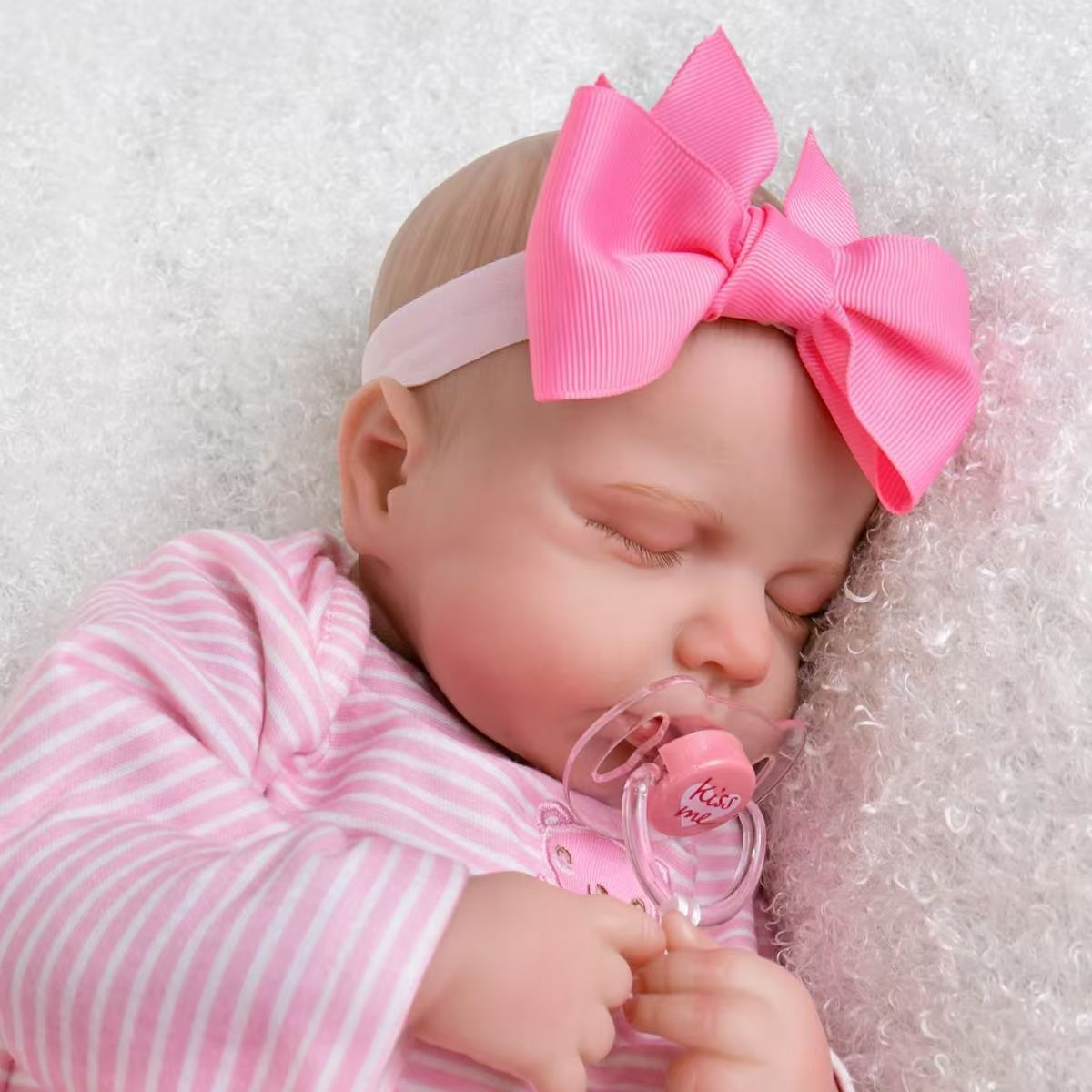
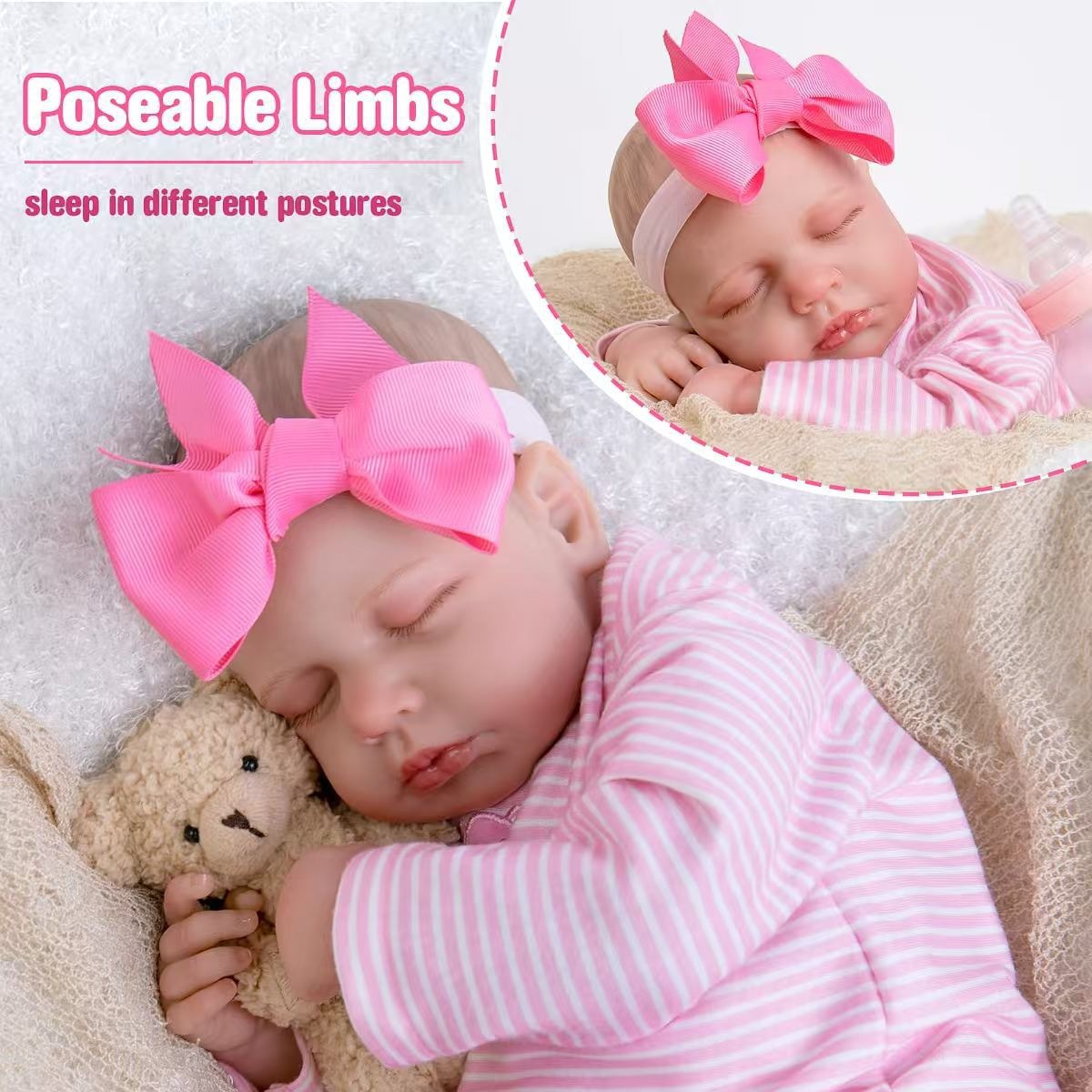
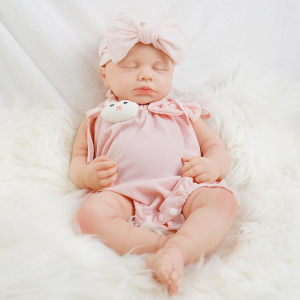
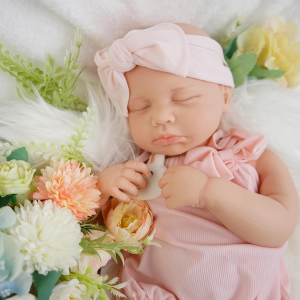
Reborn dolls are lifelike baby dolls designed to closely resemble real infants. In professional settings, these dolls fall into two main types: standard artistic models and therapy-specific designs. Standard artistic reborn dolls focus on intricate, realistic details, often handcrafted for collectors. In contrast, therapy-specific reborn dolls prioritize functionality and safety, using medical-grade materials and simplified features to suit institutional environments such as nursing homes or therapy centers.
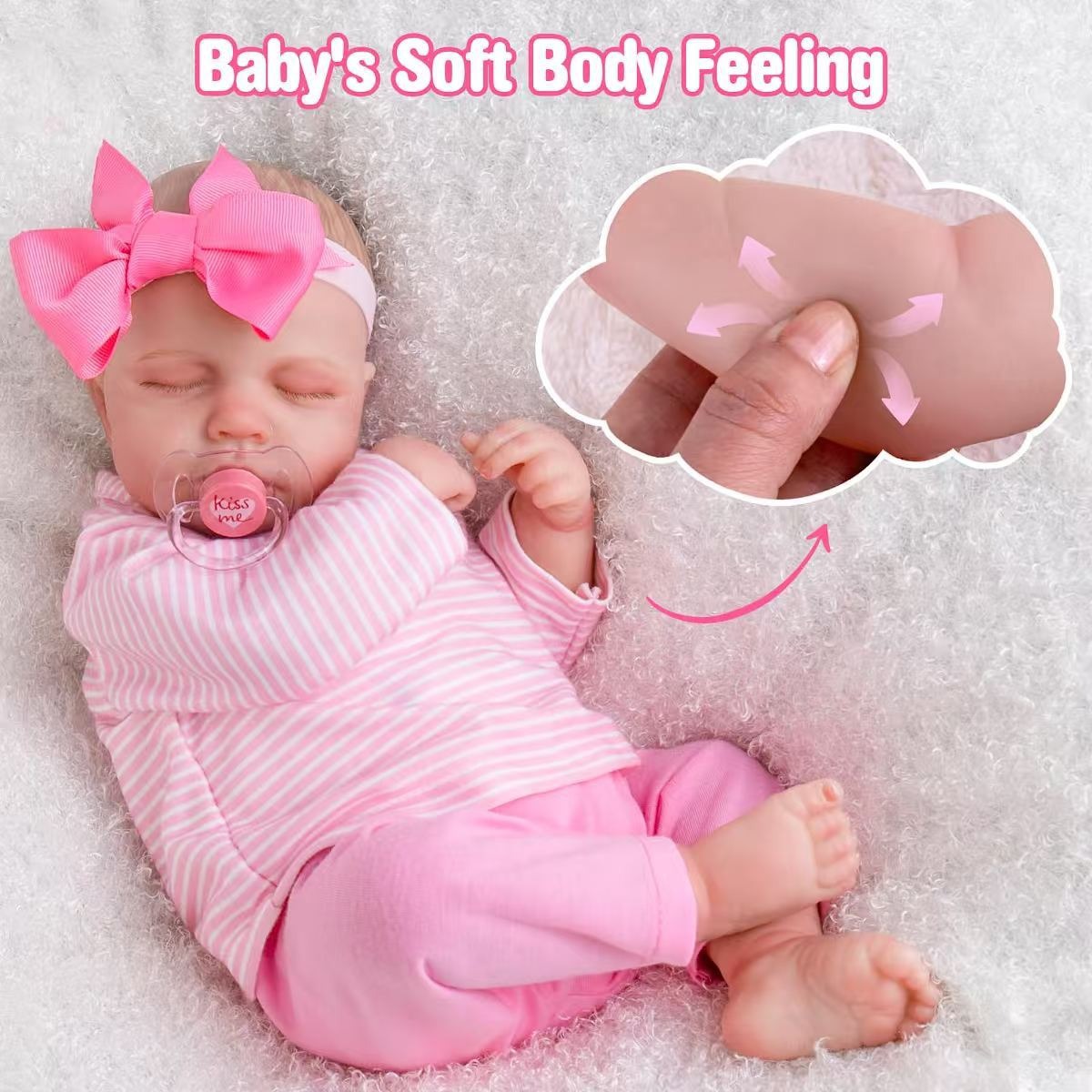
Unlike traditional baby dolls or medical manikins, therapy dolls offer a unique blend of realism and ease of use. Traditional dolls may lack the weighted, soft feel necessary to provide comfort, while medical manikins are often designed for advanced medical training rather than emotional support or basic caregiving practice. Reborn dolls bridge this gap, making them suitable for non-pharmacological dementia interventions, grief counseling, and other therapeutic uses.
Manufacturers like the Sueban Group specialize in creating customizable, scalable reborn dolls tailored for professional and institutional needs. Their offerings include weighted baby dolls designed specifically for seniors, durable materials compliant with ASTM safety standards, and options that support bulk ordering for facilities. This level of customization ensures organizations can integrate realistic dolls that meet both care and training requirements effectively.
Primary Applications in Institutional Settings
Reborn dolls have become valuable tools across various institutional settings, especially where emotional support and therapeutic engagement are crucial. In dementia and Alzheimer’s care, these lifelike baby dolls help reduce agitation, boost mood, and encourage social interaction among residents in nursing homes. Known as doll therapy, this approach offers a non-pharmacological option that enhances well-being and calms distress.
In grief and bereavement support, custom therapy reborn dolls provide comfort to individuals processing loss, including those dealing with infant bereavement. Holding and caring for these realistic dolls can offer emotional solace during difficult times.
Mental health programs also benefit, where reborn dolls help reduce anxiety, alleviate loneliness, and offer emotional companionship in therapy centers. They serve as gentle tools for connection and grounding in otherwise isolating conditions.
Hospice and palliative care settings find reborn dolls useful in providing patients with a sense of purpose and calm, helping ease emotional challenges at the end of life.
For institutions interested in these benefits, manufacturers like the Sueban Group supply therapy dolls nursing homes trust for their quality and realism, supporting a range of care needs. To explore options suitable for these settings, see the selection of customizable reborn dolls for institutional use.
 .
.  .
. 
Use in Professional Training and Education
Reborn dolls are increasingly used in professional training and education, especially in nursing and midwifery programs. They help students practice essential skills like basic infant care, gentle handling, and proper positioning. While these lifelike baby dolls provide a realistic experience, they do have limitations when compared to specialized medical manikins designed for advanced procedures.
In parent education and prenatal classes, reborn dolls serve as effective tools for demonstrating newborn care techniques such as diapering, swaddling, and bathing. Their realistic appearance and weighted bodies help expectant parents gain confidence before their baby arrives.
Outside healthcare, reborn dolls are widely used in film, photography, and media production as authentic stand-ins for infants. Their lifelike features and customizable options make them ideal for scenes where working with real babies isn’t feasible.
However, it’s important to note that reborn dolls are not suitable for advanced medical training that involves procedures like IV insertion, resuscitation, or airway management. For these purposes, medical-grade manikins remain the preferred choice.
For professionals seeking realistic dolls for training or demonstration, manufacturers like Sueban Group offer customizable, high-quality reborn dolls tailored to institutional needs. Check out their collection of soft silicone reborn baby dolls designed specifically for professional use.
Evidence-Based Benefits
Reborn dolls offer notable therapeutic outcomes, especially in settings like dementia and Alzheimer’s care. Studies show they help decrease behavioral symptoms, boost social engagement, and improve overall well-being. These benefits make them a valuable tool in doll therapy programs, supporting emotional comfort without medication.
Non-Pharmacological Advantages
- Cost-effective: They provide an affordable supplement to traditional treatments.
- Safe: No side effects compared to pharmaceuticals.
- Easy integration: Can be incorporated easily in daily care routines.
Institutional Feedback Highlights
| Benefit | Description | Feedback Example |
|---|---|---|
| Reduced agitation | Calms patients during restless episodes | Nursing homes report fewer incidents |
| Enhanced mood | Lifts spirits, providing emotional comfort | Therapy centers note improved interactions |
| Increased sociability | Encourages communication with staff/peers | Better group participation observed |
| Versatility | Useful across dementia, bereavement, and mental health programs | Positive staff testimonials |
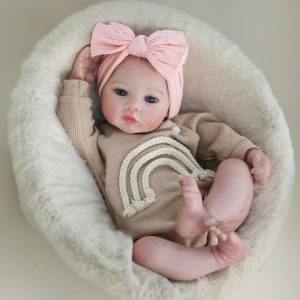
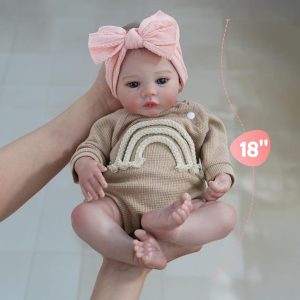
Many institutions have successfully integrated custom therapy reborn dolls to achieve these results. For supplies designed specifically for such needs, companies like Sueban Group offer a range of therapy dolls for nursing homes that meet these criteria and support measurable improvements.
For a deeper look into therapeutic reborn dolls designed for dementia and grief care, check out Sueban Group’s comprehensive range of therapeutic reborn dolls for dementia and grief markets offering options tailored for professional use.
 .
.  .
. 
Considerations and Potential Limitations
When using reborn dolls in professional or institutional settings, it’s important to follow ethical guidelines. These dolls should be introduced respectfully and with professional supervision to avoid infantilizing adults, especially in dementia or mental health care. Proper context ensures that the dolls serve as emotional support tools rather than simple toys.
Safety and quality are also critical. Look for reborn dolls that meet ASTM compliance and are made from durable materials suitable for frequent handling. This is essential to maintain hygiene and longevity when used regularly in nursing homes or therapy programs.
However, reborn dolls are not ideal for every situation. They should not replace high-intensity medical training manikins for procedures like IV insertion or resuscitation. They’re also not suitable for unsupervised children’s play due to delicate features and specialized designs.
There are some common misconceptions worth addressing:
- Misunderstanding therapy dolls as just toys: These dolls have proven therapeutic benefits, such as reducing agitation in dementia care.
- Concerns about infantilization: When used ethically, reborn dolls enhance emotional connection without diminishing dignity.
- Doubts about durability: Choosing quality, medical-grade dolls from trusted institutional suppliers ensures they withstand regular use.
For institutions seeking reliable and customizable options, brands like Sueban Group offer high-quality, realistic dolls tailored for therapy and professional use, aligning with safety standards and ethical care practices. Check out their custom reborn doll collection for suitable therapy dolls designed for institutional needs.
Choosing Reborn Dolls for Professional or Institutional Use
When selecting reborn dolls for professional training or institutional settings, focus on key features that enhance realism and practicality. Prioritize weighted baby dolls that mimic the feel and weight of a real infant, making them more effective for therapy or training. Materials should be easy to clean and durable to withstand frequent handling, especially in nursing homes or therapy centers. Customization options, such as medical-grade silicone or simplified features, help tailor dolls for specific needs like dementia care or bereavement support.
For larger institutions, bulk ordering through reliable suppliers like the Sueban Group ensures access to consistent quality and customizable designs. Their range includes options suitable for therapy and professional use, as outlined in their wholesale reborn dolls with drink and wet systems and 13-inch 3D painted solid silicone baby dolls.
To get the most from these reborn dolls in your institution:
- Provide staff training to ensure proper handling and integration into care or educational protocols.
- Develop clear guidelines on when and how to use the dolls, respecting ethical considerations and maximizing benefits.
- Regularly review feedback to adjust doll use in therapy, training, or grief counseling settings.
By focusing on these factors, institutions can effectively incorporate reborn dolls as valuable tools for emotional support and practical education.