
Reborn Doll Wholesale Pricing: A Complete Guide for B2B Buyers
When sourcing reborn baby dolls for your business, the wholesale price is only one part of the decision. Material, size, finishing methods, packaging, and order quantity all affect the final cost. Even two dolls of similar size can have very different prices when their specifications and production requirements differ.
For retailers, distributors, and brands, understanding these cost factors makes it easier to compare suppliers, protect profit margins, and avoid unexpected expenses after placing an order.
Whether you are considering a vinyl reborn doll for an accessible retail price point or silicone reborn baby dolls for a premium product range, the first step is to compare products with equivalent specifications. Working with a reliable Reborn Doll Factory can also help you clarify customization options, production requirements, and quality expectations before committing to a bulk order.
Compare products with the same materials, size, and finishing requirements.
Request a clear breakdown of product, tooling, packaging, and shipping costs.
Calculate the total landed cost instead of comparing unit prices alone.
What Actually Drives Reborn Doll Wholesale Prices
Reborn doll wholesale prices vary widely depending on the product specification and supplier. Material, size, body construction, hair application, painting, and assembly all contribute to the final quotation.
A useful quote should clearly describe the product you will receive. Without that information, a lower price may simply reflect a different specification rather than a better deal.
The Five Cost Centres in Every Quote
Body, limbs, and head — Vinyl and platinum-cure silicone have different material costs and production processes. The doll’s size and construction also affect material use.
Weighting and stuffing — Cloth-body dolls may use filling materials and weighting beads to create a more realistic feel. The amount of material and the labor required depend on the design.
Hair — Hair may be hand-rooted, attached as a wig, molded into the head, or painted onto the surface. Each method creates a different appearance and requires a different amount of labor.
Painting — Skin tones, blushing, veining, nail details, and other finishing effects influence production time and the final appearance.
Assembly and packaging — Assembly, seam finishing, clothing, accessories, labels, protective inserts, and retail boxes all contribute to the finished product cost.
Lower-priced dolls may use simpler finishing methods, such as painted hair instead of rooted hair or fewer paint details. These choices are not automatically a problem, but they should match the quality level your customers expect.
Why Two Similar Dolls Can Have Very Different Prices
Consider two reborn baby dolls of a similar size. One may have a vinyl head and limbs, a cloth body, and painted hair. The other may feature full-body silicone construction, detailed hand painting, and more time-intensive finishing.
Although their dimensions may be similar, their material requirements and production processes can be very different.
Tooling can also affect the price. When a supplier uses an existing mold, the initial development cost may already have been covered. A new design, however, may require 3D development, mold-making, and prototype approval before bulk production can begin.
The key is to compare the specifications behind the quote rather than judging the price by doll size alone.
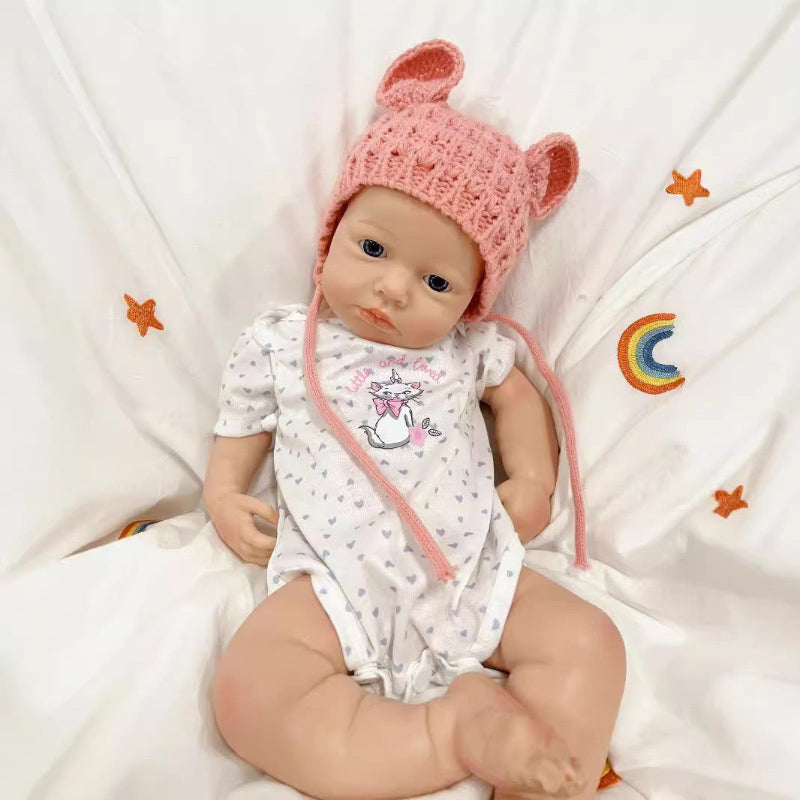
How Much Are Reborn Dolls Wholesale at Different Tiers?
Reborn dolls can be grouped into broad price tiers, from entry-level vinyl products to premium silicone designs. These categories are useful for initial planning, but they are not fixed industry price bands.
Actual wholesale prices depend on the supplier, order quantity, doll size, materials, finishing details, accessories, and customization requirements.
Entry-Level Vinyl and Small-Size Dolls
Small vinyl reborn baby dolls are often suitable for retailers looking for an accessible price point. Depending on the model, they may feature molded or painted hair, simpler painting, and a cloth body.
These products can work well for gift shops, online retailers, and businesses targeting customers who want a realistic-looking doll at a lower retail price.
When comparing entry-level products, check the finished appearance, material quality, included accessories, and packaging. A lower unit price is useful only when the product meets your market’s expectations.
Mid-Tier: Rooted Hair, Better Weighting, and Cloth Body
Mid-tier vinyl reborn dolls may include hand-rooted hair, more detailed painting, weighted cloth bodies, and carefully selected clothing and accessories.
These features generally require additional materials or labor. Hair density, painting complexity, and the amount of hand-finishing can all affect the final quote.
For B2B buyers, this category can offer a balance between product realism and retail affordability. The best specification depends on your target customers and the retail price you plan to achieve.
Full Silicone and High-Realism Pieces
Silicone reborn baby dolls generally cost more than comparable vinyl dolls because of material requirements, mold processes, production time, and finishing work.
The final cost also depends on the doll’s size, construction, skin tone, facial details, and included accessories. Silicone products may require careful inspection because certain casting defects can be difficult to repair.
Before placing a bulk order, ask the supplier to confirm the material, construction, finishing level, and quality-control process. For larger orders, discuss how defective units will be handled and whether replacement or other remedies are available under the purchase agreement.
Tip: Match the product specification first. If one quote is much lower than the others, check whether the material, hair method, paint details, accessories, and packaging are genuinely comparable.
Vinyl or Silicone: Which Material Fits Your Margin?
Vinyl and silicone serve different market needs. Vinyl is often more budget-friendly, while full-body silicone is commonly chosen for its soft feel and realistic appearance.
The right choice depends on your customers, retail positioning, expected selling price, and acceptable product cost. Realism matters, but it should be considered alongside durability, handling, packaging, and the overall buying experience.
Vinyl: Cost Advantages and Limitations
Vinyl reborn dolls typically use molded vinyl heads and limbs, often combined with a cloth body. Established molds can help make repeat production more economical, especially when the same design is ordered regularly.
However, material alone does not determine the final appearance. Painting, hair application, seam finishing, and assembly all affect the product’s perceived quality.
Vinyl can be a practical choice for retailers who need a wider product range or a more accessible wholesale price. When comparing suppliers, check the finish around the neck and limb joints, the consistency of the painting, and the quality of the included clothing.
Silicone: Where the Premium Comes From
Platinum-cure silicone is commonly used for premium reborn dolls. Its material cost, casting process, curing requirements, and handling can make production more demanding than that of many vinyl designs.
The final price also depends on whether the doll is full-body silicone or combines silicone parts with another body construction. These products should not be treated as identical when comparing quotations.
Silicone may suit brands and retailers whose customers place a high value on tactile realism and detailed finishing. However, a higher wholesale price does not guarantee better quality. The actual material, construction, sample quality, and production consistency still need to be checked.
Tip: If a supplier offers the same or similar design in different materials, request comparable specifications. This helps you understand what the material upgrade changes and whether the difference fits your target retail price.
What Else Changes Reborn Dolls Wholesale Cost?
Beyond the doll’s materials and finishing, four factors can significantly affect the total purchasing cost: order quantity, customization, packaging, and shipping terms.
These details should be clarified before you compare quotations or calculate your expected profit margin.
MOQ, Volume Breaks, and Tooling Amortisation
Molds, setup work, and product development may need to be covered by a relatively small first order. When these costs are spread across more units, the allocated cost per doll can decrease.
However, increasing the quantity does not automatically reduce the unit price by the same proportion. Material costs, hand-finishing time, labor requirements, and other variable expenses remain.
Ask for quotations at the supplier’s minimum order quantity, a larger quantity you could realistically purchase, and a possible repeat-order volume. This makes it easier to understand the pricing structure.
Also, confirm whether the MOQ applies per design, per material, or to the total order. Some suppliers may allow mixed styles within an agreed quantity, while custom designs often require a higher commitment.
OEM/ODM and Private Label Uplift
Custom development and branding can increase both upfront costs and lead time. The amount depends on how much of the product needs to change.
A new sculpt may require 3D design, mold-making, sampling, and approval before production. These development expenses should be separated from the cost of manufacturing each finished doll.
By contrast, using an existing model with a different outfit, paint scheme, label, or packaging may require less development work.
When requesting an OEM or ODM quotation, ask the supplier to separate one-time development costs from recurring unit costs. Also clarify ownership and permitted use of custom designs, molds, and artwork in the written agreement.
Packaging, Freight, and Incoterms
Packaging affects both product presentation and transportation costs. Gift boxes, inserts, labels, and protective materials may increase the unit price, while a doll’s dimensions and packed weight can affect freight charges.
For delicate or hand-finished products, packaging should protect the doll during handling and transportation. The right packaging depends on the product, shipping method, and destination.
FOB, CIF, and DDP quotations are not directly comparable:
FOB: The seller’s responsibilities cover delivery and loading onto the vessel at the agreed port under the applicable Incoterms rules. The buyer generally arranges the main carriage and destination import formalities.
CIF: The seller pays the cost of carriage and insurance to the named destination port, but risk transfers under the applicable rules when the goods are loaded on board at the port of shipment.
DDP: The seller takes responsibility for delivery to the named destination and import clearance, including applicable duties and taxes, subject to the agreed delivery terms and local requirements.
Always confirm the named place or port, the Incoterms version, and which charges are included. For a fair comparison, calculate the cost of getting the goods to the same destination under equivalent assumptions.
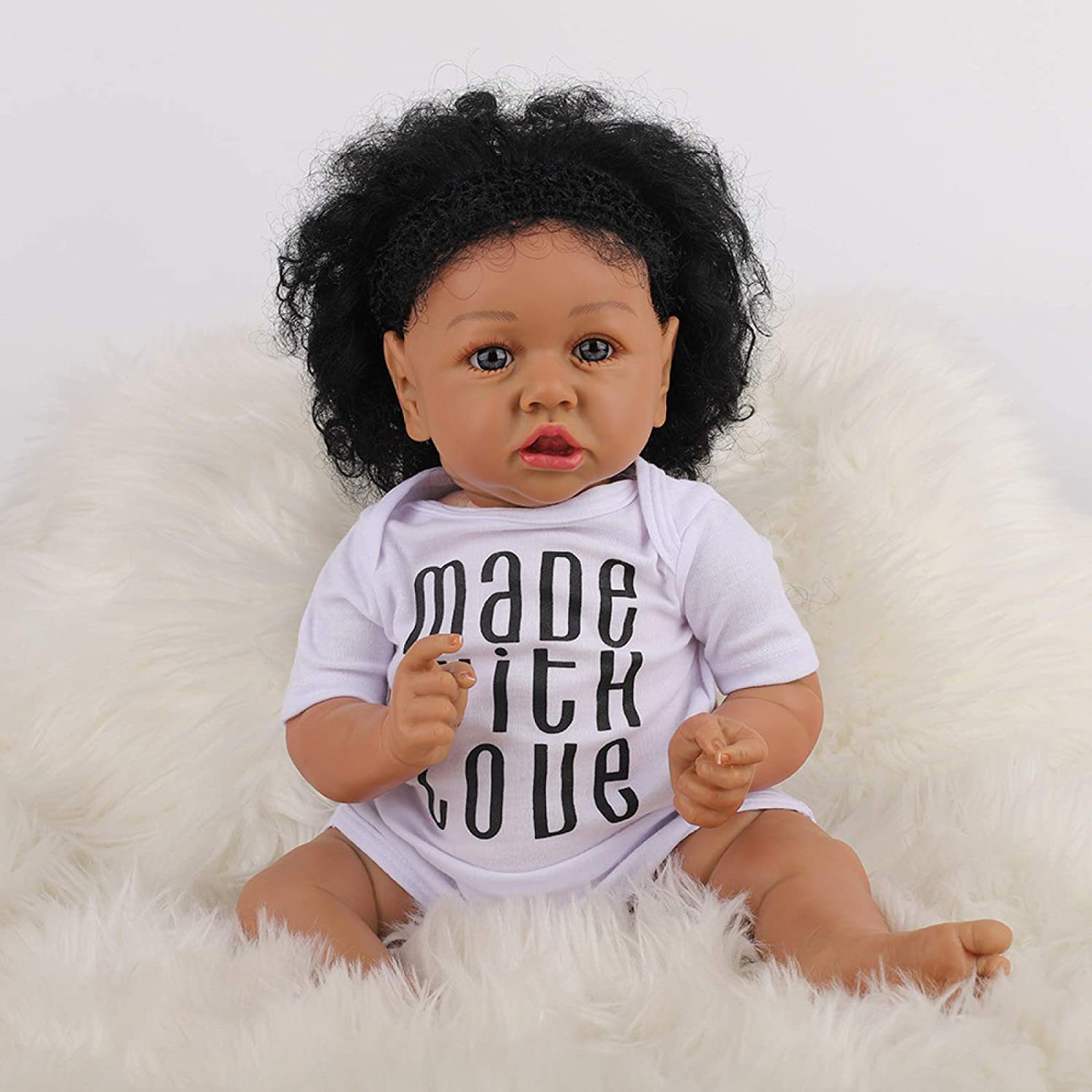
Is Cheap Reborn Dolls Wholesale a False Economy?
Not necessarily. A low wholesale price can be a good opportunity when the product meets your requirements and the supplier can deliver consistent quality.
Problems arise when a low quote reflects important differences in materials, finishing, quality control, or packaging that were not made clear in advance.
For B2B buyers, the goal is to understand the relationship between product cost, expected selling price, and the potential cost of defects or returns.
Where Cost-Cutting Shows Up in the Product
Weighting: Different filling amounts or methods can change the doll’s weight and feel. Ask for the expected weight if it matters to your product positioning.
Material and construction: Material type, thickness, and joint design affect the finished product. Confirm these details rather than relying on a general description such as “silicone” or “vinyl.”
Hair: Painted, molded, wig-based, and hand-rooted hair create different looks. Make sure the quoted method matches your expectations.
Seam finishing: Visible mold lines or poorly finished joints can affect the appearance of vinyl dolls. Inspect these areas on the sample.
Packaging: Inadequate protection can increase the risk of transit damage. Confirm the actual packaging method and whether it is included in the quote.
Tip: Order and inspect a sample before committing to a large quantity. Review it under normal lighting, check the details your customers will notice, and confirm that it matches the agreed specification.
Setting a Defect and Return Tolerance
Before production, agree on a quality-control process in writing. The agreement should identify the inspection method, defect categories, sampling plan, and remedies if the goods fail to meet the agreed requirements.
Hand-finished products can show some variation, so the acceptable level of variation should be defined according to the product and its intended market.
An AQL sampling plan may be suitable for certain bulk inspections, but the inspection level and acceptance criteria should be agreed in advance. Critical safety or functional defects may require specific requirements rather than relying on a general sampling threshold alone.
Which Certifications Should a Reborn Doll Factory Hold?
The documents you need depend on the product, its intended users, and the destination market. A factory’s general business credentials do not, by themselves, demonstrate that every product meets the applicable safety requirements.
Ask suppliers what documentation is available for the specific model and materials you plan to purchase. Confirm whether the documents apply to the product, production facility, and market concerned.
Toy Safety and Material Declarations
In the United States, toys and children’s products may be subject to requirements under the Consumer Product Safety Improvement Act (CPSIA), applicable provisions of ASTM F963, and relevant testing and certification obligations. The exact requirements depend on the product and its intended use.
In the European Union, toys placed on the market must meet applicable toy-safety requirements. EN 71 includes standards addressing mechanical and physical properties, flammability, and the migration of certain elements. The applicable conformity assessment and documentation should be confirmed for the specific product.
Material requirements can also apply to vinyl, paints, coatings, and other components. Ask for relevant test reports and verify that they cover the materials, colors, and product configuration you intend to buy.
Do not assume that a report for one model automatically covers another model or a changed material. Likewise, do not assume that a label such as “adult collectible” automatically exempts a product from toy-safety obligations. Classification depends on the applicable rules, intended use, marketing, and other relevant factors.
If you plan to sell in multiple countries, confirm the requirements for each destination before production and packaging are finalized.
How to Request a Bulk Reborn Dolls Trade Price RFQ?
A clear request for quotation (RFQ) helps suppliers provide more accurate and comparable prices. It also reduces unnecessary back-and-forth during product selection and order planning.
Whenever possible, send the same specifications and quantity requirements to each candidate supplier.
What to Put in the RFQ
Sculpt or size: Provide the model reference, finished length, and any important proportions.
Material and body type: Specify vinyl with a cloth body, full-body silicone, or another construction. Clarify any required joint or movement features.
Hair method: State whether you prefer hand-rooted hair, a wig, painted hair, or molded hair.
Paint level: Describe the desired skin tone, blushing, veining, nail details, and other finishing requirements.
Outfit and packaging: List clothing, accessories, retail box requirements, inserts, labels, and carton preferences.
Quantity and repeat frequency: State the initial quantity and, if known, your expected reorder pattern.
Destination and shipping window: Provide the destination country or postcode, preferred shipping method, and target delivery schedule.
Compliance requirements: Identify the intended market and ask which relevant test reports or conformity documents are available.
Comparing Quotes Line by Line
Ask each supplier to separate unit price, tooling, sampling, customization, packaging, and shipping costs wherever applicable.
Compare quotations using the same product specification, quantity, destination, and shipping terms. If one supplier quotes a basic vinyl model while another quotes a more detailed silicone model, the figures do not represent equivalent products.
Before placing an order, also confirm payment terms, quote validity, production lead time, inspection arrangements, and how defects will be handled.
Sampling, Lead Time, and Payment Terms
A sample helps you evaluate the product before committing to bulk production. It can also serve as a reference for the approved appearance and finishing details.
Sampling fees and lead times vary according to the model, material, availability, and customization requirements. Ask the supplier to confirm these details before making a decision.
Sample Approval and Pre-Production Sign-Off
State in writing what the sample needs to demonstrate before you approve it.
Colour: Confirm the expected skin tone and visible painting details under normal lighting.
Weighting: If weight is important, agree on a target weight and an acceptable tolerance.
Hair: Check the hair method, density, attachment, and overall appearance against your requirements.
Packaging: Review the actual packaging or a clearly specified approved packaging sample, rather than assuming that a product photo shows the final pack.
Accessories: Confirm the clothing, bottle, pacifier, adoption or birth certificate card, and other items included in the agreed package.
Keep a record of the approved sample and its specifications. Where practical, retain a reference sample or detailed approval record so both sides can assess the bulk production against the same requirements.
Deposit, Balance, and Inspection-Linked Release
Payment terms vary by supplier, order size, and project type. A deposit followed by a balance payment before shipment is one possible arrangement, but the exact percentages and payment triggers should be negotiated and written into the contract or pro forma invoice.
For a first order, clarify when production begins, when the balance becomes due, and what documents or inspection results will be provided before shipment. If payment is linked to inspection, specify the inspection standard, process, and remedy for failed results.
For larger transactions, a letter of credit may be worth considering, although it can involve additional bank fees and documentation. Whether it is practical depends on the transaction size and the parties’ banking arrangements.
Pay the company named in the contract or invoice through an agreed business payment channel. If the beneficiary account differs from the contracting entity, verify the reason independently before transferring funds.
Quote Validity, Currency, and Cost Clauses
Ask how long the quotation remains valid. The validity period should be stated clearly, particularly when material prices, freight costs, or production schedules may change before the order is confirmed.
If production will take place well after the quote date, agree in advance how any price changes will be handled. Avoid vague terms that allow one side to change the price without a clear basis or written agreement.
When quotations use different currencies, confirm the currency for payment and who bears any exchange-rate or transfer fees. Comparing prices in a common currency can make the differences easier to understand.
Lead Time: What the Calendar Reveals
Reborn doll production lead time depends on the product, order quantity, material, finishing method, customization, and current factory schedule.
Existing models may require less preparation than new designs. Dolls with detailed hand-rooted hair or custom painting may also take longer than products with simpler finishes.
Ask suppliers to break the schedule into sample development, sample approval, bulk production, inspection, and shipping. This helps you distinguish manufacturing time from transportation time.
Realistic Benchmarks at Each Stage
Sampling: The time required depends on whether the supplier is preparing an existing model or developing a new design. Custom sculpting and mold-making usually require additional time.
Bulk production: Lead time varies with order size, model complexity, material, and available capacity. Ask for a schedule based on your actual order rather than relying on a general industry estimate.
Pre-shipment inspection and booking: Allow time for inspection, corrections if needed, documentation, and transportation booking.
Freight: Air and sea freight have different costs and transit times. The actual schedule depends on the route, carrier, customs clearance, and final delivery arrangements.
Confirm whether the quoted lead time refers to working days or calendar days, and whether it starts from deposit receipt, specification confirmation, or sample approval.
Seasonal Capacity and Holiday Shutdowns
Production schedules can change during major holidays and peak retail seasons. Factories may have reduced capacity before and after holiday shutdowns, while busy periods can limit available production slots.
If your order is linked to a product launch or seasonal sales period, discuss the production calendar early. Ask the supplier to confirm the expected start date, completion date, and any known shutdowns that could affect delivery.
Tip: Request a production schedule alongside the quotation. A schedule with clear milestones is more useful than a single delivery estimate without supporting details.
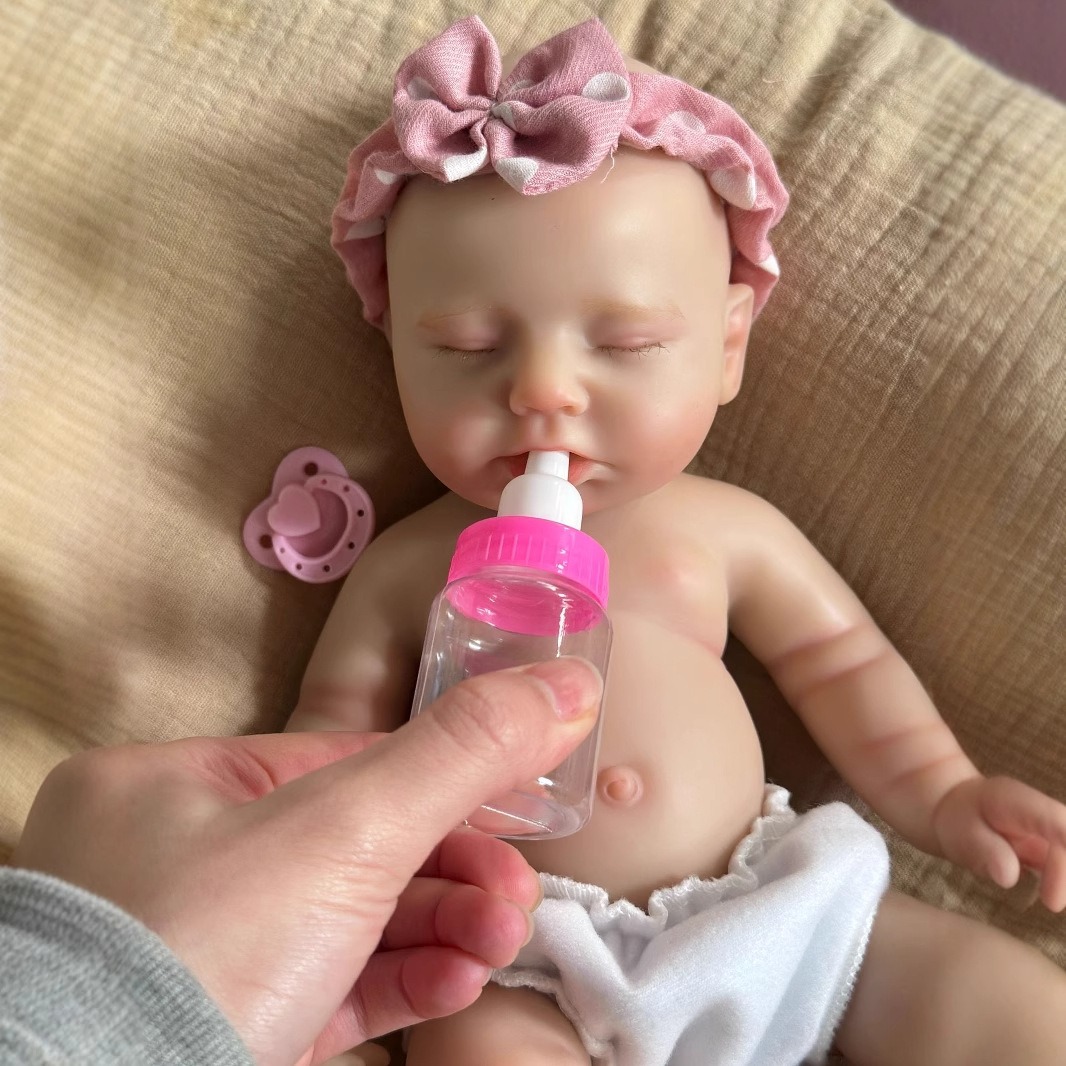
Quality Control: Building Inspection Into the Order
Quality control is easier to manage when expectations are agreed before production starts. The purchase agreement should identify what will be inspected, how defects will be classified, and what happens if the goods do not meet the agreed specification.
For hand-finished reborn dolls, quality checks should cover both appearance and construction.
Defect Classes That Matter on a Hand-Finished Doll
Critical: Safety-related issues or serious functional failures, such as detached components or exposed filling that creates a safety concern.
Major: Defects that significantly affect the product’s appearance, function, or intended use, such as substantial paint inconsistencies, serious hair-attachment problems, or weight outside an agreed tolerance.
Minor: Small cosmetic differences that do not materially affect the product’s function or overall appearance, such as a loose thread or minor packaging marks.
The exact categories should be tailored to the product and documented before inspection. A defect that is minor for one market or product may be unacceptable for another.
An AQL-based inspection may help assess a bulk shipment when the parties agree on the sampling plan and acceptance criteria. It should not replace clear product specifications or any separate safety requirements.
For weighted cloth-body dolls, specify the expected weight and acceptable tolerance if these are important to the product. Confirm that the weighting material is contained securely and that the construction meets the agreed quality requirements.
What Third-Party Inspection Actually Costs
Third-party inspection costs depend on the inspection company, location, scope, duration, travel, and reporting requirements. Obtain a current quotation rather than assuming a fixed inspection fee.
For larger orders, the inspection cost per unit may be relatively small when spread across the shipment. However, the value of inspection depends on the risks it is intended to manage and the quality criteria agreed in advance.
Ask the inspector to select units according to the agreed sampling plan and inspect representative cartons from the production run. For products where weight consistency matters, include weight checks alongside visual inspection.
Inspection can reduce uncertainty, but it cannot guarantee that every unit will be defect-free. The inspection report and the purchase agreement should make the scope and limitations clear.
Working Out Your Landed Cost Per Unit
The wholesale unit price is only one part of your total purchasing cost. To understand the actual cost of bringing a reborn doll into your market, include the other expenses associated with the order.
A practical calculation is:
Landed cost per unit = product cost per unit + allocated tooling and development costs + packaging costs + freight and insurance per unit + applicable duties and taxes per unit + inspection costs per unit + expected defect or return allowance per unit.
Some costs may already be included in the supplier’s quotation, so avoid counting them twice. Also distinguish between import costs that form part of the landed cost and other business expenses, such as storage, marketing, platform fees, and domestic fulfillment.
An Illustrative Run
Consider an example order of 500 dolls with the following assumed costs:
Product price: USD 22 per unit under the agreed FOB terms
Tooling: USD 800 in total
Packaging: USD 1.20 per unit
Freight and insurance: USD 1,450 for the shipment
Inspection: USD 300
Defect allowance: an illustrative 3% of the goods value
Import duty: an assumed 4.7% rate for calculation purposes only
Using these assumptions, the approximate cost components per unit are:
Product: USD 22.00
Tooling allocation: USD 1.60
Packaging: USD 1.20
Freight and insurance: USD 2.90
Inspection: USD 0.60
Illustrative defect allowance: USD 0.66
If duty were calculated at the assumed 4.7% on a customs value of USD 24.90 per unit, it would add approximately USD 1.17 per unit. The resulting illustrative total would be about USD 30.13 per unit, before any additional applicable taxes or costs not listed above.
This example is intended to demonstrate the calculation method, not to provide a universal duty rate or a guaranteed landed cost.
Actual duty depends on the destination, product classification, customs valuation, and applicable rules. Confirm the relevant HS classification and duty rate with a customs broker or the appropriate customs authority before setting your retail price.
Positioning Changes Your Compliance Cost
A reborn doll’s intended use and marketing can affect the regulatory requirements that apply to it. Products marketed to children may face different requirements from products genuinely intended for adult collectors.
However, an adult-collectible label does not automatically remove toy-safety obligations. The applicable classification depends on the destination market, product characteristics, intended users, marketing, packaging, and relevant legal requirements.
Before finalizing product artwork, packaging, age labels, and sales materials, determine how the product will be positioned and which rules apply. If you plan to sell the same model through different channels, check whether each sales approach changes the compliance assessment.
Planning for compliance early can help reduce the risk of unexpected testing, packaging changes, or delays after production.
Negotiation Levers That Don’t Touch Quality
A good negotiation focuses on costs that can be adjusted without undermining the product specification. Rather than asking only for a lower unit price, identify which changes would reduce costs while preserving the features your customers value.
Where Suppliers Have Room
Order consolidation: Combining quantities across suitable styles or accessories may improve production efficiency, depending on the supplier’s MOQ rules.
Longer delivery window: Flexible delivery dates may give the supplier more production options. Ask whether a less urgent schedule would affect the quotation.
Simplified packaging: A standard box or simpler insert may reduce packaging costs while still protecting the product.
Repeat commitment: A realistic forecast or planned repeat orders may help a supplier plan materials and production capacity. Any pricing benefit should be agreed rather than assumed.
Payment terms: Payment arrangements may affect a supplier’s working capital requirements. Discuss the available terms and their implications instead of assuming that a larger deposit will automatically lead to a discount.
Where Not to Squeeze
Be cautious about reducing the product features that define the quality level you intend to sell. Hair method, painting details, material specification, construction, and weighting can all affect the finished doll.
If a supplier proposes a lower-cost alternative, ask exactly what will change and request a revised specification. You can then decide whether the trade-off makes sense for your market.
The aim is not to buy the most expensive doll. It is to buy a doll whose quality, wholesale price, and expected retail positioning work together.
Red Flags in a Reborn Doll Wholesale Quote
A low price or an unfamiliar supplier is not automatically a warning sign. However, unclear specifications and inconsistent business information deserve closer attention before you commit funds.
Watch for these common red flags:
One price for every tier. If dolls with different materials, hair methods, sizes, and finishing requirements receive identical quotations, ask for a detailed specification and cost breakdown.
Specification by photo only. A product image is useful for reference, but it does not define material, dimensions, weight, accessories, or acceptable variation. Put the important requirements in writing.
Test reports that do not match the product. Check whether the documentation applies to the relevant model, materials, and intended market. Do not assume that a report for one product covers every product from the same supplier.
No reasonable way to verify the supplier. Ask for consistent company details and, where appropriate, a video meeting, production evidence, or a factory visit. Verify information before making a substantial payment.
Stock imagery presented as production evidence. Ask for current product photos or videos and clarify whether the images show the exact model, a similar model, or a reference design.
Pressure to skip the sample. If product appearance and finishing matter to your business, ask why a sample is unavailable and what alternative verification is offered. Do not approve a large order without understanding the risks.
Unclear payment beneficiary. Verify any difference between the company named in the agreement and the recipient account before transferring money.
Final Checklist: Before You Place a Reborn Doll Wholesale Order
Before confirming a supplier, review the following points:
The material, size, body construction, hair method, and finishing requirements are clearly specified.
The quotation states the unit price, order quantity, MOQ, and any tooling or customization costs.
Packaging, accessories, shipping terms, and destination charges are clearly explained.
The sample has been reviewed against your product requirements.
Production lead time and key milestones are confirmed in writing.
Payment terms and the beneficiary account have been verified.
Quality-control criteria and remedies for non-conforming goods are agreed.
Applicable product safety and import requirements have been checked for the destination market.
The estimated landed cost supports your planned retail price
A reliable reborn doll supplier should be able to explain the product specification, quotation, production schedule, and available quality documentation clearly. Comparing these details helps you choose a supplier based on the overall value of the product, not just the lowest initial price.
Looking for a Reborn Doll Wholesale or OEM/ODM Partner?
If you are sourcing reborn dolls for a retail business, online store, distribution network, or private-label brand, start by defining your target market, preferred materials, product sizes, and expected order quantity.
Sueban Group works with B2B buyers on existing reborn doll models and customization projects. Depending on the product and requirements, available options may include vinyl or silicone dolls, different finishing details, clothing and accessories, and branded packaging.
Share your product requirements and destination market to help us identify suitable models and prepare a quotation for your project.
Contact Sueban Group to discuss your reborn doll wholesale, OEM, or ODM requirements.

Owen is the second-generation founder of Sueban Group, a reborn doll manufacturer based in Guangdong, China. With over 20 years of family manufacturing heritage, Owen leads the company's B2B operations serving wholesalers, brands, and institutional buyers across 20+ countries.
Meet Owen →
 English
 Deutsch
 Français
 Español
 Italiano
 Nederlands