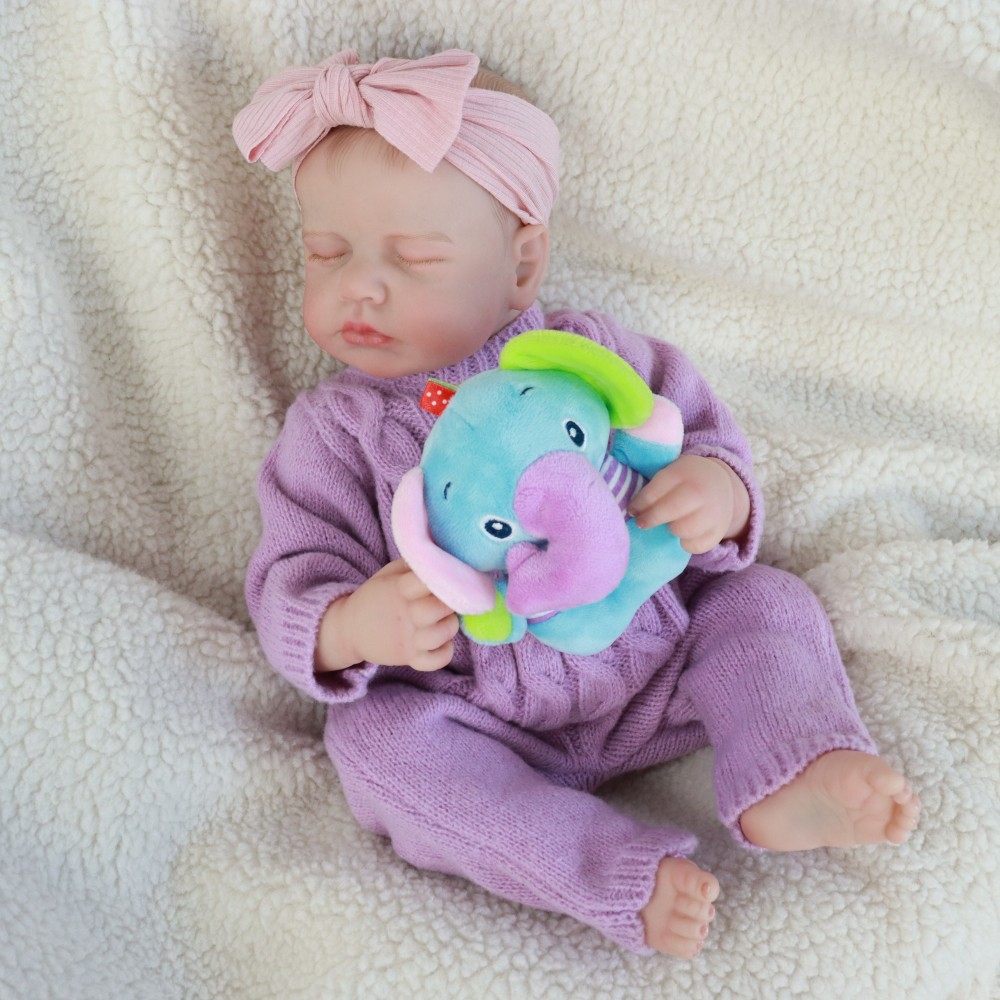
If you’ve owned a silicone reborn doll for a while, you may have noticed something unsettling…
The skin that once looked soft, translucent, and baby‑real starts to look a bit flat, a little more plastic, maybe even slightly yellowed or chalky. Colors fade, details blur, and that magical “is it real?” moment slowly disappears.
This isn’t your imagination—and it isn’t always your fault.
In this guide, you’ll learn why some silicone reborn dolls lose realism over time, what’s really happening to the silicone materials, and how everyday things like UV exposure, cleaning products, clothing dyes, and even temperature changes can quietly damage your doll’s skin, softness, and color depth.
You’ll also see how differences in silicone quality, pigment technology, and manufacturing standards separate dolls that stay lifelike for years from those that start degrading within months—and how brands like Sueban Group, using medical-grade, platinum-cure silicone, are engineered to resist that loss of realism far longer.
If you want your silicone baby to stay as realistic, soft, and lifelike as the day you first held it, you’re in the right place.
Not All Silicone Is Created Equal
When we talk about silicone reborn doll maintenance and long-term realism, everything starts with the material itself. Not all “silicone” is the same, and that’s exactly why some dolls stay lifelike for years while others start yellowing, getting sticky, or losing detail far too soon.
Medical-grade platinum-cure vs. industrial silicone
High-end reborn dolls are usually made from medical-grade platinum-cure silicone. This type of silicone is:
- Purified and skin-safe, designed for medical and prosthetic use
- Stable and flexible, holding its shape and softness over time
- Naturally more resistant to UV damage, oxidation, and tearing
Cheaper dolls often use industrial-grade silicone blends:
- Mixed for general molding, not long-term “skin” realism
- More impurities and unstable additives
- Faster silicone doll degradation, especially under light and heat
If a manufacturer can’t clearly state “platinum-cure” and “medical-grade,” that’s a red flag for reborn doll quality.
Fillers, cross-linking, and pigments: why stability changes
Inside the silicone “skin,” three things quietly determine how long your doll will look real:
- Filler content
- Cheap lines use heavy fillers (like chalky powders) to cut costs
- This makes the doll feel dense, look dull, and age with chalkiness, cracking, and reborn doll yellowing
- Cross-linking density
- Think of it like the “net” holding silicone together
- A strong, even network keeps the surface smooth and elastic
- Poor cross-linking leads to soft spots, sagging, and micro-tears
- Pigment integration
- High-quality dolls use pigments fully mixed into the silicone, layer by layer
- Cheap dolls often use surface-only paint that sits on top and rubs off, fades, or stains
- Poor pigment work accelerates pigment migration and loss of translucency
This is why platinum cure silicone longevity is not just a buzzword—it’s the core of long-term realism.
Why cheap reborn dolls degrade faster
Low-cost manufacturers often cut corners in ways that directly shorten a doll’s life:
- Using industrial silicone with unknown additives
- Overloading with fillers to lower material costs
- Relying on single-layer paint instead of deep, cured pigmentation
- Skipping proper curing times and quality checks
- Ignoring best practices for UV stabilizers and antioxidants
The result: dolls that yellow, get sticky, or crack far sooner, even with careful silicone reborn doll maintenance.
Sueban Group’s silicone and testing standards
At Sueban Group, we design our silicone dolls as if they were long-term prosthetics, not toys. That means we:
- Use medical-grade platinum-cure silicone as our base standard
- Strictly limit and test any fillers or modifiers to protect elasticity and clarity
- Integrate pigments within the silicone matrix, not just on the surface
- Run aging simulations for UV, temperature, and handling to monitor silicone doll oxidation and color shift
- Reject batches that don’t meet our internal realism retention benchmarks
In plain terms: we build our silicone reborn dolls to stay beautiful, stable, and realistic in real homes, not just in photos.

The Seven Primary Causes of Realism Loss in Silicone Reborn Dolls
Silicone reborn dolls don’t suddenly “go bad.” They slowly lose realism because of a few very specific things that keep attacking the material over time. If you understand these causes, you can stop most silicone reborn doll degradation before it ever shows.
1. Ultraviolet Radiation and Photo-Degradation
Direct sunlight and strong indoor UV (like from windows or some studio lights) slowly break down silicone and pigments.
You’ll often see:
- Reborn doll yellowing or uneven color
- Faded blushing and lips
- Dull, dry-looking “skin”
Even high quality, platinum-cure silicone can be affected if a doll stays in a sunny spot every day.
2. Oxidation and Environmental Exposure
Air pollution, cigarette smoke, and ozone in the air react with silicone over time. This is one of the quiet causes of silicone doll oxidation.
Common signs:
- Grayish or “dirty” cast that won’t fully wash off
- Slight tackiness on the surface
- Loss of that soft, translucent glow
Dolls kept near kitchens, garages, or smoke tend to age faster.
3. Improper Cleaning Agents and Solvents
Harsh cleaners are one of the fastest ways to ruin silicone reborn doll maintenance efforts:
- Alcohol wipes
- Acetone or nail polish remover
- Strong household cleaners
- Baby wipes with oils and fragrances
These can strip matting, pull pigment to the surface, or make the skin shiny and sticky. Only approved cleaning agents for reborn dolls should touch the silicone.
4. Clothing Dyes, Makeup, and Chemical Migration
Deep-colored clothes and some cosmetics can literally bleed into the silicone:
- Dark denim, red, navy, and black fabrics
- Cheap wigs and hats with unstable dyes
- Real makeup or body paint used on the doll
This “chemical migration” leads to stubborn stains that are very hard to remove, especially on softer, more realistic silicone.
5. Extreme Temperature Fluctuations
Silicone handles normal room temps well, but temperature effects on silicone dolls show up when:
- A doll is left in a hot car or attic
- Stored in a freezing basement or garage
- Constantly cycles from hot to cold
This can change softness, cause slight warping, and speed up internal stress in the material, especially in lower quality silicone blends.
6. Mechanical Stress and Micro-Tears
Everyday handling matters. Repeated bending and pressure can create tiny tears that destroy realism over time:
- Rough posing or pulling on limbs
- Over-flexing fingers, toes, or neck
- Tight clothing constantly rubbing joints
These micro-tears may start as small texture changes, then grow into visible splits or shiny, stretched areas.
7. Poor Initial Manufacturing and Pigment Application
Not all silicone doll materials are equal. Cheap dolls often fail because of:
- Low-grade silicone or heavy fillers
- Pigment only on the surface instead of fully embedded
- Rushed curing and uneven matting layers
This is why some budget dolls look great out of the box but fade, shine, or peel within a year. As a manufacturer, we control cross-linking, pigment depth, and curing time to avoid this kind of early reborn doll quality failure. If you’re shopping, especially online, it’s worth checking guides like our breakdown of how to avoid fake and low-quality reborn doll sellers so you aren’t fighting realism loss from day one.
How Each Factor Physically Changes a Silicone Reborn Doll
Silicone reborn dolls don’t suddenly “go bad.” Realism fades in stages, and each type of damage leaves clear clues on the surface.
Visible Symptoms on Silicone Reborn Dolls
Here’s what most collectors notice first when silicone reborn doll degradation starts:
- Yellowing or browning
- Skin tone looks warmer or “nicotine stained”
- Whites of the eyes, nails, and milky tones lose their crisp look
- Graying or dullness
- Lifelike blush and undertones fade
- The doll looks “flat” on camera and in daylight
- Chalkiness or rough patches
- Surface feels slightly dry, powdery, or tacky in spots
- Matte finish turns patchy and uneven
- Loss of translucency
- Skin that used to look soft and “see-through” starts to look like solid rubber
- Veins and depth painting aren’t as visible as before
These are the same issues people see when cheaper silicones or harsh cleaners are used instead of proper medical-grade platinum-cure silicone and approved maintenance products.
What’s Happening Inside the Silicone (Simple Breakdown)
In plain language, here’s what’s going on under the surface:
UV damage and oxidation
- Sunlight and air slowly break down the silicone network
- Pigments shift color and the surface “ages,” causing yellowing and graying
Chemical attack from bad cleaners or dyes
- Strong soaps, alcohol, acetone, and clothing dyes react with the surface layer
- This weakens the skin, pulls out oils, and causes chalkiness or stickiness
Mechanical wear and micro-tears
- Bending limbs, tight clothing, and rough handling create tiny invisible cracks
- Over time, they grow, trapping dirt and making the skin look cloudy or rough
Poor materials or pigment methods
- Fillers, cheap silicone, or surface-only paints don’t bond deeply
- The paint layer slowly lifts, fades, or looks cloudy instead of realistic
With high-quality materials and proper silicone reborn doll maintenance, the internal silicone network stays stable much longer, and realism lasts years instead of months.
Realistic Timeline of Realism Loss
Every doll and environment is different, but this is what most owners in the U.S. tend to see if care is average (not terrible, not perfect):
Around 6 months
- Slight shine increase on high-contact areas (hands, feet, face)
- Very mild fading of blush or lip color if low-grade pigments were used
- Early clothing stains if dark or new clothes are worn without washing first
Around 1 year
- Noticeable dulling of fine details and veining in lower-quality dolls
- Mild yellowing in lighter skin tones, especially if displayed near a window
- Tacky or slightly chalky feel if harsh soaps or baby wipes have been used
2+ years
- Clear color shift (yellowing or graying) in cheaper or industrial-grade silicone
- Loss of translucency: skin looks thicker, more like solid rubber
- Small cracks in high-stress areas if the doll is bent or posed often
- Deep, stubborn stains from dark outfits, cheap accessories, or cosmetics
With premium platinum-cure silicone, careful pigment integration, and proper accessories (like color-safe outfits and soft blankets from our curated reborn doll accessories collection), most owners see far slower changes and keep that “fresh from studio” realism for many years.

Prevention: Professional Silicone Reborn Doll Care Protocol
If you want your silicone reborn doll to stay realistic for years, you need a simple but consistent care routine. Here’s the protocol we use in-house and recommend to serious collectors in the U.S.
Daily & Monthly Silicone Reborn Doll Maintenance
Daily / After Handling
- Wash hands first – clean, dry hands only. No lotion, sunscreen, or sanitizer.
- Quick dust check – if you see lint or dust, gently wipe with a soft, dry microfiber cloth.
- Avoid friction – don’t drag the doll on blankets or carpet; lift and support the head and limbs.
Monthly Routine
- Light wash with lukewarm water and a tiny amount of mild, fragrance-free baby wash (no alcohol, bleach, or harsh cleaners).
- Rinse thoroughly and pat dry with a soft towel—never rub hard.
- Lightly dust high-friction areas (hands, feet, cheeks) with a pure cosmetic-grade cornstarch if needed to keep the skin feeling smooth.
Approved Cleaning Products & Techniques
To prevent silicone doll degradation and reborn doll yellowing, stick to:
- Safe cleaners
- Mild, fragrance-free baby wash
- Diluted, gentle dish soap (a drop in a bowl of water)
- Never use
- Alcohol, acetone, bleach, peroxide
- Makeup remover with oils or solvents
- Scrub brushes, magic erasers, or rough cloths
Cleaning steps (simple):
- Lay the doll on a soft towel.
- Wipe with a soft cloth dipped in soapy water—no soaking, no baths for long periods.
- Rinse cloth with clean water and wipe again.
- Pat dry completely before dressing or storing.
Safe Storage & Environmental Control
Silicone and pigments stay stable when the environment is controlled:
- Temperature: Store between 60–77°F (15–25°C). Avoid attics, garages, and car trunks.
- Light:
- Keep out of direct sunlight and strong indoor UV (window sills, bright bay windows, etc.).
- Display in shaded areas or behind UV-filter curtains or glass.
- Air:
- Keep away from cigarette smoke, heavy cooking fumes, and chemical storage (paint, solvents).
- Position:
- Lay the doll flat or in a neutral pose on a soft surface.
- Avoid long-term pressure on one spot (like a hard shelf edge) to reduce permanent indent marks.
If you’re displaying a favorite 22-inch silicone reborn princess doll, a covered display case or protected nursery corner works great and helps lock in long-term realism.
Clothing, Wigs & Accessories: Avoid Staining
Clothing and accessories are one of the biggest causes of stains and pigment migration on silicone babies:
- Clothing rules
- Wash all new clothes (especially dark colors like navy, black, red) until the water runs clear.
- For long wear, stick to light colors, whites, and pastels.
- Avoid cheap, heavily dyed fabrics and unlined denim.
- Layering
- Use a white cotton onesie or bodysuit as a base layer under darker outfits.
- Make sure nothing tight is pressing on the silicone for weeks at a time.
- Wigs & headwear
- Choose wigs with soft, light-colored caps and avoid heavily dyed linings.
- Don’t leave tight hats, headbands, or hair accessories on for long periods—rotate and remove.
If you prefer sleeping poses, a soft, light-colored outfit like those on a sleeping reborn baby doll is ideal for preventing clothing stains and friction marks.
Protective Treatments Used by Collectors & Studios
Professional collectors and studios in the U.S. follow a few extra steps for long-term realism in silicone reborn dolls:
- Light powdering (only when needed)
- Use a very fine dusting of cosmetic-grade cornstarch to reduce tackiness.
- Apply with a soft brush, then gently brush off excess. Over-powdering can dull the finish, so less is more.
- UV control
- Use UV-blocking window film or curtains in display rooms.
- Rotate display positions so one side isn’t always facing the light.
- Handling protocol
- Dedicated, lint-free blankets and outfits for display dolls.
- No smoking, food, or colored drinks near the dolls.
Follow this care protocol and your high-quality, medical-grade platinum-cure silicone dolls will hold their realism far longer, with fewer issues like yellowing, chalkiness, or pigment fade.

Restoration Techniques: Bringing Realism Back
Even with great silicone reborn doll maintenance, some aging is normal. The good news: a lot of “lost realism” can be brought back if you use the right restoration techniques and know when to call in the factory.
What Can Be Restored (And What Can’t)
Usually restorable:
- Surface dirt, skin oils, and mild stickiness
- Light yellowing from dust or minor oxidation
- Dull or cloudy “skin” that’s lost its soft sheen
- Minor shine spots and small scuffs
- Slight pigment fading on lips, blushing, or creases
Usually permanent or only partly fixable:
- Deep UV damage and heavy yellowing through the silicone
- Severe cracking, tearing, or chunks missing
- Cheap paints that never bonded with the silicone
- Heavy clothing dye burns that penetrated deep layers
Realistically, we can refresh the look and feel dramatically, but we can’t “re‑cast” bad silicone. That’s why reborn doll quality and materials matter so much at the start.
Professional Deep-Cleaning Methods
For restoring realism, I focus on gentle, layered cleaning, not harsh scrubbing:
- Mild wash:
- Distilled water + a drop of fragrance‑free, dye‑free baby wash
- Soft sponge or lint‑free cloth, no rough towels
- Targeted build-up removal:
- Cosmetic-grade, oil‑free wipes for makeup, skin oils, or light grime
- Avoid alcohol, acetone, bleach, and household cleaners (they speed up silicone doll degradation)
- Texture reset:
- Very light powdering with a high‑quality, talc‑free finishing powder
- Applied with a big, soft makeup brush to restore that “velvety skin” look
When I restore film and collector pieces, I use similar protocols to what we recommend for our silicone reborn dolls for film studios, just scaled down for home use.
Safe Pigment Correction & Surface Refinishing
Pigment is where you can either save a doll or ruin it in one move. I stick to:
- Silicone-safe pigments only
- Pigments designed to bond with platinum-cure silicone
- No craft acrylics, no nail polish, no regular makeup baked into the skin
- Micro touch-ups, not full repainting
- Refresh blushing, lips, nails, and tiny veins in thin, translucent layers
- Seal corrections with a compatible silicone medium, not varnish made for vinyl
- Surface refinishing
- Spot-matte shiny areas with specialized silicone matting agents
- Rebuild subtle skin texture with thin, stippled layers instead of thick coats
Done right, you can restore translucent “living skin” and fix a lot of dullness, uneven tones, and shine.
When To Seek Factory Restoration (Sueban Group)
There’s a clear line where professional silicone reborn doll care at home should stop:
- You should send the doll to us when:
- There are tears, deep cracks, or serious structural damage
- Yellowing or staining runs deep into the silicone
- Large areas of paint have lifted or were never bonded correctly
- The doll feels unusually soft, oily, or “breaking down” to the touch
At Sueban Group, our factory restoration team has the original molds, pigments, and silicone systems, so we can:
- Deep-clean with lab-tested solvents that are safe for our medical-grade silicone
- Rebond and rebalance pigments so the colors match the original run
- Repair or replace damaged sections while keeping proportions and weight right
- Refinish the surface to restore skin translucency and softness
If you’re unsure whether your silicone reborn doll can be saved, I always recommend sending clear photos and a description of age, use, and previous cleaning agents. The earlier we see it, the better the chance we can bring the realism back and extend the long-term realism of your silicone reborn doll.
Choosing a Silicone Reborn Doll Built to Last
Key quality indicators to look for
If you want a silicone reborn doll that stays realistic for years, these are non‑negotiables:
- Medical‑grade, platinum‑cure silicone (not “silicone blend,” “soft vinyl,” or “TPE blend”).
- One-piece or well‑designed poured molds with clean seams and no thin, see‑through areas.
- Fully integrated pigment (color mixed into the silicone layer), not just surface paint.
- Matte, skin‑like finish with soft translucency, not overly shiny or glassy.
- Consistent softness across the head, torso, limbs, and joints (no random hard spots).
- Documented safety and testing (ROHS, REACH, or equivalent material reports).
When I build or source dolls, I treat these as base requirements, not upgrades.
Questions to ask about materials and pigmentation
Before you spend serious money, ask the manufacturer or seller:
- “Do you use platinum‑cure, medical‑grade silicone? Which grade?”
- “Is the skin color built into the silicone, or only painted on top?”
- “What type of pigments do you use, and are they tested for yellowing and fading?”
- “Do you seal the paint? With what kind of silicone‑based sealer?”
- “Do you have any lab reports or internal tests on UV resistance and long‑term stability?”
- “If the doll discolors or peels under normal use, how do you handle it?”
Serious manufacturers will answer clearly and in writing. Vague answers usually mean shortcuts.
Why Sueban Group dolls hold realism longer
At Sueban Group, I focus on long‑term realism retention, not just how the doll looks the day it ships:
- We use medical‑grade, platinum‑cure silicone for our collectible silicone reborn dolls, which naturally offers better stability and elasticity over time.
- Our colors are layered and integrated into the silicone with professional pigments designed for platinum silicone, then sealed with silicone‑based matting systems.
- We run accelerated aging tests (UV exposure, temperature cycling, and repeated cleaning) on sample parts before approving any new material mix.
- We design for repairability—so if you ever need restoration or touch‑ups, the base material and pigmentation can actually be worked on.
That’s how we get measurable, repeatable improvements in how long the dolls keep that “fresh skin” look.
Realistic expectations by price tier
Price still matters. Here’s a simple way to set expectations in the U.S. market:
Budget tier (under ~$200, “silicone” or TPE mixes)
- Often blends or low‑grade silicone.
- Expect faster yellowing, shine, and loss of detail within 6–18 months.
Mid tier (~$200–$500)
- Some true silicone, but often compromises on pigmentation, sealing, and testing.
- With good care, realism can hold fairly well for 1–3 years.
Premium/collector tier ($500+ and pro studio work)
- Platinum‑cure silicone, pro pigments, controlled molds, and stronger QC.
- With proper silicone reborn doll maintenance, you’re looking at multi‑year, high‑level realism with only minor touch‑ups.
If you’re buying for long‑term collecting or display, it usually makes more sense to buy one higher‑quality doll that’s built to last than several cheaper ones that lose realism quickly.

FAQ
Will my silicone reborn doll eventually lose realism no matter what?
Yes, every silicone reborn doll will slowly age over time. Silicone, pigments, and matting layers all change a bit with years of light, air, and handling.
What you can control is how fast this happens:
- Keep the doll out of direct sunlight and strong indoor UV.
- Avoid harsh cleaners and aggressive scrubbing.
- Store in a cool, dry, stable place.
With good silicone reborn doll maintenance, owners in the U.S. typically keep strong realism for many years before changes become obvious.
Is TPE or silicone better for longevity?
For long-term realism, high-quality platinum-cure silicone usually beats TPE:
Silicone (medical-grade, platinum-cure)
- Better stability, less oily “sweating”
- Holds detail and translucency longer
- More resistant to permanent deformation
TPE
- Softer feel, but can leach oils and get tacky
- More prone to tearing, staining, and shape loss
If you care about long-term realism, silicone reborn doll materials—especially medical-grade platinum-cure—are the safer bet.
Can sunlight damage be reversed?
Only partially, and sometimes not at all.
- Yellowing, fading, and dryness from UV exposure are mostly permanent.
- A professional can soften the look with surface cleaning, re-matting, and careful pigment correction, but the original factory-fresh finish is rarely 100% recoverable.
Best approach: treat UV damage to silicone skin as something to prevent, not fix.
How often should I clean my reborn doll?
For preventing silicone doll degradation, less is more:
- After handling: Light dust-off with a soft brush or clean, dry cloth.
- Every 1–3 months (or as needed):
- Rinse with lukewarm water.
- Use a very mild, silicone-safe cleanser only if there’s visible dirt or oil.
- Pat dry—do not rub.
Avoid alcohol, acetone, strong detergents, baby wipes with fragrance, and any harsh solvent. These break down the matting layer and speed up silicone doll oxidation.
Does Sueban Group offer any warranty on realism retention?
Yes. At Sueban Group, we stand behind our reborn doll quality:
- We use platinum-cure, high-quality silicone and tested pigments for better long-term realism.
- We back our dolls with a limited warranty that covers material and manufacturing defects, not misuse or environmental damage.
For U.S. buyers, you can contact us directly with your order details, and we’ll walk you through warranty options and, when appropriate, factory-level restoration or replacement. For more about how we build durability into our designs, you can explore how collectors are choosing our pieces in our overview on why silicone reborn dolls are preferred by serious buyers.
Final Thoughts
A silicone reborn doll is never completely “maintenance free.” Like real skin, silicone changes over time.
But the difference between a doll that ages gracefully and one that breaks down quickly usually comes down to three things:
material quality, manufacturing standards, and daily care habits.
In my experience, collectors who invest in better silicone from the start almost always spend less money — and experience less disappointment — long term.

Owen is the second-generation founder of Sueban Group, a reborn doll manufacturer based in Guangdong, China. With over 20 years of family manufacturing heritage, Owen leads the company's B2B operations serving wholesalers, brands, and institutional buyers across 20+ countries.
Meet Owen →
 English
  Deutsch
  Français
  Español
  Italiano
  Nederlands