
Importing reborn dolls from China can be profitable, but it’s rarely as simple as placing an order and waiting for a shipment to arrive.
Many buyers—especially first-time importers—focus heavily on pricing at the beginning. But in real production, the biggest problems usually appear later: inconsistent quality, unclear communication, unexpected delays, packaging damage, or compliance issues that weren’t obvious during sampling.
At Sueban Group, we’ve worked with buyers sourcing realistic reborn dolls for retail, e-commerce, and distribution. Over the years, we’ve seen the same importing problems appear again and again—not because buyers are careless, but because reborn dolls are a detail-heavy product category with a lot of moving parts.
This article breaks down some of the most common real-world issues importers face when sourcing reborn dolls from China, and what buyers should realistically expect before placing large orders.
Product Consistency Is Harder Than Most Buyers Expect
One of the biggest surprises for new importers is realizing that sample quality and bulk production quality are not always identical.
Reborn dolls involve a large amount of hand-finishing, including:
- Hand-painted skin details
- Rooted hair
- Eyelash placement
- Weight balancing
- Cloth body stuffing
- Sealing and finishing work
Because so much of the process is manual, small differences between batches are normal.
Common consistency complaints include:
- Skin tone variation between production runs
- Different hair density or rooting direction
- Slightly uneven eyelashes
- Variations in body softness or weight
- Paint texture inconsistencies under different lighting
This doesn’t necessarily mean the factory is dishonest. It’s simply the reality of semi-handmade production.
One issue buyers often underestimate is that hand-rooted hair will always introduce some level of variation. Even experienced artists cannot make every doll completely identical at scale.
Lead Times Are Frequently More Optimistic Than Reality
Another common importing issue is unrealistic production timelines.
Some factories accept aggressive delivery schedules to secure orders, especially during peak seasons. But realistic reborn doll production takes time—particularly for:
- Custom dolls
- Hand-rooted hair
- Complex painting styles
- Large mixed-SKU orders
- Holiday season production
Chinese New Year periods also create major scheduling pressure across the industry.
We’ve seen buyers build entire launch calendars around estimated production dates, only to discover later that factories are behind schedule due to labor shortages or overloaded production lines.
This becomes even more difficult when factories outsource parts of production during busy seasons to keep up with order volume.
MOQ Confusion Causes More Problems Than Buyers Realize
MOQ misunderstandings are still one of the most common sourcing issues in the doll industry.
Many importers assume MOQ applies to the total order quantity, when factories may actually apply MOQ separately to:
- Each doll style
- Hair color variations
- Packaging options
- Clothing sets
- Accessories
For example, a supplier may advertise a 500-piece MOQ, but internally require:
- 200 pcs per doll style
- Separate MOQ for custom packaging
- Additional MOQ for branded accessories
This confusion often delays production after buyers already start marketing or preorder campaigns.
For a deeper breakdown of how MOQ problems impact production timelines, see our guide on why MOQ misunderstandings cause supply chain delays.
Communication Gaps Still Create Expensive Mistakes
Communication problems remain one of the biggest challenges when importing from overseas factories.
In many cases, buyers and suppliers believe they understand each other—but interpret details differently.
Common examples include:
- “Same color” meaning only approximately similar
- “Soft vinyl” meaning different material grades
- “Minor difference” meaning visible variation in production
- “No problem” meaning “we will try,” not necessarily “guaranteed”
This is especially important for reborn dolls because buyers often care about highly specific visual details.
One factory may consider rooted hair density acceptable, while the buyer expects a much fuller newborn-style look.
Without detailed references, production specifications, and approval standards, these misunderstandings can quickly turn into disputes after shipment.
Quality Control Problems Often Appear in Bulk Orders
A doll that looks perfect in a sample photo may still develop quality issues during larger production runs.
This is where many buyers encounter problems such as:
- Glue residue around eyes or hair rooting
- Loose eyelashes after shipping
- Uneven paint sealing
- Vinyl odor problems
- Weak stitching on cloth bodies
- Hair shedding during brushing
- Inconsistent stuffing density
Bulk production always increases the risk of inconsistency if quality control systems are weak.
This is why many experienced importers request:
- Production photos during manufacturing
- Random batch inspections
- Packaging approval before shipment
- Third-party QC checks before container loading
In our experience, quality problems are much easier to correct before shipment than after products arrive in the U.S.
Fake Certifications and Compliance Issues Are Still a Real Industry Problem
Safety compliance has become a much bigger issue in recent years, especially for products entering the U.S. market.
Unfortunately, the industry still has suppliers who:
- Reuse outdated reports
- Send unrelated CPSIA documents
- Edit testing files manually
- Provide reports that don’t match the actual product
Many buyers only discover these issues after:
- Marketplace listing reviews
- Customs inspections
- Retailer compliance checks
This is one reason more importers now verify ASTM F963 and CPSIA documentation carefully before placing large orders.
For more information about current compliance concerns, see our article on why buyers focus on doll safety standards in 2026.
Shipping Damage Is More Common Than Many Buyers Think
Reborn dolls are delicate products compared to standard plastic toys.
International shipping can create problems like:
- Flattened rooted hair
- Crushed eyelashes
- Paint rubbing during transit
- Silicone deformation from heat
- Damaged presentation boxes
Poor packaging design often becomes obvious only after products arrive overseas.
Some buyers also underestimate how humidity, temperature changes, and long shipping times affect materials like silicone, vinyl, and rooted mohair.
This is why packaging tests and transit protection matter just as much as the doll itself.
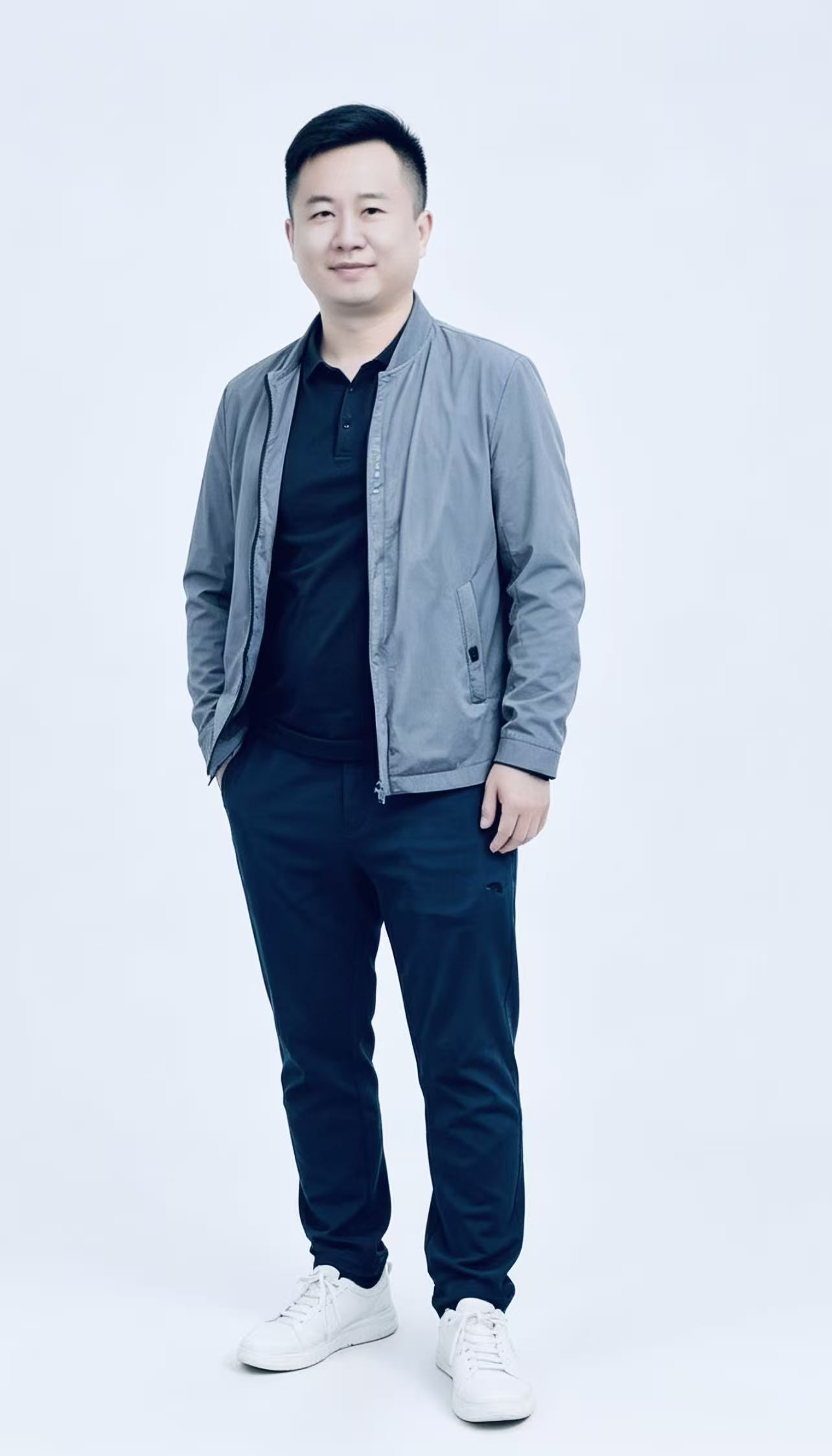
Owen is the second-generation founder of Sueban Group, a reborn doll manufacturer based in Guangdong, China. With over 20 years of family manufacturing heritage, Owen leads the company's B2B operations serving wholesalers, brands, and institutional buyers across 20+ countries.
Meet Owen →
 English
  Deutsch
  Français
  Español
  Italiano
  Nederlands