A few years ago, many adults kept their nostalgic hobbies private. Collecting plush toys, displaying figurines, or buying comfort-focused items was often dismissed as childish behavior. In 2026, that attitude has changed dramatically.
The “kidult economy” has become one of the fastest-growing lifestyle and consumer trends in the United States and beyond. More adults are openly spending money on collectibles connected to comfort, nostalgia, emotional familiarity, and personal identity.
This shift is not just about toys. It reflects a larger cultural movement where adults are searching for small forms of emotional relief in increasingly stressful and overstimulating environments.
For some people, that might mean building a shelf filled with retro figurines from childhood. For others, it could involve plush collectibles, sensory objects, or reborn dolls that create a sense of calm and routine at home.
What the Kidult Economy Actually Means
The term “kidult economy” describes adults purchasing products traditionally associated with childhood, but for emotional comfort, self-expression, collecting culture, or stress relief rather than simple play.
These purchases are often connected to:
- Nostalgia
- Emotional comfort
- Personal identity
- Relaxation routines
- Creative hobbies
- Collecting culture
- Sensory experiences
Millennials and Gen X consumers helped drive the early stages of this trend because many grew up during major pop culture eras tied to cartoons, gaming, plush toys, and character merchandise. As those generations gained spending power, the market naturally expanded.
Social media accelerated the process even further. What once felt private suddenly became visible everywhere online. Cozy room tours, collectible displays, reborn doll nurseries, plush collections, and sensory-focused routines are now common across platforms like TikTok, Instagram, Pinterest, and YouTube.
As a result, comfort-focused collecting has become far more socially accepted than it was a decade ago.
Why Emotional Collectibles Feel Important to Adults
For many adults, emotional collectibles are less about ownership and more about how certain objects make them feel.
Modern life is often loud, fast, and mentally exhausting. Many people spend entire days switching between screens, notifications, work pressure, and constant information overload. In that environment, soft textures, familiar designs, and comforting routines can feel surprisingly grounding.
That is one reason nostalgia continues to play such a strong role in adult collecting culture.
A familiar character, plush toy, or collectible figure can reconnect someone to calmer memories, childhood routines, or periods of emotional security. Even simple sensory details—like softness, weight, or texture—can help create small moments of relaxation during stressful days.
Some adults keep small plush collectibles next to their work monitors. Others create quiet corners at home filled with nostalgic objects, soft lighting, and comfort items that help them mentally unwind in the evenings.
These routines may seem simple, but for many people they provide consistency and emotional familiarity in environments that often feel unstable or overstimulating.
Popular Types of Emotional Collectibles in 2026
The comfort collectible market has expanded far beyond traditional toy collecting. Several categories are especially popular among adult buyers in 2026.
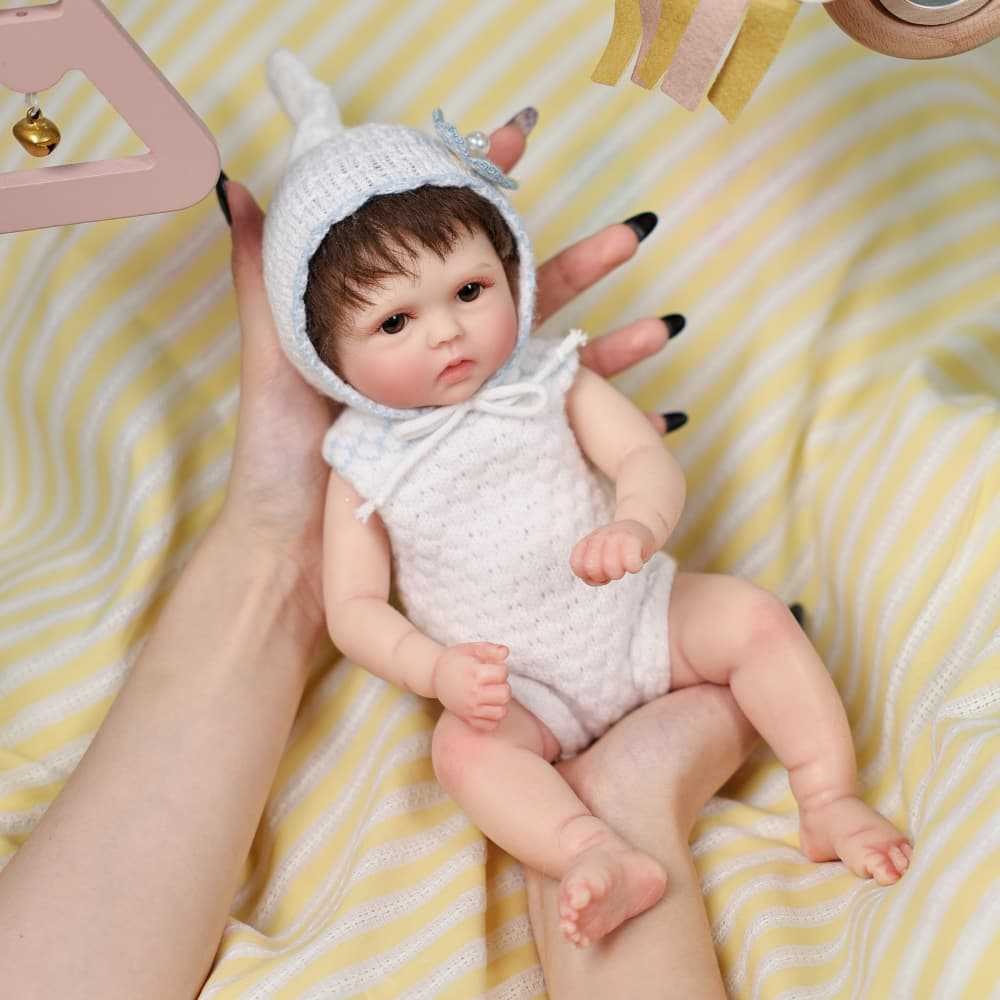
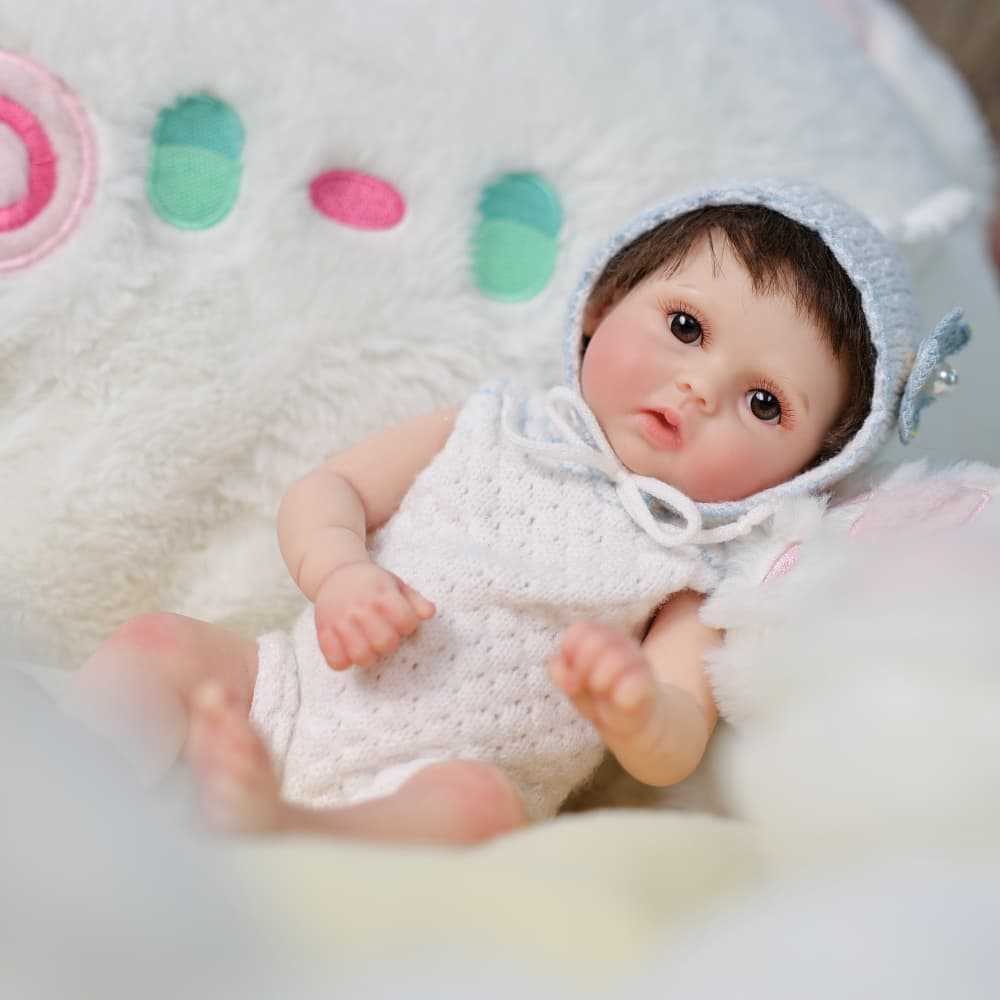
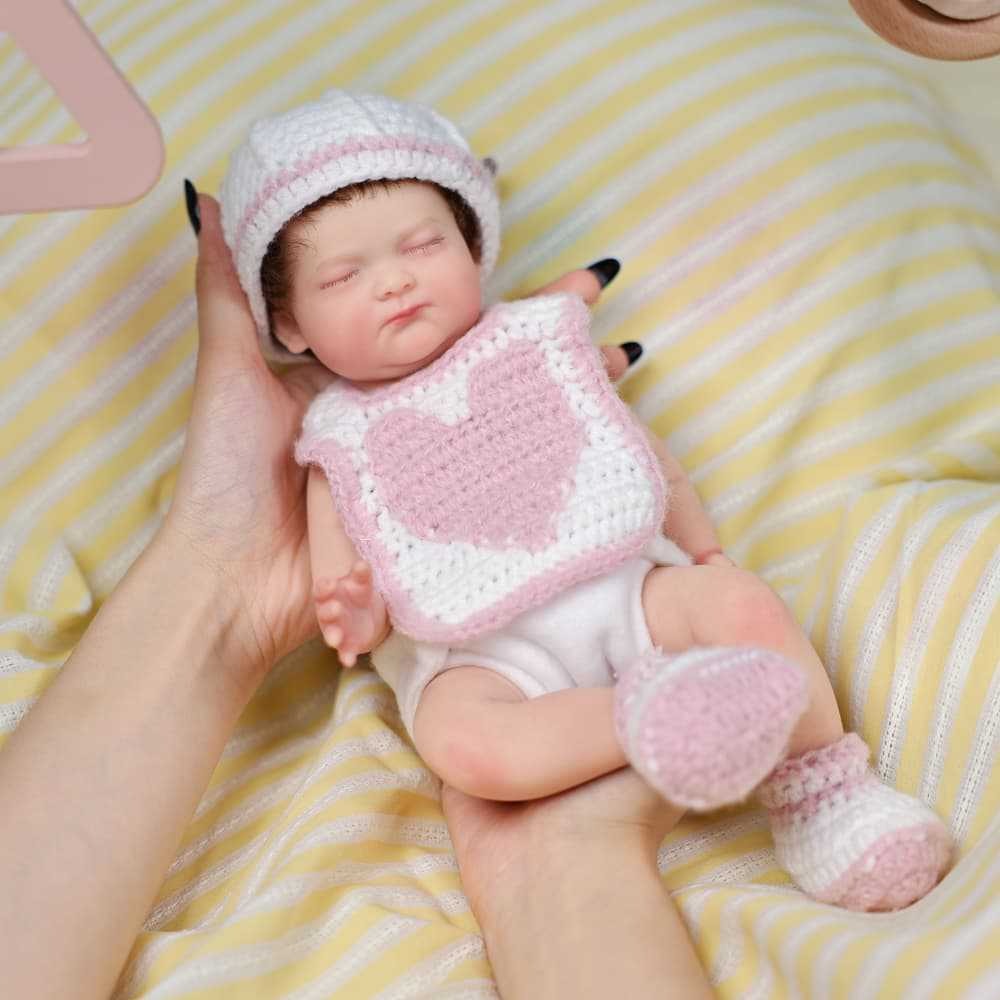
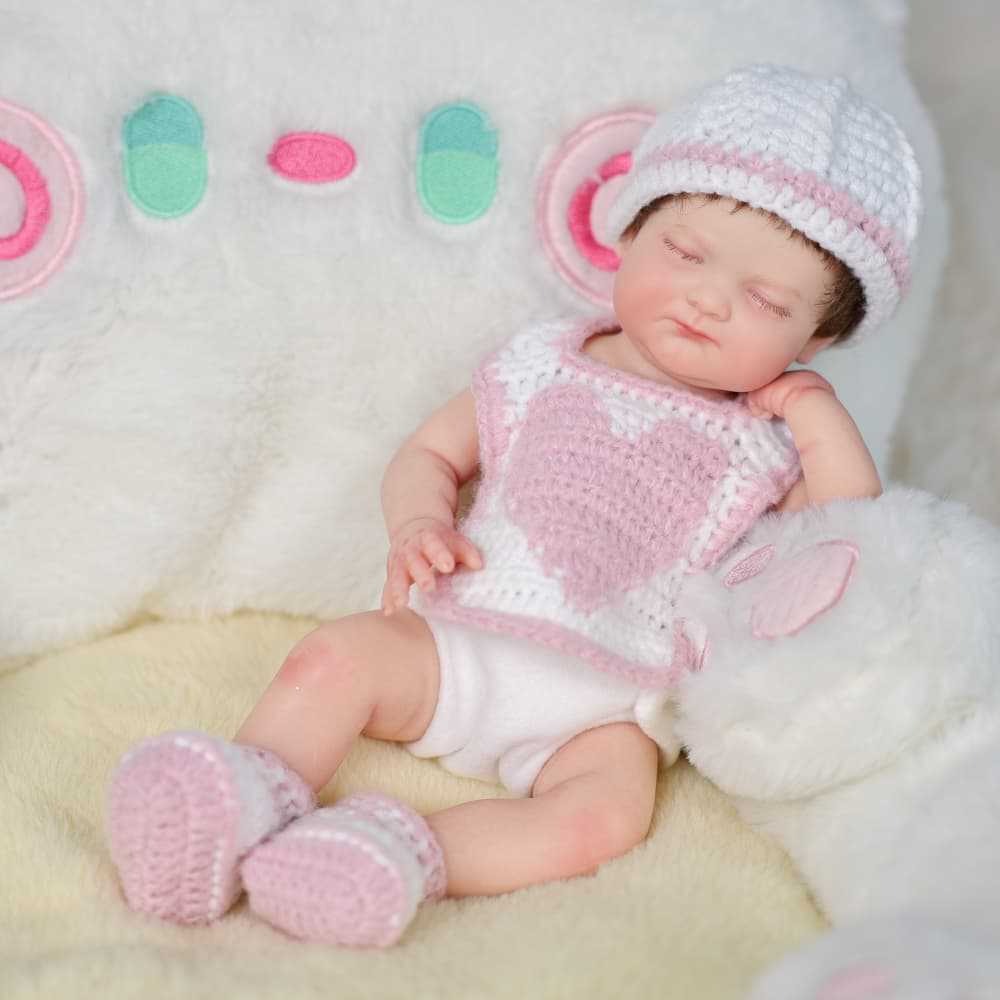
Reborn Dolls
Reborn dolls continue to attract attention because of their realism, craftsmanship, and emotional presence.
Some collectors appreciate them as detailed art pieces, while others connect with the calming routines associated with caring for, displaying, or photographing them. The weight and tactile feel of reborn dolls often create a stronger emotional connection than traditional collectibles.
For some adults, reborn collecting becomes part of a quiet comfort-focused hobby built around routine, creativity, and emotional relaxation.
Plush Collectibles
Adult plush collecting remains one of the fastest-growing parts of the comfort market.
Unlike high-maintenance hobbies, plush collectibles are easy to integrate into daily life. A soft plush placed on a couch, desk, or bed can subtly change the atmosphere of a space and make it feel calmer or more personal.
Soft textures are also important from a sensory perspective. Many adults describe tactile comfort as helping them slow down after stressful workdays or periods of emotional fatigue.
Sensory and Weighted Comfort Items
Weighted comfort objects and sensory-focused collectibles are becoming increasingly common among adults looking for grounding routines.
These products are often chosen for practical comfort rather than display value. Weighted plush items, sensory tools, and tactile collectibles are especially popular among people who spend long hours working at desks or managing high-stress schedules.
Many buyers appreciate products that feel calming without requiring complicated routines or major lifestyle changes.
Nostalgic Figurines and Memorabilia
Retro figurines, vintage-inspired collectibles, and nostalgic merchandise continue to perform strongly within the kidult market.
For many collectors, these items represent more than fandom. They often connect directly to identity, memory, and emotional familiarity. A collectible tied to childhood television, games, or movies can carry strong emotional meaning even decades later.
This is one reason nostalgia-driven collecting continues to expand across multiple age groups.
Why the Kidult Economy Keeps Growing
Several larger cultural shifts are helping drive the continued growth of emotional collectibles and comfort-focused hobbies.
Mental Wellness Awareness
Conversations around stress, burnout, anxiety, and emotional well-being have become far more open in recent years. As a result, adults are increasingly willing to invest in routines or objects that help them feel calmer and more emotionally balanced.
Comfort collectibles are not replacing professional mental health support, but many people incorporate them into personal relaxation routines in practical ways.
Online Communities
Online spaces have also made collecting feel more social and accepted.
Collectors now share room setups, shelf displays, customization projects, reborn photography, and comfort-focused routines with large audiences. These communities create validation and help remove some of the stigma that once surrounded adult collecting hobbies.
Emotional Value Over Status
Many consumers are shifting away from purely status-driven purchases and becoming more interested in products that provide emotional value.
A growing number of adults care less about buying products to impress others and more about building spaces, routines, and hobbies that feel calming or personally meaningful.
That emotional shift is one of the biggest reasons the kidult economy continues to expand.
Criticism and Misunderstandings
Despite the growth of the trend, adult collecting still faces criticism from some people who view comfort-focused hobbies as immature or overly sentimental.
However, that criticism often ignores how emotionally demanding modern adult life has become.
For many collectors, these hobbies are not about avoiding responsibility. They are simply small ways to create emotional balance, personal comfort, or creative expression outside of work and daily pressure.
At the same time, balance still matters.
Like any hobby, collecting can become unhealthy if spending becomes excessive or if emotional attachment completely replaces real-world relationships and routines. Most collectors understand this and approach their hobbies in practical, manageable ways.
The healthiest forms of comfort collecting are usually the ones that remain intentional, financially reasonable, and emotionally grounding.
How Brands Are Responding
Brands across the collectible industry have noticed this shift and are designing products specifically for adult buyers rather than children.
In 2026, comfort-focused products increasingly include:
- Softer and more tactile materials
- Personalized or customizable designs
- Limited-edition releases
- Display-friendly packaging
- Sensory-focused textures
- Realistic craftsmanship
- Comfort-oriented functionality
This is especially visible in categories like reborn dolls, weighted plush collectibles, and sensory-focused products designed for adults who want emotional comfort alongside collecting appeal.
Rather than marketing products purely as toys, many brands now position them as lifestyle pieces connected to relaxation, creativity, nostalgia, or emotional well-being.
Things Worth Paying Attention To Before Buying
For people entering the kidult collectible space for the first time, starting slowly is usually the best approach.
Many experienced collectors recommend focusing on items that feel personally meaningful rather than chasing online trends or impulse purchases.
A few practical things worth paying attention to include:
- Material quality and durability
- Realistic product photography
- Transparent seller information
- Clear return policies
- Available space for display or storage
- Personal comfort and emotional connection
For reborn dolls and handmade collectibles especially, authenticity and craftsmanship matter significantly. Trusted sellers usually provide detailed photos, care information, and clear communication about materials and features.
The goal is not to buy the most expensive collectible. It is to find something that fits naturally into your routines and genuinely feels comforting or enjoyable to keep around.
Why the Kidult Economy Matters Beyond Collecting
The kidult economy is ultimately about more than collectibles themselves.
It reflects a larger cultural shift toward emotional comfort, slower routines, sensory experiences, and personal forms of relaxation in a world that often feels overstimulating and emotionally draining.
For many adults, comfort collectibles are becoming part of how they build calmer environments and reconnect with feelings of familiarity, creativity, and emotional safety.
What was once viewed as childish is increasingly being recognized as something far more human: the desire for comfort, softness, and emotional grounding during stressful periods of life.
FAQs
Why is the kidult economy growing so quickly?
Many adults are looking for comfort, nostalgia, and emotionally meaningful hobbies during stressful and fast-paced periods of life.
Are emotional collectibles only for collectors?
Not always. Some people collect for display, while others use comfort-focused collectibles as part of relaxing routines and emotional self-care habits.
Table of Contents

Owen is the second-generation founder of Sueban Group, a reborn doll manufacturer based in Guangdong, China. With over 20 years of family manufacturing heritage, Owen leads the company's B2B operations serving wholesalers, brands, and institutional buyers across 20+ countries.
Meet Owen →
 English
  Deutsch
  Français
  Español
  Italiano
  Nederlands