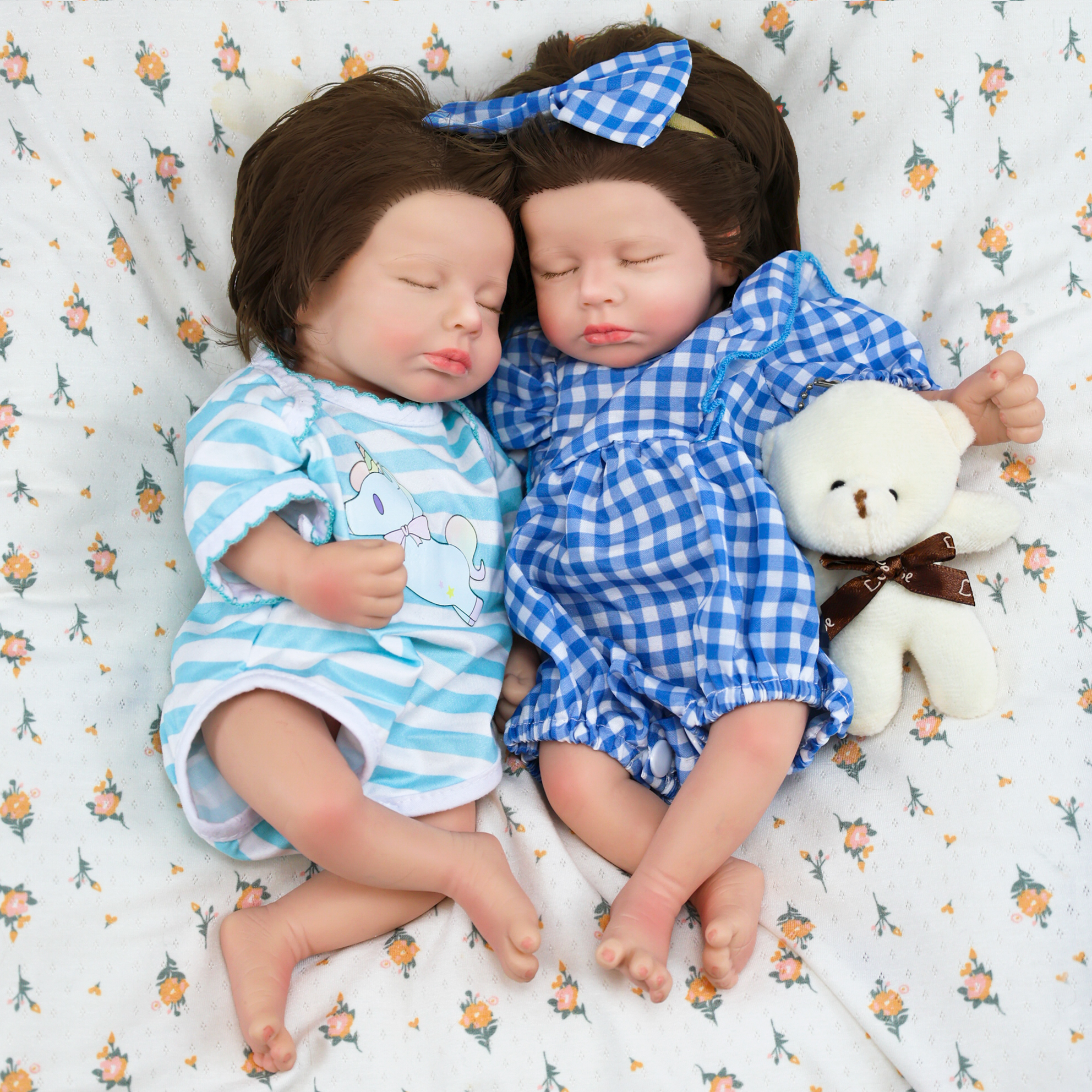
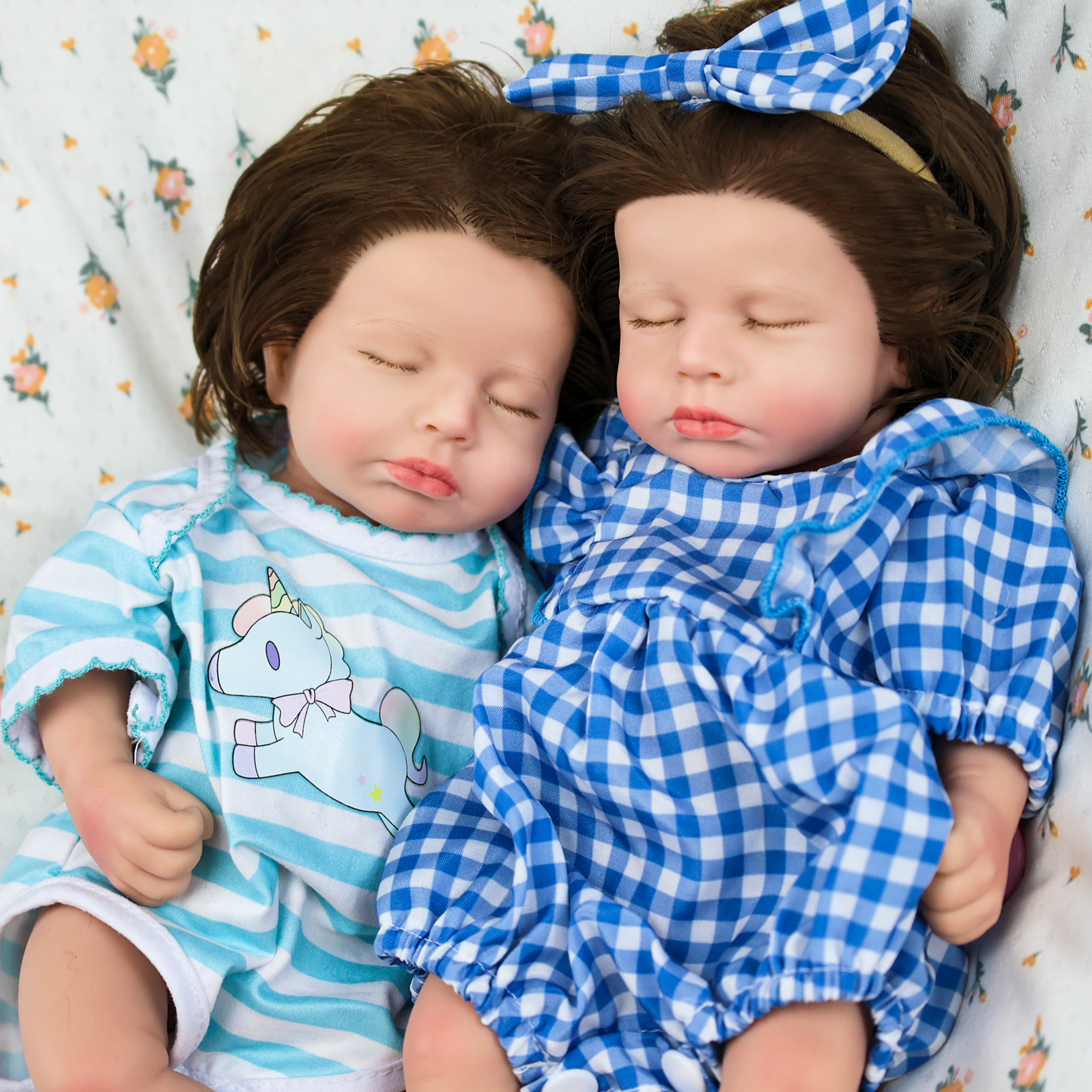
In the global doll manufacturing sector, price is often the primary lever in procurement negotiations. However, for experienced B2B buyers—ranging from Amazon private label owners to institutional healthcare suppliers—choosing the right reborn doll manufacturer is far more critical than simply choosing the lowest quote.
In an industry where the final product must mimic human life, the margin between a high-value asset and a liability is thin. Understanding the underlying cost structure of a professional-grade reborn doll is not just about accounting—it is about protecting your brand’s ROI, ensuring regulatory compliance, and minimizing hidden risks.
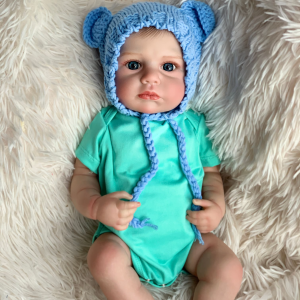
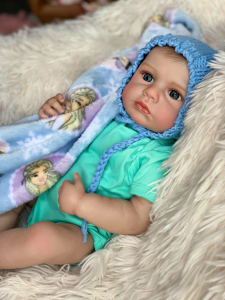
The “Cheap Trap”: Why Low-Cost Reborn Dolls Are a Risky Investment
In the B2B landscape, the “Cheap Trap” occurs when a manufacturer sacrifices material integrity and labor precision to meet an aggressive price point. For a procurement manager, a unit price that sits 30% below the industry average should trigger an immediate audit of the supplier’s Quality Control (QC) and Standard Operating Procedures (SOPs).
Low-cost manufacturing typically relies on industrial-grade shortcuts. While the initial prototype may look acceptable, the mass-produced batch often suffers from batch variance—where the 500th doll looks nothing like the 1st. This inconsistency leads to high return rates, negative reviews, and, in the worst cases, platform-wide bans on marketplaces like Amazon or Etsy..
Actionable Advice:
When evaluating a supplier, always request a detailed breakdown of material costs and labor time. A reliable reborn doll supplier should be transparent about their production structure.
To better understand how to evaluate suppliers, refer to our Ultimate B2B Sourcing Guide to Reborn Dolls.

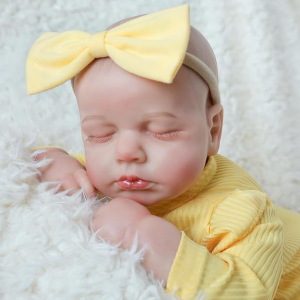
Breaking Down the Production Costs of a Premium Reborn Doll
The production of a high-quality reborn doll combines industrial manufacturing with detailed handcrafting. Unlike mass-produced toys, reborn dolls require significant manual work.
Raw Materials: Virgin Medical-Grade Vinyl vs Recycled Plastics
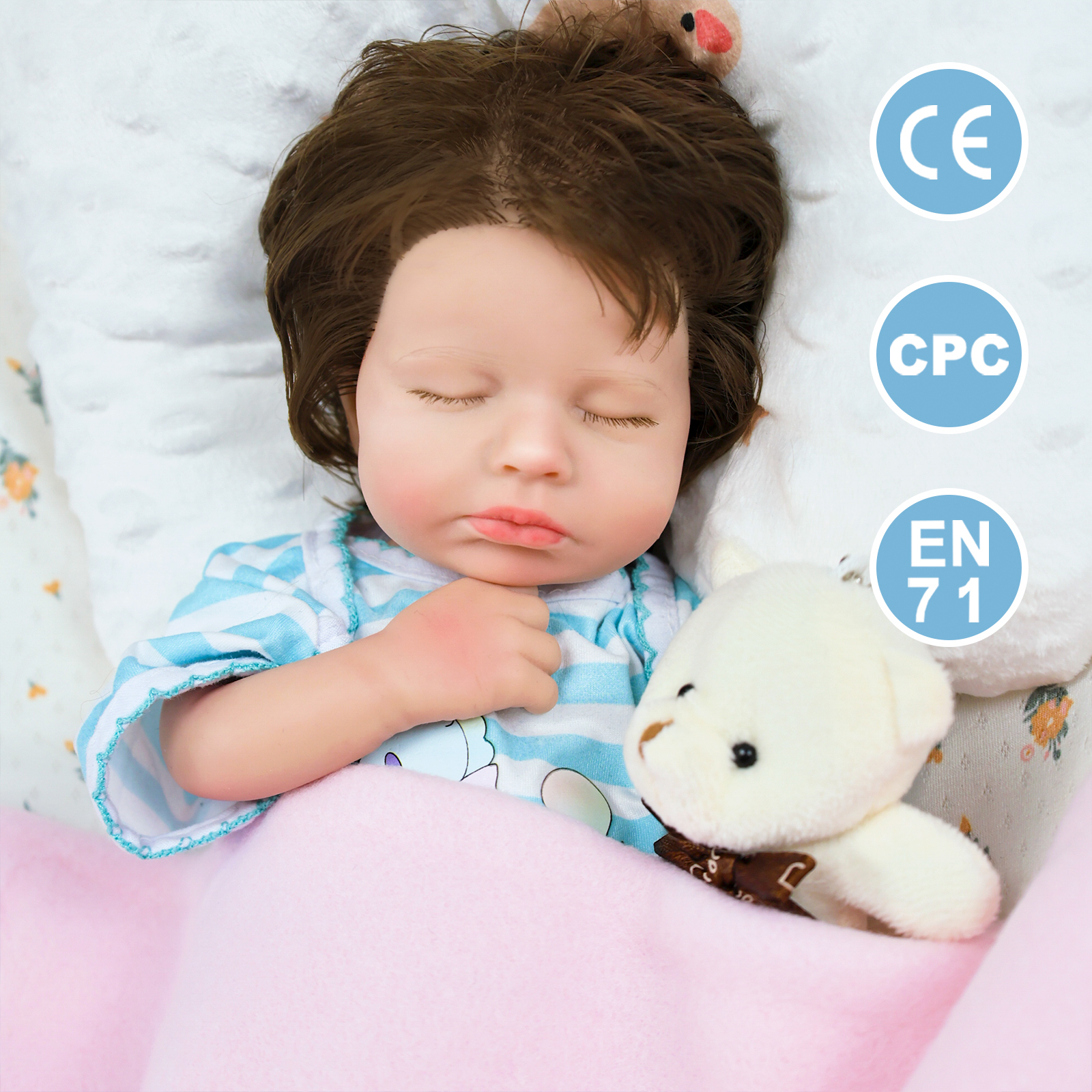
Premium manufacturers use virgin, medical-grade vinyl that is phthalate-free and lead-free, complying with ASTM F963 and EN71 standards.
The Cost Factor: Virgin vinyl is significantly more expensive than recycled PVC. Recycled plastics often contain migrating plasticizers that cause the doll to become sticky or leak oil over time.
B2B Impact: Using medical-grade materials ensures that your inventory remains shelf-stable for years and passes all mandatory chemical safety audits at customs.
Craftsmanship: Multi-Layer Hand Painting vs Industrial Spraying
The realism of a reborn doll is achieved through depth.
Industrial Spraying: Low-end factories use a single layer of air-dried acrylic paint. It is fast but lacks depth and is prone to peeling.
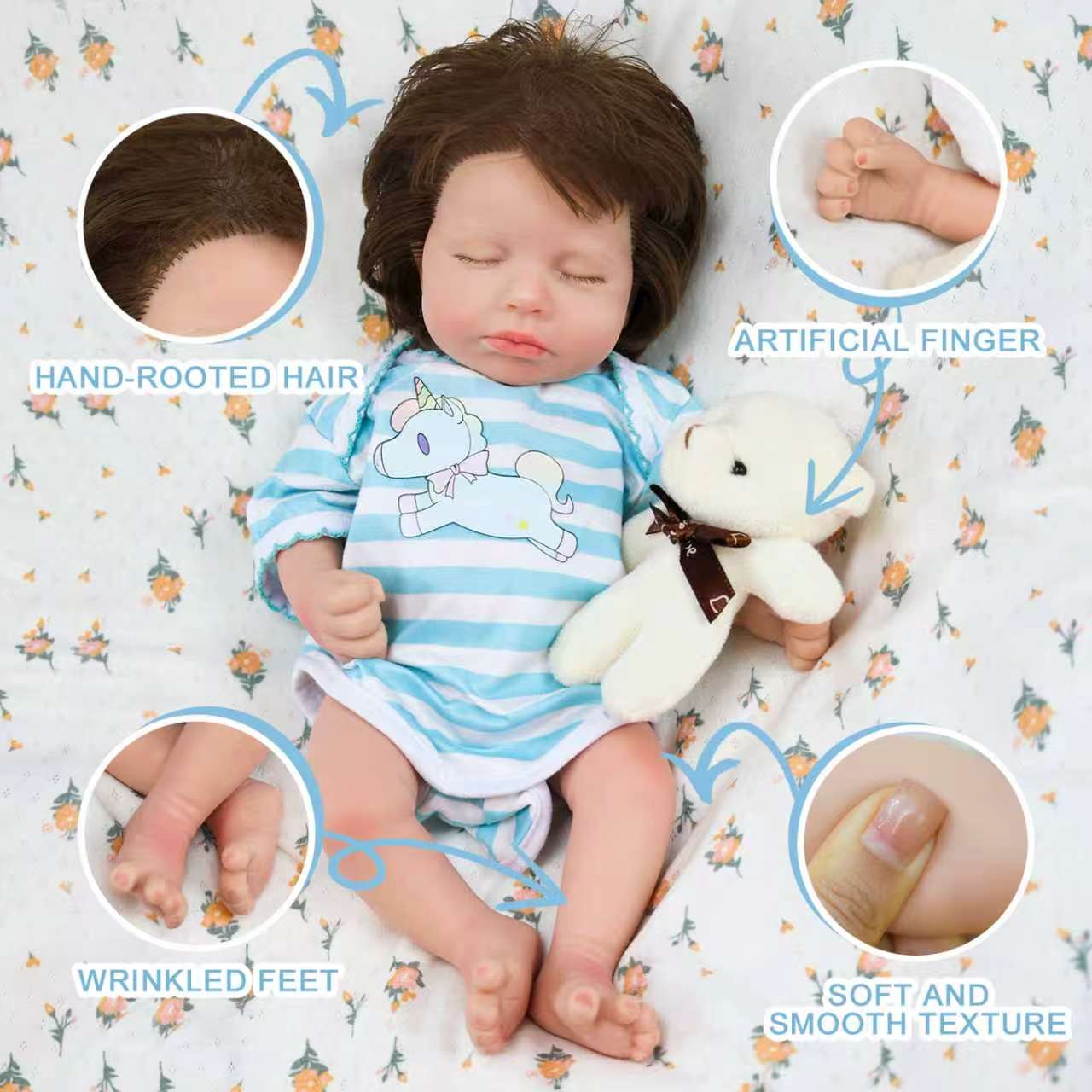
Sueban Standard: We utilize Genesis Heat-Set Paints (GHSP). This process involves applying 15 to 20 individual layers of paint—including veins, capillaries, and mottling—with each layer being baked in a specialized oven to fuse the pigment with the vinyl.
The Cost Factor: This process adds hours of skilled labor and energy costs to every single unit.
Labor Costs: Hair Rooting and Weighting Techniques
Hair application is one of the most labor-intensive processes.
Micro-Rooting: This involves a technician using a specialized needle to insert 1-2 strands of premium mohair or silk-protein fiber at a time. A single head can take 10 to 15 labor hours.
Weighting: High-quality dolls are weighted with fine glass beads and poly-pellets to simulate the floppy feel of a real newborn. Cheap alternatives use sand (which can leak and cause customs issues) or low-density foam.
For a full technical comparison of materials and labor standards, see our How to Find a Reliable Reborn Doll Manufacturer.
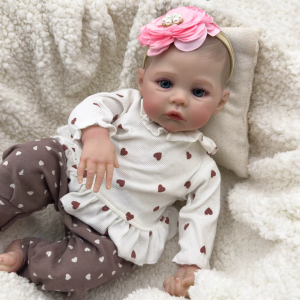
The Hidden Costs of Low-Quality Sourcing
A low FOB (Free On Board) price is only one part of the Total Cost of Ownership (TCO). Procurement managers must account for the financial friction caused by sub-standard manufacturing.
High Defect Rates and Customer Returns
In the B2B world, a 5% defect rate is a disaster. If you are an Amazon seller, a high Return Dissatisfaction Rate (RDR) can lead to the suppression of your Buy Box. When you factor in the cost of reverse logistics, restocking fees, and lost shipping costs, a cheap doll often ends up costing 20-30% more than a premium one.
Safety Recalls and Regulatory Fines
Non-compliant materials are a ticking time bomb. If a batch is found to contain banned plasticizers during a random CPSC audit, the cost of a recall can bankrupt a small-to-medium enterprise. High-quality factories invest in third-party lab testing for every Minimum Order Quantity (MOQ) to mitigate this risk.
The Impact of Chemical Smells on Brand Loyalty
One of the most common complaints in low-end doll sourcing is the toxic chemical odor. This is caused by off-gassing from cheap solvents. In the premium market, especially for Dementia Care or Grief Therapy, the sensory experience is paramount. A bad smell destroys the therapeutic value and ensures the customer will never buy from your brand again.
Actionable Advice: Calculate your Real Unit Cost by adding the cost of expected returns and QC inspections to the initial factory quote.
Learn how to calculate your ROI and avoid sourcing pitfalls in our Reborn Doll Pricing Breakdown (Factory vs Retail vs Artist Cost Guide).

How Sueban Group Balances Cost-Efficiency with Premium Quality
At Sueban Group, we recognize that B2B buyers need to remain competitive. We don’t just make dolls; we optimize the OEM/ODM supply chain to provide premium quality at a sustainable price point.
Streamlined OEM Processes and Quality Control (QC)
We utilize a 4-Stage QC Process that begins at the raw material stage and ends with a final pre-shipment inspection. By catching defects early in the painting phase, we reduce waste, which allows us to keep our prices stable despite rising labor costs.
Long-Term Durability: Ensuring a 5+ Year Product Lifespan
Our dolls are engineered for longevity. By using UV-resistant pigments and high-tensile rooting techniques, we ensure that the product remains in like-new condition for years. For institutional buyers (nursing homes and hospitals), this durability significantly reduces the frequency of replacement orders, providing better long-term value.
Optimized Lead Times and MOQs
We understand that Lead Time is money. Our integrated facility allows us to manage production schedules tightly, ensuring that your seasonal inventory arrives on time, every time. We offer flexible MOQs to help brands scale without over-leveraging their capital.
Explore our manufacturing capabilities and QC protocols in the Sueban Group.
Investing in Quality for Sustainable Brand Growth
In the reborn doll industry, the product is an emotional experience. Whether your end-user is a collector or a patient in a care facility, the quality of the manufacturing dictates the success of the brand.
For the procurement manager, the goal is to move away from price-chasing and toward Value-Based Sourcing. By investing in a partner that prioritizes ASTM compliance, medical-grade materials, and skilled artistry, you are not just buying a doll—you are buying brand security, customer trust, and a healthier bottom line.
Get a real factory cost breakdown with certified materials and low-defect production.
Request your quote today and work with a reliable reborn doll manufacturer that supports your long-term business growth.

Owen is the second-generation founder of Sueban Group, a reborn doll manufacturer based in Guangdong, China. With over 20 years of family manufacturing heritage, Owen leads the company's B2B operations serving wholesalers, brands, and institutional buyers across 20+ countries.
Meet Owen →
 English
  Deutsch
  Français
  Español
  Italiano
  Nederlands