What Size Reborn Doll Is Best for Elderly Patients?
When families and care facility managers ask me about dementia doll therapy, their first concern is usually about comfort and safety. Finding the exact right size and weight isn’t just about making the doll look realistic—it is a critical care decision. For seniors with Alzheimer’s and other memory conditions, a doll that is too heavy or awkwardly sized can cause physical harm or distress. Understanding the balance between a realistic feel and patient safety is the foundation of an effective therapy program.
Therapy Doll Size Dementia: Respecting Physical Limits
As we age, our bodies change drastically. Skin thins out, arthritis stiffens joints, and muscle mass naturally decreases. A reborn doll that feels perfectly normal to a healthy adult caregiver can be overwhelmingly heavy and cumbersome for an elderly patient.
When a doll is too large or bulky, it becomes a physical burden rather than a source of comfort. This increases the risk of muscle strain, joint pain, or accidental drops that can upset the patient. We always recommend lightweight reborn dolls for seniors that they can easily cradle, rock, and carry down the hall without experiencing fatigue.
The Reassuring “Grounding” Effect
While the doll needs to be light enough to carry, it shouldn’t feel completely weightless like a standard plush toy. There is a highly specific therapeutic benefit known as the “grounding effect” that occurs when a doll has just the right amount of weight. A gently weighted, soft body baby doll for elderly patients provides essential sensory feedback that naturally calms the nervous system.
- Calms Agitation: A slight, evenly distributed weight resting on the lap or chest helps reduce pacing, wandering, and sundowning anxiety.
- Sparks Nurturing Instincts: The physical sensation of holding a weighted baby triggers deep-seated memories and caregiving instincts.
- Acts as an Anchor: The gentle, continuous pressure serves as a comforting anchor to the present moment for patients in memory care.
Preventing Bruises and Skin Tears
There is a common misconception that the heaviest, most hyper-realistic solid silicone dolls are the best choice. In reality, heavy dolls can be highly dangerous for frail individuals. We must prioritize bruise prevention above all else.
Elderly skin is incredibly fragile and prone to tearing. If a patient loses their grip on a heavy doll, a sudden slip or drop against their arm or leg can cause painful bruising or severe skin tears. To ensure you are providing safe dolls for Alzheimer’s patients, stick to these fundamental safety guidelines:
- Avoid fully solid, heavy silicone: Opt for soft cloth bodies with lightly weighted, flexible limbs.
- Distribute weight evenly: A balanced doll is much easier for an elderly person to maneuver from a sitting to a standing position.
- Limit the maximum weight: Keep the total weight of the doll under 2.5 to 3 pounds to prevent accidental injury and caregiver liability.
What Size Reborn Doll Is Best for Elderly Patients? A Size Guide
When figuring out what size reborn doll is best for elderly patients, I always look at the individual’s physical strength first. Choosing the right therapy doll size for dementia care makes all the difference between a comforting experience and a frustrating physical burden.
Here is a quick reborn doll size guide to help you easily compare the options:
10″ – 13″ (Mini / Preemie)
- Best fit: Bedbound patients, frail seniors, or those with severe arthritis.
- The upside: Extremely lightweight, effortless to hold, and easy to tuck under an arm without causing strain.
- The downside: Slightly less lifelike than standard newborn sizes.
17″ – 19″ (Newborn)
- Best fit: The vast majority of seniors. This is widely considered the best doll size for elderly patients.
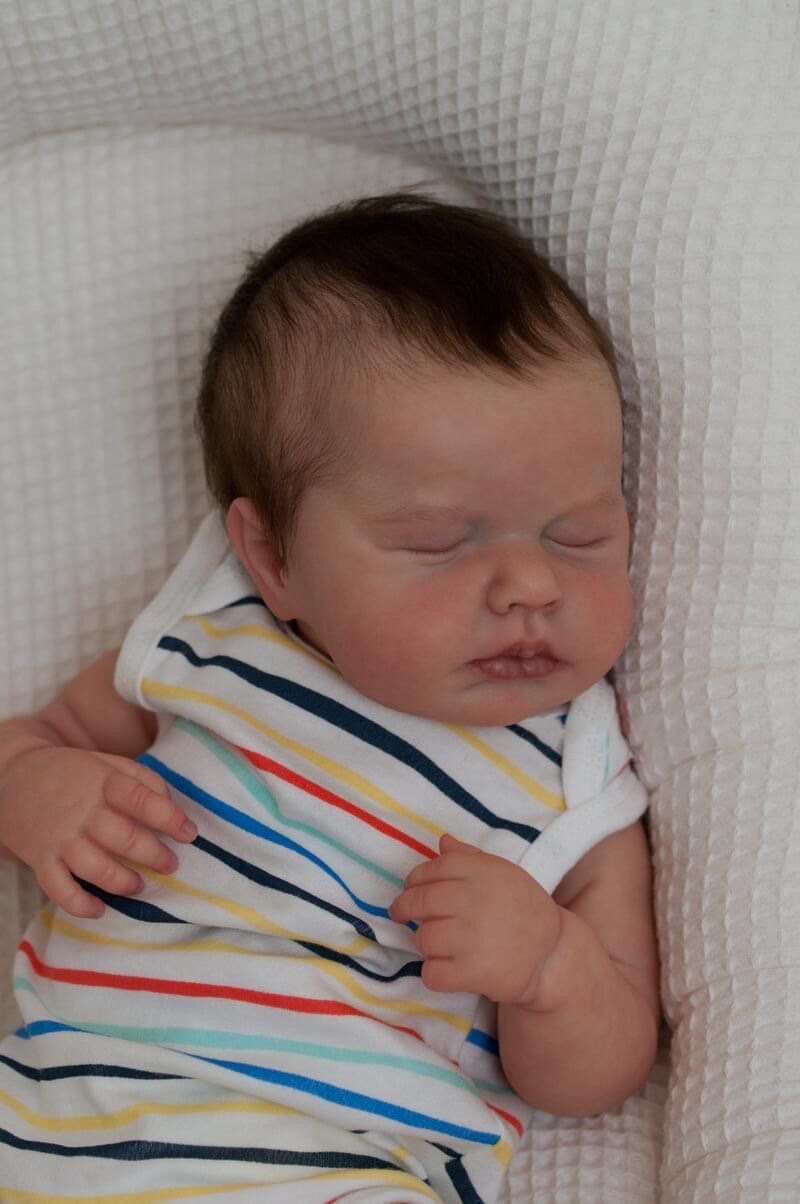
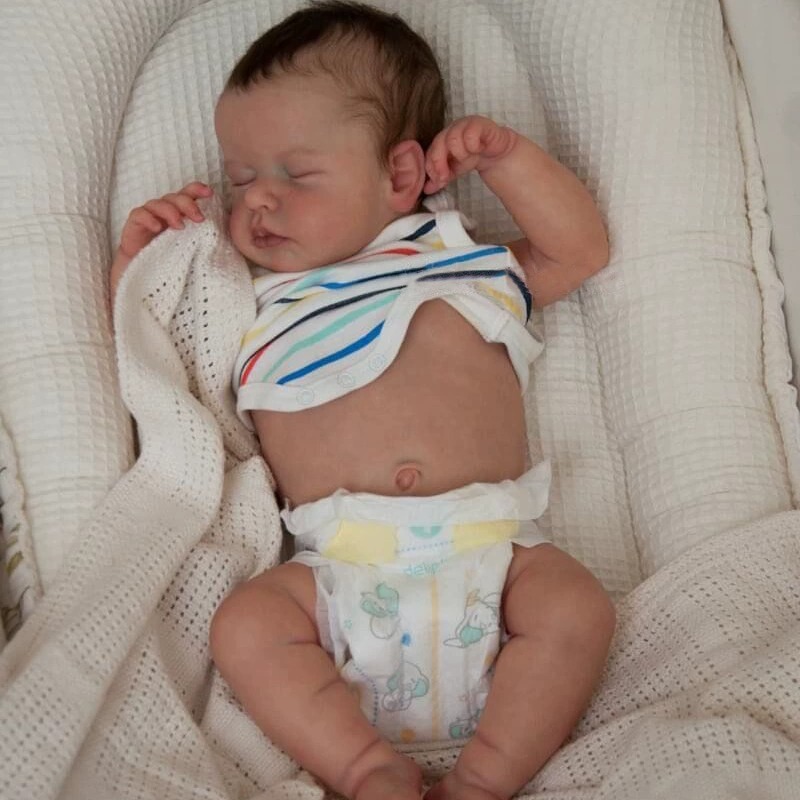
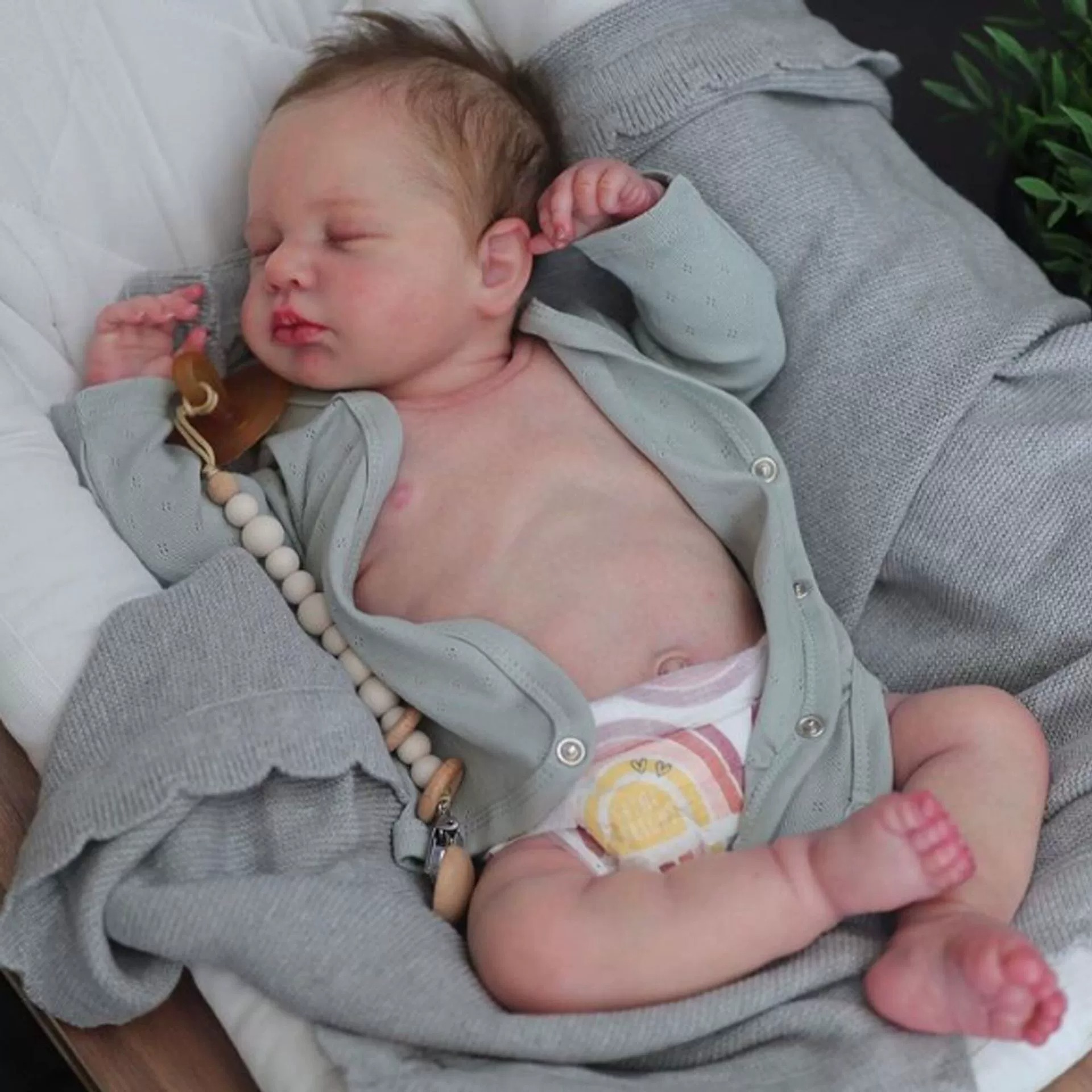
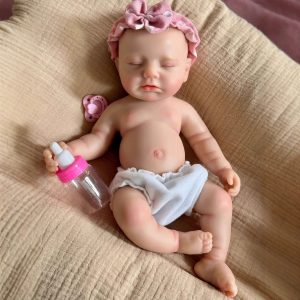
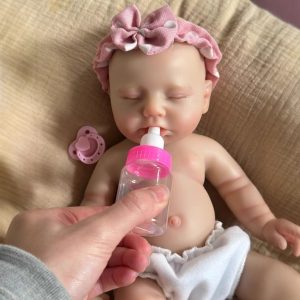
- The upside: Delivers a realistic newborn feel without causing muscle fatigue. A realistic 18-inch cloth body vinyl reborn doll hits the sweet spot for comfort and weight. Because it is so easy to cradle safely, this size is a daily staple in reborn doll therapy for dementia care homes.
20″ – 22″ (Large / Toddler)
- Best fit: More active seniors with good upper body strength who prefer the feel of an older baby.
- The upside: Highly realistic toddler presence and fits standard 0-3 month baby clothes perfectly.
- The downside: Can be heavy and bulky. When looking at an 18 inch vs 22 inch reborn doll, I typically advise against the 22-inch models for frail individuals or those who spend most of their day sitting in wheelchairs.
Deep Dive: Choosing the Perfect Size by Patient Need
Finding the right fit is a core part of dementia doll therapy guidelines. It’s not a one-size-fits-all situation. In our experience, the best doll size elderly individuals need depends entirely on their physical strength and mobility. We’ve broken down how to match the doll to the specific needs of the patient.
The “Sweet Spot” (17-inch to 19-inch)
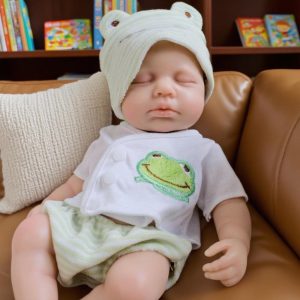
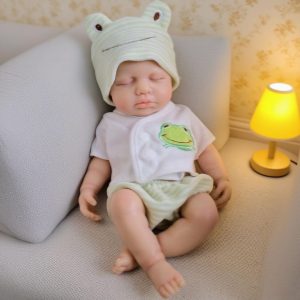
For most reborn baby dolls for dementia patients, this size range is the absolute gold standard. It mimics the size of a real newborn without overwhelming the senior.
- Perfect Balance: They provide a comforting, realistic presence without causing arm fatigue or bruising.
- Easy to Cradle: When looking at an 18 inch vs 22 inch reborn doll, the 18-inch model is significantly easier for frail patients to hold comfortably against their chest.
- Top Choice: An 18-inch solid silicone reborn doll usually hits this “sweet spot,” making it a safe and highly effective option for Alzheimer’s therapy dolls.
Mini Companions (10-inch to 13-inch)
For patients dealing with advanced physical decline, severe arthritis, or those who are bedbound, standard sizes can be too cumbersome. In these cases, lightweight reborn dolls for seniors are a must.
- Zero Strain: These preemie-sized dolls are incredibly light and easy to grasp for weakened hands.
- Highly Portable: They can easily be tucked into the side of a wheelchair or carried securely in one arm.
- Gentle Comfort: A 12-inch platinum silicone doll offers the soothing, skin-like texture of a realistic baby without adding any heavy lifting to a senior’s daily routine.
Larger Toddler Sizes (20-inch to 22-inch)
While heavier, larger dolls definitely have their place in memory care facilities. These are best suited for seniors who still possess good upper body mobility and actively seek the feeling of holding an older baby.
- Grounding Weight: The extra mass provides deep pressure therapy, which is excellent for soothing patients prone to high anxiety or pacing.
- Motor Skill Retention: The larger size makes it easier for seniors to change clothes and practice basic grooming.
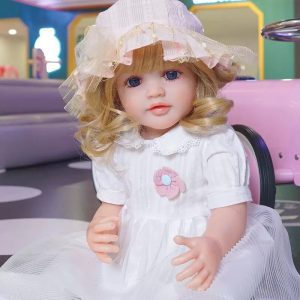
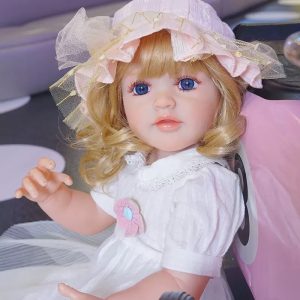
- Material Matters: If you step up to this size, we highly recommend looking for soft body baby dolls for elderly patients. A cloth body keeps the overall weight manageable while still offering a huggable, lifelike companion.
Crucial Features Beyond Size: Safe Dolls for Alzheimer’s
While finding the best doll size elderly patients can comfortably hold is important, the physical features dictate how safe and effective the therapy will be. I always recommend keeping things as simple and soothing as possible. When sourcing reborn baby dolls for dementia patients, certain elements can make or break the experience.
Here is a quick breakdown of what to look for and what to avoid:
| Feature | What to Look For | What to Avoid |
|---|---|---|
| Eyes | Fixed eyes (peacefully closed or gently open). | Eyelashes that pull off or complex blinking mechanisms. |
| Hair | Painted or lightly molded hair for easy maintenance. | Thick, rooted hair that tangles or sheds easily. |
| Function | Soft, quiet, and comforting bodies. | Mechanical parts, voice boxes, or robotic movements. |
| Materials | Certified non-toxic materials and secure seams. | Sharp edges, toxic paints, or easily detached small parts. |
Key Details to Consider
- Eye Mechanisms: While some caregivers look for open and close eye dolls for dementia, simple fixed eyes are often safer. Moving eyelids can break, creating a choking hazard or causing distress if the doll gets “stuck.”
- Hair Care: Alzheimer’s therapy dolls need to be low-maintenance. Painted hair prevents the frustration of tangled locks and keeps the doll looking neat in nursing homes without requiring daily brushing.
- Zero Mechanical Parts: Avoid dolls that cry, wet, or move. Sudden noises or mechanical movements can startle and agitate seniors in memory care. A silent, soft presence is the goal.
- Safety Certifications: Always verify safety testing. Seniors might kiss or hold the dolls near their faces, so non-toxic materials are non-negotiable. If you are exploring high-quality, durable options, choosing the best silicone reborn dolls ensures you get safe, non-toxic companions built specifically to handle the demands of therapeutic environments.
Cleaning and Maintenance for Care Facilities
In nursing homes and memory care units, hygiene is a top priority. Keeping therapeutic baby dolls for nursing homes clean protects vulnerable seniors and extends the lifespan of the doll. I always advise care staff to establish a clear, daily routine for sanitizing these companions.
Proper Sanitization: Soft Cloth vs. Platinum Silicone
The cleaning method depends entirely on the doll’s construction. When reviewing how to choose reborn dolls and how to care for them in a facility setting, use these guidelines to prevent permanent damage:
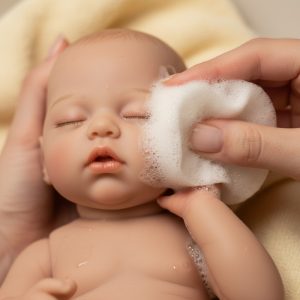
- Soft Body Baby Dolls for Elderly: Never submerge these in water. Spot clean the weighted fabric body using a damp cloth and mild, scent-free soap. Always air dry the doll completely in a well-ventilated area to prevent mildew from forming inside the cloth.
- Platinum Silicone and Vinyl: Non-toxic silicone dolls for elderly patients are highly durable and much easier to sanitize. Wipe down the face, hands, and feet daily using gentle, alcohol-free antibacterial wipes. Strictly avoid bleach and harsh solvents, as these chemicals will strip the realistic hand-painted details right off the vinyl.
Dressing Dolls for Therapy and Hygiene
Clothing plays a dual role in dementia doll therapy. Changing a baby’s outfit acts as a practical physical therapy exercise that helps seniors maintain fine motor skills and joint flexibility. More importantly, clothes serve as a washable barrier, keeping the actual doll clean from spills and daily handling.
- Rotate Outfits Frequently: Treat the doll’s clothes just like regular patient laundry. Having multiple custom doll clothing sets readily available ensures the doll is never bare while its primary outfit is in the wash.
- Use Easy Fasteners: Pair washable baby dolls for seniors with simple garments that use Velcro, elastic, or large snaps. This eliminates the frustration of dealing with tiny buttons, making the dressing process safe, independent, and engaging for the patient.
Supplier Recommendation
For care facilities and distributors, selecting the correct doll size is only part of the process.
Working with a professional reborn doll manufacturer allows you to standardize size, weight, and materials across bulk orders, ensuring consistency in dementia care programs.

Owen is the second-generation founder of Sueban Group, a reborn doll manufacturer based in Guangdong, China. With over 20 years of family manufacturing heritage, Owen leads the company's B2B operations serving wholesalers, brands, and institutional buyers across 20+ countries.
Meet Owen →
 English
  Deutsch
  Français
  Español
  Italiano
  Nederlands