Factory Pricing vs Artist Prices Explained
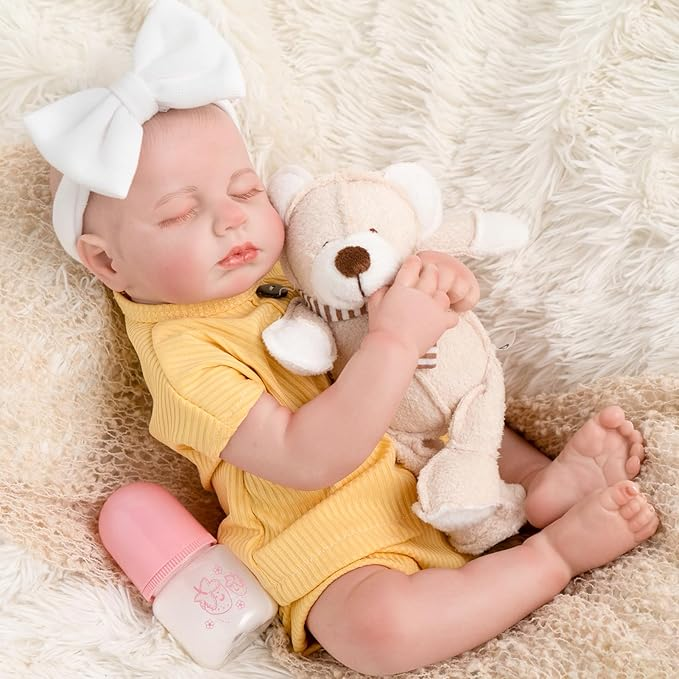
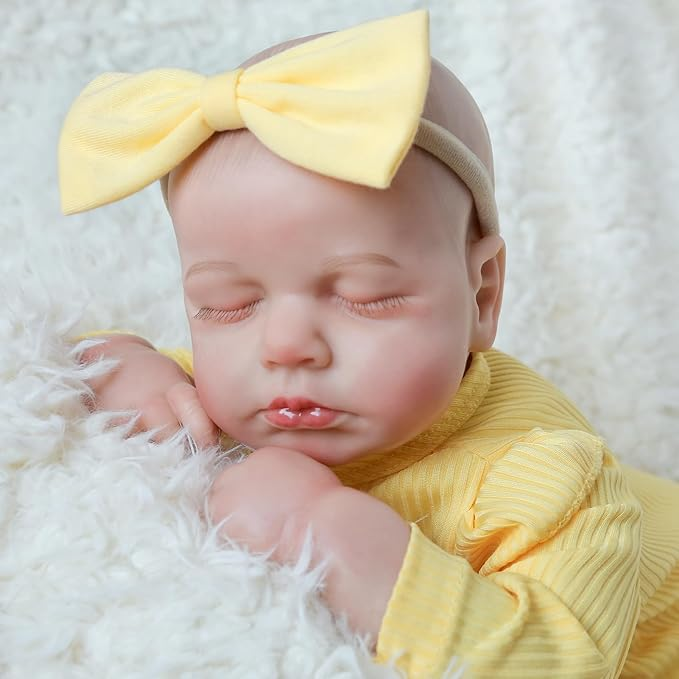
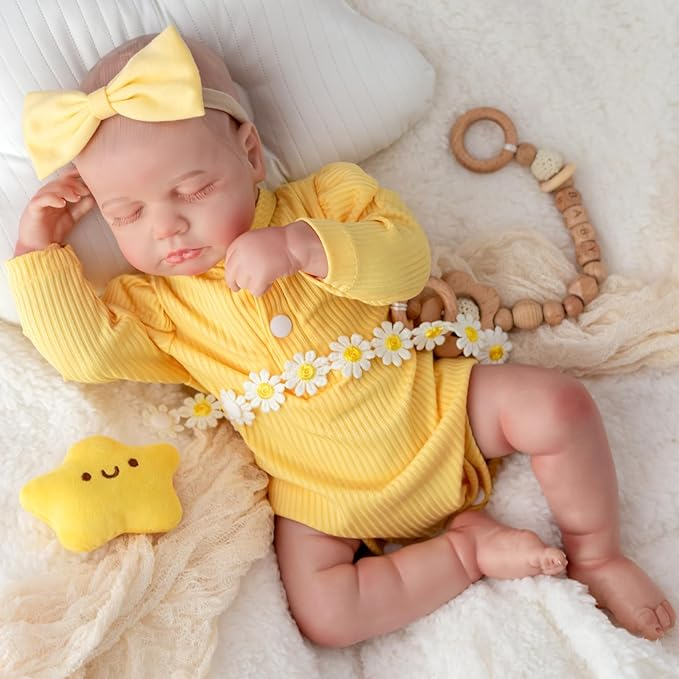
One of the most common questions asked by buyers, collectors, and distributors alike is: How much does a reborn doll cost? A quick online search reveals a wide range—from under $100 to over $8,000—which often leads to confusion rather than clarity.
From a reborn doll manufacturer’s perspective, this price gap is not accidental. It reflects fundamental differences in materials, craftsmanship, customization level, and production method. This article explains reborn doll pricing step by step, comparing factory-made reborn dolls with artist-created dolls, and clarifying why China-based manufacturers dominate the OEM and wholesale market.
The Average Price of a Reborn Doll: A Practical Overview
Reborn doll prices generally fall into four major tiers:
Entry-level: around $100–$300
Mid-range: around $400–$800
Premium custom: around $1,500–$3,000
Ultra-high-end artist dolls: $5,000–$8,000+
Each price range corresponds to a different purpose, production model, and buyer expectation.
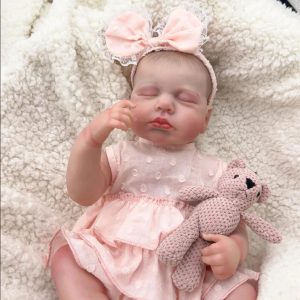
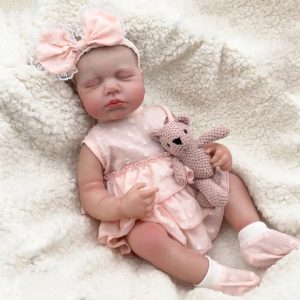
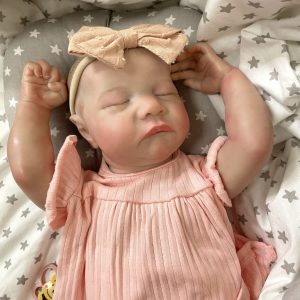
$100–$300: Entry-Level Factory Reborn Dolls
Reborn dolls in this range are typically factory-produced, designed for accessibility and functional use rather than artistic exclusivity. These dolls usually feature:
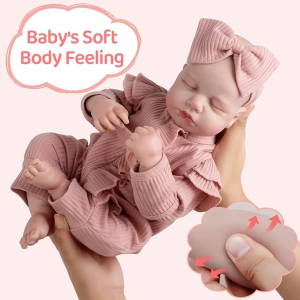
Vinyl head and limbs with a cloth body
Painted hair rather than rooted hair
Standardized sculpts and facial expressions
Mass-produced outfits and accessories
These products are widely used in education, training, therapy, and entry-level retail, where durability, safety, and consistency matter more than one-of-a-kind artistry.
For B2B buyers, this price range is attractive because it supports bulk purchasing, stable quality, and OEM branding. Reborn doll factory prices in this segment are optimized through standardized molds, efficient labor division, and scalable production—advantages that individual artists cannot replicate.
$400–$800: Mid-Range Commercial Quality Dolls
This range represents the upper tier of factory-made reborn dolls or small-batch studio production. Compared with entry-level products, these dolls often include:
Improved vinyl texture and detailing
More refined painting techniques
Better weight distribution for realism
Higher-quality clothing and packaging
These reborn dolls are commonly used by brands, specialty retailers, and photography studios. While still factory-produced, they may offer limited customization options such as skin tone, outfits, or packaging design.
For manufacturers, this tier balances cost efficiency and perceived realism, making it ideal for brand positioning in the mid-market.
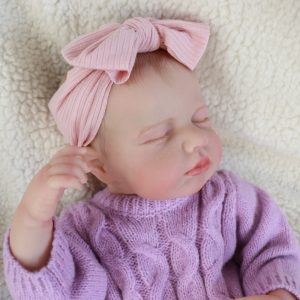
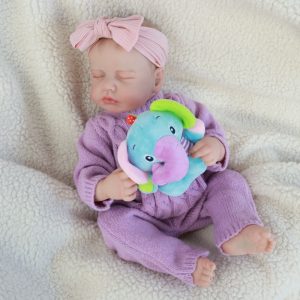
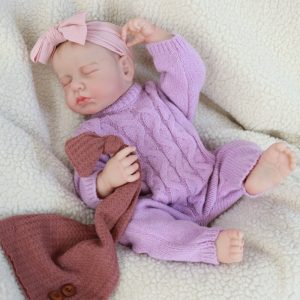
$1,500–$3,000: Premium Custom Reborn Dolls
At this level, reborn dolls often involve partial or full customization and more advanced craftsmanship. These dolls may feature:
Silicone or high-grade vinyl materials
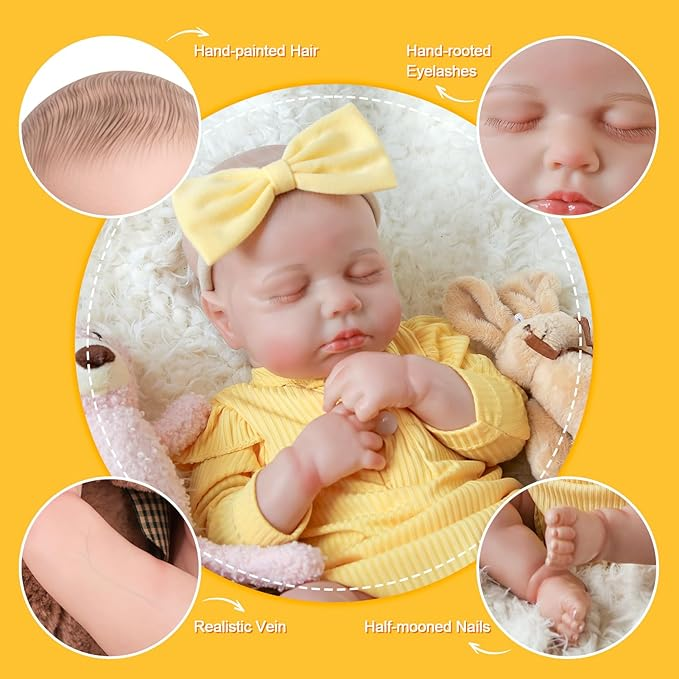
Hand-rooted hair
Custom facial painting and skin effects
Personalized features based on client requests
Production volume is typically limited, and lead times are longer. Some factories offer this tier through ODM or small-batch OEM projects, especially for brands targeting premium markets.
While still involving factory infrastructure, labor costs, material selection, and quality control significantly increase the final price.
$5,000–$8,000+: Artist-Created Reborn Dolls
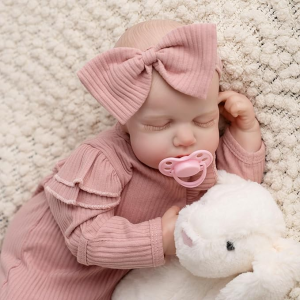
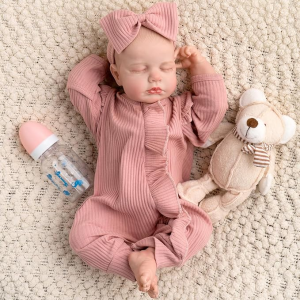
Ultra-high-end reborn dolls are usually created by individual artists or small studios, not factories. These dolls are often marketed as collectible art pieces and may include:
Fully hand-sculpted or limited-edition kits
Extensive hand-rooted hair and micro-detail painting
Long production times (weeks or months per doll)
Artist reputation embedded into the price
The high cost reflects labor intensity, artistic uniqueness, and scarcity, rather than material cost alone. While these dolls attract collectors, they are not suitable for bulk purchasing, brand expansion, or institutional use.
Why Materials and Craftsmanship Matter
Material choice plays a major role in reborn doll pricing:
Vinyl: cost-effective, durable, ideal for factory production
Silicone: softer and more realistic, but significantly more expensive
Cloth bodies: reduce cost while improving comfort for therapy and training
Similarly, craftsmanship affects price. Painted hair is efficient and consistent, while rooted hair requires hours of manual labor. Factories optimize these decisions based on target use cases rather than artistic prestige.
Why China-Based Reborn Doll Manufacturers Dominate OEM Pricing
China has become the leading source for reborn doll factory production for several reasons:
Integrated manufacturing ecosystems
Mold-making, vinyl processing, painting, sewing, and packaging can all be handled in-house.Cost-controlled skilled labor
Skilled artisans work within structured production systems, balancing quality and efficiency.OEM and ODM flexibility
Factories support private label, custom packaging, and appearance adjustments at scale.Export readiness
Compliance documentation, packaging standards, and international logistics are built into the production process.
For B2B buyers, working with a reborn doll manufacturer in China offers predictable pricing, stable supply, and customization options that artist-based production cannot provide.
Factory Price vs Artist Price: The Key Difference
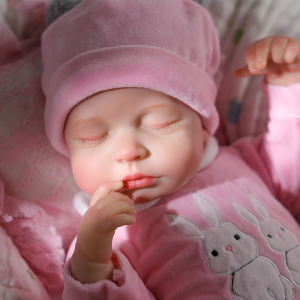
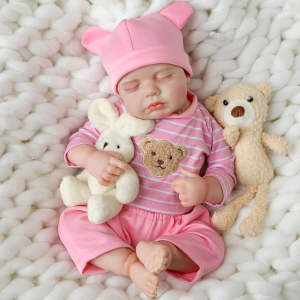
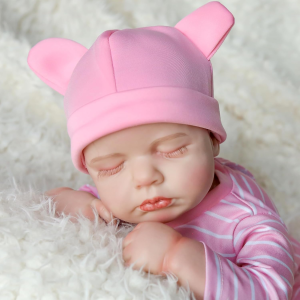
The difference between factory pricing and artist pricing is not simply quality—it is purpose.
Factories prioritize consistency, scalability, and commercial application
Artists prioritize individual expression and exclusivity
Neither model is inherently better, but they serve completely different markets.
Conclusion
So, how much does a reborn doll cost?
The answer depends on who makes it, how it is made, and why it is being purchased.
For collectors seeking unique art pieces, high-priced artist dolls make sense. For brands, institutions, and distributors, factory-made reborn dolls—especially from experienced manufacturers in China—offer the most practical balance of realism, cost control, and customization.
Understanding these differences allows buyers to make informed sourcing decisions aligned with their business goals.
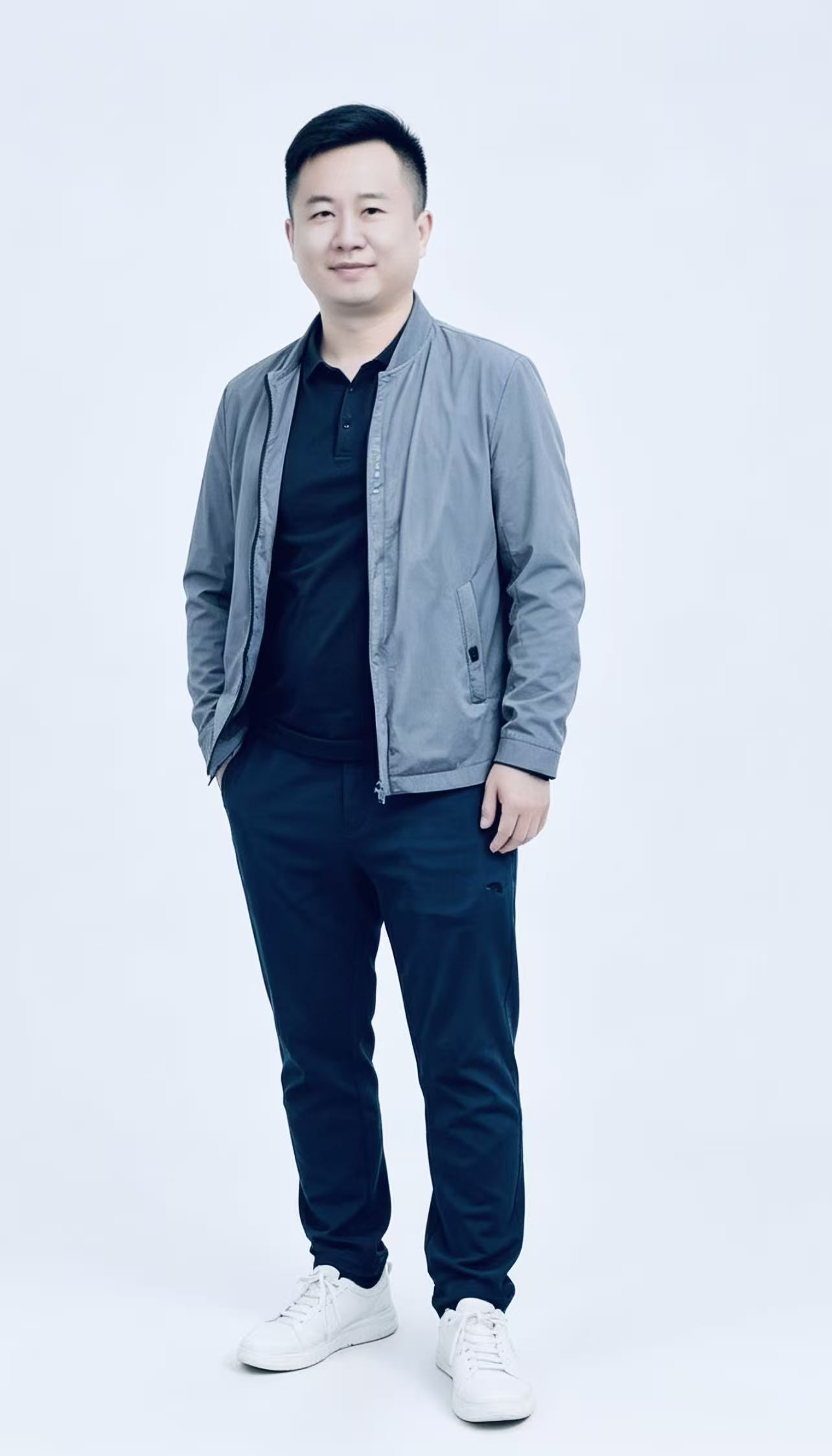
Owen is the second-generation founder of Sueban Group, a reborn doll manufacturer based in Guangdong, China. With over 20 years of family manufacturing heritage, Owen leads the company's B2B operations serving wholesalers, brands, and institutional buyers across 20+ countries.
Meet Owen →
 English
  Deutsch
  Français
  Español
  Italiano
  Nederlands