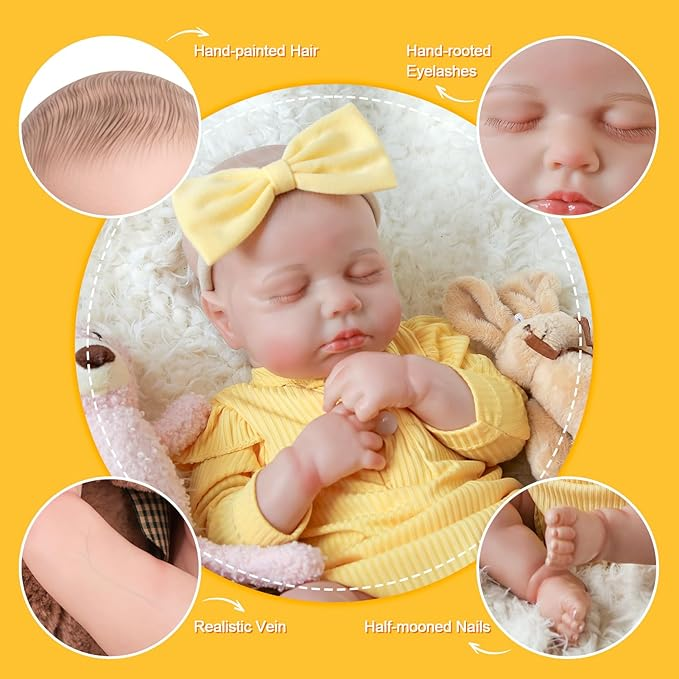
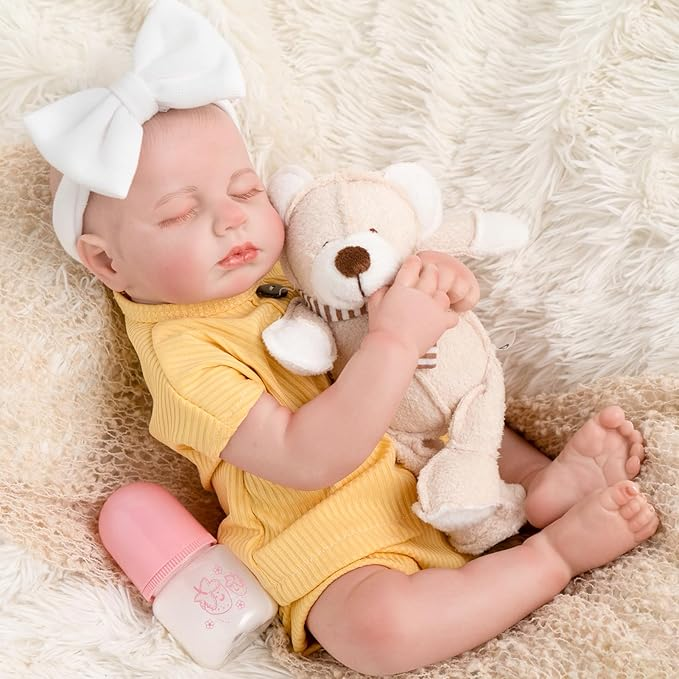
Professional Uses Explained from a Manufacturer’s Perspective
Reborn dolls are often misunderstood as purely emotional collectibles or high-end art dolls. While they are indeed valued by collectors, this perception represents only a small part of their real function in today’s global market. In reality, reborn dolls serve practical, educational, therapeutic, and professional purposes, which explains why demand increasingly comes from institutions, distributors, and brands rather than individual consumers.
From the perspective of a reborn doll manufacturer, understanding the purpose of reborn dolls is essential for product development, customization, and long-term B2B cooperation. This article explains how reborn dolls are used across industries and why factory-based production plays a critical role in meeting these needs.
Therapeutic Care and Emotional Support
One of the most widely recognized purposes of reborn dolls is their use in therapeutic and emotional care settings. Healthcare providers, nursing homes, and rehabilitation centers increasingly use reborn dolls to support:
Elderly individuals experiencing loneliness
Dementia and Alzheimer’s patients
Patients undergoing emotional rehabilitation or grief counseling
The realistic weight, gentle body structure, and calm facial expressions help trigger nurturing instincts, creating a sense of comfort and stability. Numerous care institutions report reduced anxiety, improved mood, and more cooperative behavior when reborn dolls are introduced into care routines.
From a manufacturing standpoint, therapeutic use requires specific design considerations, including soft cloth bodies, non-toxic vinyl or silicone components, and durable construction suitable for repeated daily handling. These requirements make factory production and material control essential.
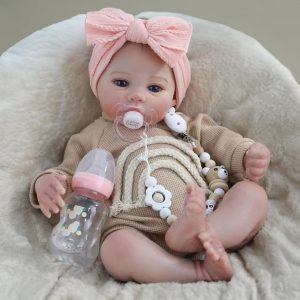
Early Childhood Education and Parenting Training
Another major purpose of reborn dolls is in education and training environments, particularly those focused on childcare and parenting skills. Reborn dolls are widely used by:
Early education centers
Parenting classes and family education programs
Caregiver and nanny training institutions
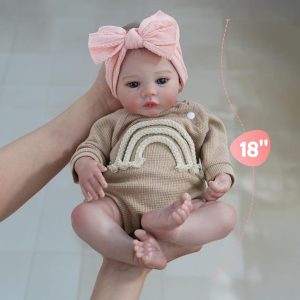
Unlike traditional dolls, reborn dolls accurately simulate the size, weight, and fragility of a newborn. This allows learners to practice safe holding techniques, feeding routines, dressing, and soothing methods in a realistic but controlled environment.
Educational institutions typically require standardized specifications, consistent quality, and batch availability, which individual artists cannot provide at scale. As a result, many organizations source reborn dolls directly from reborn doll factories that support OEM and ODM customization.
Professional Training and Simulation Use
Beyond education, reborn dolls also play an important role in professional training and simulation, particularly in healthcare-related fields. Common applications include:
Neonatal care and basic nursing training
Dementia care programs
Caregiver certification workshops
While advanced medical simulators exist, they are often expensive and complex. Reborn dolls offer a cost-effective alternative for training scenarios that focus on physical handling, emotional interaction, and caregiver response rather than medical procedures.
Manufacturers can customize internal weighting, joint flexibility, and body materials to match specific training objectives, making reborn dolls adaptable tools for professional programs.
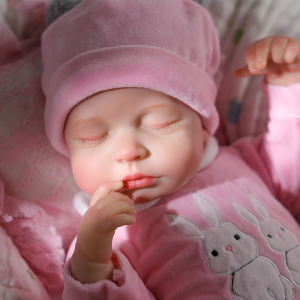
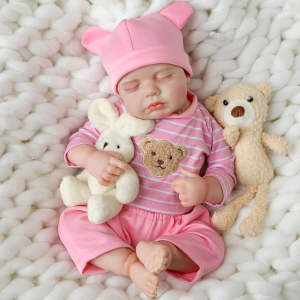
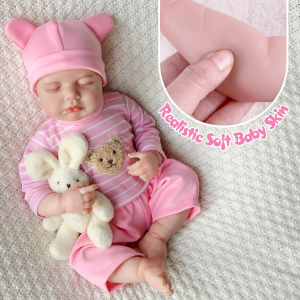
Commercial Display, Photography, and Media Production
Reborn dolls are also widely used for commercial and visual purposes, especially where working with real infants is impractical or restricted. These applications include:
Newborn and maternity photography studios
Retail window displays for baby product brands
Film, television, and advertising productions
Their lifelike appearance allows businesses to create realistic visuals while maintaining full control over scheduling, safety, and presentation. For these clients, consistency in appearance, skin tone, and styling is critical—requirements best met through factory-backed production.
Collectibles and Premium Consumer Markets
Although this article focuses on professional use, collectibles remain an important segment. Adult collectors and gift buyers value reborn dolls for their artistry and realism. However, even in this segment, many brands rely on manufacturers for:
OEM product lines
Custom sculpt development
Private label and white label production
This demonstrates how consumer demand still depends on industrial-level manufacturing support behind the scenes.
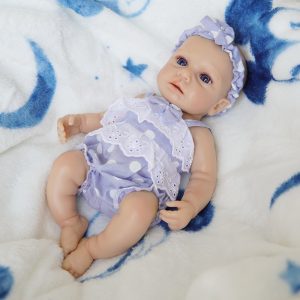
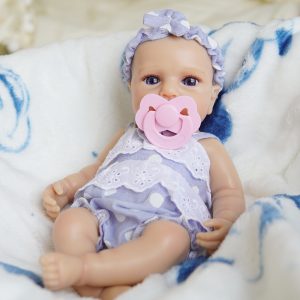
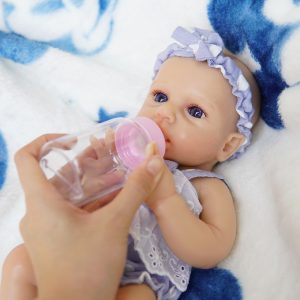
Why Reborn Doll Manufacturers Matter
Understanding the purpose of reborn dolls helps explain why manufacturers play a central role in the industry. Compared with individual creators, factories provide:
Stable and compliant material sourcing
Scalable production capacity
OEM, ODM, and private label services
Consistent quality across batches
Export-ready packaging and documentation
For B2B buyers—including distributors, care institutions, and education providers—working directly with a reborn doll manufacturer ensures reliability, customization, and long-term supply stability.
Conclusion
So, what is the purpose of reborn dolls?
They are functional tools used in therapy, education, professional training, and commercial applications—not merely lifelike replicas. As demand continues to expand beyond individual collectors, reborn dolls are becoming essential products across multiple industries, strengthening the role of experienced manufacturers and factories in the global supply chain.
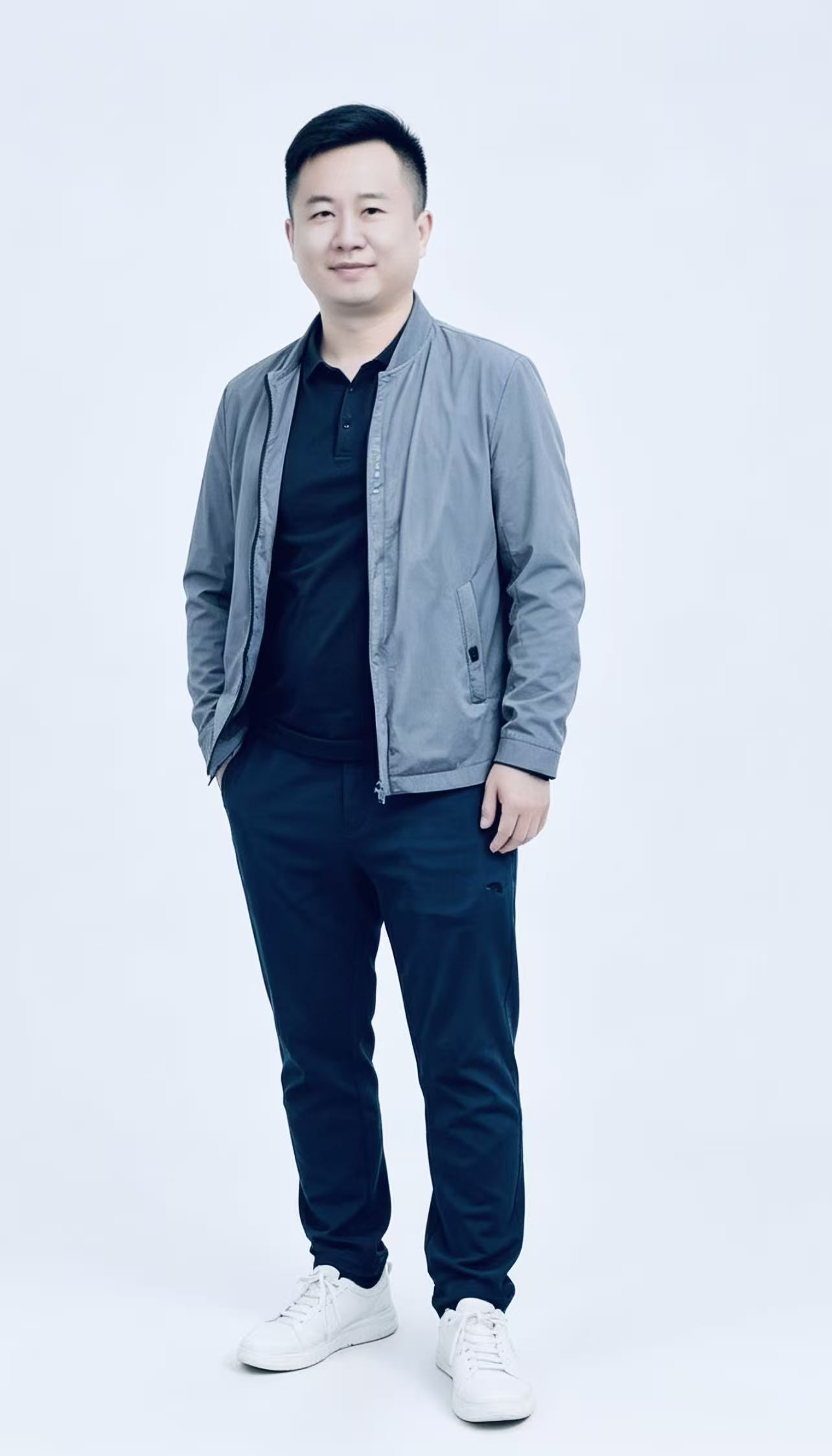
Owen is the second-generation founder of Sueban Group, a reborn doll manufacturer based in Guangdong, China. With over 20 years of family manufacturing heritage, Owen leads the company's B2B operations serving wholesalers, brands, and institutional buyers across 20+ countries.
Meet Owen →
 English
  Deutsch
  Français
  Español
  Italiano
  Nederlands