Are you struggling to distinguish between high-quality platinum-cured silicone and cheap, potentially unsafe plastics?
Selecting the right reborn doll goes far beyond just aesthetics—it is about ensuring safety for collectors, children, and therapeutic patients alike.
As a manufacturer at Sueban Group, I know that the specific materials used in production define both the realism and the chemical safety of the final product.
In this post, you’re going to learn exactly what goes into reborn doll manufacturing, from soft vinyl PVC to hypoallergenic finishes, and the critical safety standards like ASTM F963 that you simply cannot ignore.
Let’s dive right in.
The Primary Materials in Reborn Doll Manufacturing
When we develop products for the global market, the choice of base material is the single most critical decision in the manufacturing process. It defines the doll’s market positioning, price point, and safety profile. In the professional reborn industry, two dominant materials drive production: Soft Vinyl (PVC) and Platinum-Cured Silicone.
Selecting the right material is not just about aesthetics; it dictates the hyper-realistic skin texture, weight distribution, and overall poseability that collectors and therapeutic users demand.
Dominant Material Options
- Soft Vinyl (PVC): This is the industry standard for durability and versatility. It allows for rigid detailing and is often paired with soft cloth bodies in our ComfortHold™ and FlexiCare™ series. It provides a stable canvas for complex 3D hand-painting.
- Platinum-Cured Silicone: Represents the premium tier of manufacturing. Our Platinum Silicone models feature a “one-piece” construction that delivers an ultra-realistic, soft-touch feel. This material mimics the suppleness of real infant skin, making it ideal for high-end collections and emotional support applications.
The Role of Material in Realism
The material serves as the foundation for the “lifelike” experience. Platinum-cured silicone offers superior flexibility, allowing the doll’s limbs to move naturally, while high-quality vinyl ensures the longevity of intricate painted details like veins and mottling. Whether we are molding a 10-inch mini or a 22-inch toddler, the material density directly impacts the realistic weight and “cuddle factor” required for therapeutic quality.

Soft Vinyl (PVC) in Reborn Dolls
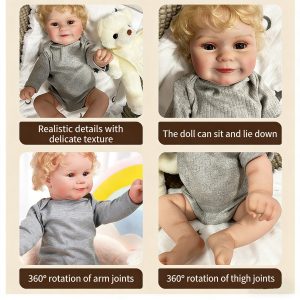
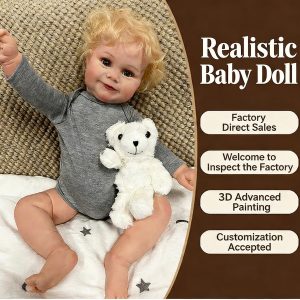
Soft vinyl PVC remains the dominant material for mass-market and collectible dolls due to its unique balance of structure and surface texture. In our manufacturing process, we utilize high-grade vinyl formulations—often branded under our GentleTouch™ series—to achieve a skin-like feel that is firm yet yielding to the touch. This material provides an exceptional canvas for hand-painted reborn features, allowing artists to apply heat-set paints (GHSP) that permanently bond with the substrate. This ensures that intricate details like subsurface veining, mottling, and blushing do not fade or rub off over time, a common issue with lower-quality plastics.
Common Applications and Durability
Vinyl is incredibly versatile, serving as the foundation for both full-body anatomical dolls and hybrid designs. We frequently pair vinyl limbs with soft cloth bodies (our ComfortHold™ design) to create a “floppy,” realistic weight that mimics a sleeping infant. This durability makes vinyl the preferred choice for dolls intended for frequent handling. Unlike silicone, which can be delicate, soft vinyl PVC withstands the rigors of changing outfits, making it the perfect match for our custom doll clothing sets without fear of tearing or friction damage.
Safety and Material Purity
While vinyl offers affordability and ease of maintenance, we are hyper-aware of the risks associated with plasticizers in unregulated manufacturing. Low-quality PVC can contain harmful phthalates used to soften the plastic. As a certified manufacturer, we strictly adhere to using phthalate-free materials that comply with global safety standards. Our vinyl production meets rigorous ASTM F963 and CPSIA requirements, ensuring that the “soft touch” comes from safe, non-toxic formulations rather than hazardous chemical additives.
Platinum-Cured Silicone in Reborn Dolls
When we talk about the absolute peak of realism in this industry, we are talking about platinum-cured silicone. Unlike standard vinyl, this material offers an ultra-soft, flexible texture that mimics the actual “squish” of a newborn baby. We often utilize silicone with a Shore 00 hardness rating, which provides that essential skin-like warmth and suppleness that collectors and therapeutic users look for.
Applications and Realism
Because this material is cast as a solid piece, it allows for full-body designs that are anatomically correct and seamless. This “one-piece” construction means the dolls are often bath-safe variants, adding another layer of interaction for the user. For example, a 16-inch silicone reborn doll made from this material moves just like a real infant, with limbs that flop naturally rather than holding a rigid pose.
Advantages and Considerations
The primary benefit here is medical-grade safety. Platinum silicone is inert and hypoallergenic, making it the safest option for sensitive environments, such as hospitals or nursing homes. However, this premium quality comes with specific trade-offs:
- Superior Realism: The translucency of the material allows for depth in painting that vinyl cannot match.
- Higher Cost: The raw materials and complex casting process make these significantly more expensive to manufacture.
- Delicate Handling: While flexible, silicone requires care to prevent tearing, unlike the more rugged nature of vinyl.
For a deeper dive into how these materials compare, understanding the nuances between 100% silicone and vinyl reborn baby dolls is crucial for making the right inventory decisions.
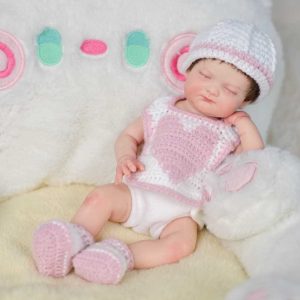
Comparison: Vinyl vs. Silicone Reborn Dolls
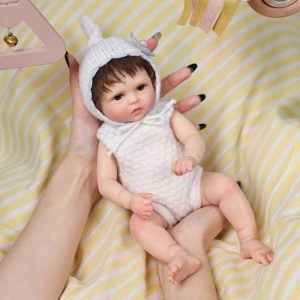
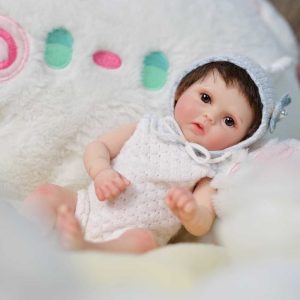
Choosing between full-body silicone vs vinyl is the most critical decision for retailers and collectors. As a manufacturer, I see distinct advantages in both materials depending on the intended use. While platinum silicone offers the pinnacle of realism, soft vinyl provides durability and affordability that drives high-volume retail sales.
Realism and Tactile Experience
Platinum-cured silicone is the gold standard for hyper-realism. These dolls are cast as a solid piece, meaning they have no joints. The material is “squishy” and moves exactly like human skin, settling into your arms with a natural, heavy slump. When you hold our full-body silicone models, they immediately adjust to your body temperature, offering a “living” feel that is unmatched.
Soft vinyl PVC, on the other hand, is firmer to the touch. Vinyl dolls are typically hollow and often paired with a cloth body to allow for movement. While they feature incredible detailing in skin texture and painting, they do not have the “jiggle” of silicone. However, our premium vinyl reborn doll collections utilize specialized trademarks like GentleTouch™ to ensure the skin feels velvety rather than plastic.
Durability and Maintenance
Silicone reborn durability care requires specific attention. Because the material is so soft, it can be prone to tearing if handled roughly. Silicone also attracts dust and lint, requiring regular powdering to keep the skin smooth and matte. However, solid silicone dolls are generally bath-safe, making them popular for specific play scenarios.
Vinyl is significantly more robust. It withstands frequent handling, dressing, and shipping without the risk of tearing. This makes vinyl the superior choice for children’s toys or high-traffic retail environments. Cleaning vinyl is straightforward, usually requiring just a damp cloth, whereas silicone requires specialized care to avoid shiny spots or peeling paint.
Weight and Poseability
- Silicone: Offers a “dead weight” feel. Since there is no internal skeleton (armature) in standard models, the limbs flop naturally like a newborn. They are heavy and require support for the head.
- Vinyl: Lighter and easier to pose. The limbs are usually jointed at the shoulders and hips (especially on cloth bodies), allowing the doll to sit up or hold a specific position for display.
Quick Comparison: Vinyl vs. Silicone
| Feature | Soft Vinyl (PVC) | Platinum-Cured Silicone |
|---|---|---|
| Tactile Feel | Firm, velvety, hollow parts | Squishy, skin-like, solid body |
| Flexibility | Jointed limbs, poseable | Flexible but flops naturally (no joints) |
| Durability | High; resistant to tearing | Delicate; requires gentle handling |
| Maintenance | Easy to wipe clean | Attracts dust; needs powdering |
| Water Safety | Not safe (if cloth body) | Bath-safe (if solid one-piece) |
| Price Point | Affordable (Mass Market) | Premium (High-End/Collector) |
| Target User | Children, Hobbyists, Retail | Serious Collectors, Therapeutic Use |



Additional Components and Their Safety Considerations
Creating a lifelike doll goes beyond just the skin; the internal components and finishing touches are critical for both realism and safety. As a manufacturer, we rigorously test every element added to the base vinyl or silicone form to ensure compliance with global standards like ASTM F963 and EN71.
Weighting Materials: Glass Beads vs. Poly-Pellets
To achieve that realistic “dead weight” of a sleeping infant, the hollow bodies of dolls must be filled.
- Reborn doll weighting glass beads: These are preferred for high-end collectibles because they provide significant density without bulk. We use fine, sand-blasted glass beads that are chemically inert.
- Poly-pellets: These plastic beads are lighter but safer for dolls intended for younger users.
- Safety Protocol: Regardless of the material, all weighting agents must be sealed within a secure, double-layered internal fabric casing. This prevents leakage, which could pose a choking hazard if the vinyl body is compromised.
Hair Application and Durability
The choice of hair material impacts both the visual realism and the safety profile of the doll.
- Hand-Rooted Mohair: Sourced from Angora goats, this material mimics fine infant hair perfectly. However, it is delicate and requires careful glue-sealing from the inside of the head to prevent shedding.
- Synthetic Fiber: High-quality synthetic hair is non-shedding and more durable, making it ideal for dolls that will be handled frequently.
- Safety Check: We ensure all hair applications are securely fastened to avoid loose strands that could be ingested by children.
Paints and Finishes
The hyper-realistic skin tones, veins, and blushing are achieved through complex layering.
- Hand-painted reborn features: Our artists use multiple layers of specialized paints to create depth and texture.
- Lead-free paints reborn: We strictly utilize non-toxic, lead-free, and phthalate-free paint systems. Whether using heat-set paints (which are cured in ovens) or air-dry acrylics, the final finish is tested to ensure no harmful Volatile Organic Compounds (VOCs) remain off-gassing from the product.
Functional Accessories
Modern manufacturing allows for interactive elements that enhance the connection between the user and the doll.
- Magnets: Strong earth magnets are often inserted behind the lips to hold magnetic pacifiers. Warning: These must be secured deeply within the vinyl to prevent detachment. Packaging must carry warnings regarding interference with pacemakers and electronics.
- Electronic Modules: Heartbeat simulators or voice boxes add realism. These components must be housed in screw-secured compartments to prevent access to batteries, adhering to strict battery safety regulations.
For a deeper look into how these components come together to create lifelike art, explore the fascinating world of reborn baby dolls and their realism.
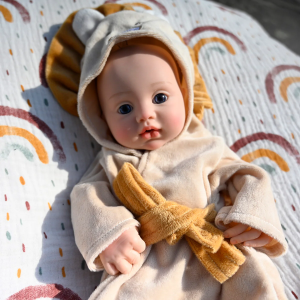
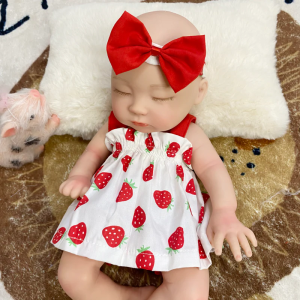
Key Global Safety Standards for Reborn Dolls
When we manufacture for international markets, compliance isn’t optional—it’s the baseline for doing business. Retailers and distributors need absolute certainty that their inventory won’t get flagged at customs or recalled from shelves. We prioritize strict adherence to global safety protocols to protect both your brand reputation and the end consumer.
United States: ASTM F963 and CPSIA
For the US market, ASTM F963 compliance is the gold standard. This comprehensive specification covers mechanical hazards, ensuring that small parts do not detach and pose choking risks, as well as flammability and chemical properties. We also strictly follow CPSIA certification requirements, which mandate a Children’s Product Certificate (CPC) for products intended for children. This ensures rigorous testing for lead content and prohibits the use of harmful plasticizers.
Europe: EN71 and CE Marking
The European market demands adherence to EN71 safety standards. This series of tests is notoriously strict regarding the migration of chemical elements (like heavy metals) and mechanical safety. Achieving the CE marking proves that the product meets all EU health, safety, and environmental protection standards, allowing for seamless distribution across the continent.
Manufacturing Excellence and Restricted Substances
Beyond product-specific tests, our facility operates under ISO 9001 standards to ensure consistent quality management across our 3,500㎡ factory. We strictly utilize phthalate-free materials and lead-free paints reborn artists and collectors can trust. Our comprehensive B2B solutions include providing full documentation and third-party testing reports (from agencies like SGS or Intertek) to verify that every doll is BPA-free and safe for handling.
of Critical Compliance:
- ASTM F963: Mechanical, physical, and chemical safety (US).
- CPSIA/CPC: Lead and phthalate limits for children’s products (US).
- EN71: Migration of elements and flammability (EU).
- Restricted Substances: Zero tolerance for toxic phthalates, BPA, or heavy metals.
How to Identify Safe, High-Quality Reborn Dolls
Sourcing inventory for your retail business requires vigilance. As a manufacturer committed to global safety standards, we know that the difference between a premium collectible and a hazardous product often lies in the documentation and material quality. When evaluating suppliers or inspecting samples, specific indicators distinguish professional-grade craftsmanship from non-compliant imitations.
Red Flags in Manufacturing
Avoid products that display these immediate warning signs:
- Strong Chemical Odors: A pungent plastic smell often indicates the presence of volatile organic compounds (VOCs) or low-grade PVC containing restricted plasticizers.
- Missing Certifications: If a supplier cannot produce a valid Children’s Product Certificate (CPC) or CE marking documentation upon request, the product likely fails US and EU safety regulations.
- Unverified Claims: Be wary of generic “safe” labels without backing from recognized testing bodies like SGS or Intertek.
Verification Checklist for Buyers
To ensure you are stocking phthalate-free materials and non-toxic doll materials, look for these specific validations:
- Explicit Material Statements: Product specifications should clearly state “Platinum Silicone” or “Phthalate-Free Vinyl.”
- Third-Party Lab Reports: Legitimate manufacturers provide test reports verifying compliance with ASTM F963 and EN71.
- Traceability: Reliable suppliers operate out of ISO-certified facilities where batch consistency is monitored.
Finding reliable partners is critical for your brand’s reputation. Whether you are sourcing inventory or researching the best places to buy reborn baby dolls online for market analysis, always prioritize vendors who offer transparency regarding their supply chain.
Considerations for Therapeutic and Child Use
Safety requirements shift based on the end-user.
- Therapeutic Use: For dolls used in dementia care or emotional therapy, materials must be hypoallergenic and durable enough for frequent handling.
- Age Appropriateness: Reborns intended for children must pass stricter mechanical tests to ensure small parts, like eyes or weighted beads, do not pose choking hazards.

Why Choose Certified Manufacturers Like Sueban Group
Sourcing inventory for the US market requires more than just finding a supplier; it requires a partner who understands the legal landscape of toy safety. At Sueban Group, we don’t cut corners on materials. We are strictly committed to using platinum-cured silicone and premium vinyl to ensure every product meets the highest standards of realism and safety.
Compliance You Can Trust
Retailers cannot afford compliance risks. We ensure that every batch we produce undergoes strict testing to meet global regulations. Our manufacturing process is fully aligned with ASTM F963 compliance and CPSIA certification requirements, making our dolls safe for the US market. For our European partners, we adhere strictly to EN71 safety standards and CE marking protocols.
Our rigorous testing protocols help retailers spot quality in reborn dolls before they ever reach the shelf, ensuring that no toxic substances like phthalates or lead compromise your brand reputation.
ISO-Certified Manufacturing Excellence
Consistency is key in B2B fulfillment. We operate out of a 3,500㎡ ISO-certified facility where quality control is integrated into every step, from raw material selection to final packaging. Whether we are producing a 13-inch silicone reborn doll or a custom OEM project, the standard remains the same.
Sueban Group Manufacturing Standards:
| Feature | Benefit for Retailers |
|---|---|
| Material Purity | Use of non-toxic doll materials ensures hypoallergenic safety for end-users. |
| Certified Facility | ISO 9001 certification guarantees consistent production quality and reduced defect rates. |
| Global Compliance | Ready for export with CE, CPC, and ASTM documentation provided. |
| Custom Solutions | Full OEM/ODM support for private label brands, from exclusive molds to branded packaging. |
Partnering with us means securing a supply chain that values safety as much as profitability. We handle the complexities of medical-grade silicone and vinyl production so you can focus on scaling your business.
Frequently Asked Questions (FAQs)
Are silicone reborn dolls safer than vinyl for children?
Both materials are safe when sourced from reputable manufacturers, but they offer different benefits. Platinum-cured silicone is naturally hypoallergenic, non-porous, and free from harsh chemicals, making it the top choice for therapeutic reborn dolls safety and sensitive skin. High-quality soft vinyl PVC is also safe for play, provided it is certified as phthalate-free. However, always verify age recommendations, as some realistic dolls contain small parts or magnets not suitable for very young children.
What does ASTM F963 compliance actually guarantee?
ASTM F963 compliance is the standard safety specification for toy safety in the United States. When a doll carries this certification, it guarantees:
- Physical Safety: No sharp edges or small parts that could pose choking hazards.
- Chemical Safety: Strict limits on lead, heavy metals, and restricted phthalates.
- Flammability: Materials resist catching fire easily.
This compliance is mandatory for obtaining CPSIA certification, ensuring the product is legal for retail sale in the US market.
How can I tell if a reborn doll contains toxic phthalates?
The most obvious sign of low-quality, toxic vinyl is a strong, pungent chemical odor. Non-toxic doll materials should have a neutral scent. Visually, it is impossible to detect phthalates, which is why documentation is critical. Retailers should always request a Children’s Product Certificate (CPC) or third-party lab reports from their supplier. Sourcing from a certified manufacturer for your wholesale reborn dolls inventory ensures that every batch has already undergone rigorous testing for restricted substances.
What is the difference between medical-grade silicone and standard vinyl?
The primary difference lies in structure and texture. Medical-grade silicone (specifically platinum silicone) is a solid, heavy material that offers a “squishy” realism and warms to the touch, mimicking real infant skin. It is highly durable but requires specific upkeep—refer to our complete maintenance guide for silicone dolls for details on handling. In contrast, soft vinyl PVC is typically hollow, lighter, and firmer, making it easier to pose but slightly less lifelike to the touch than solid silicone.
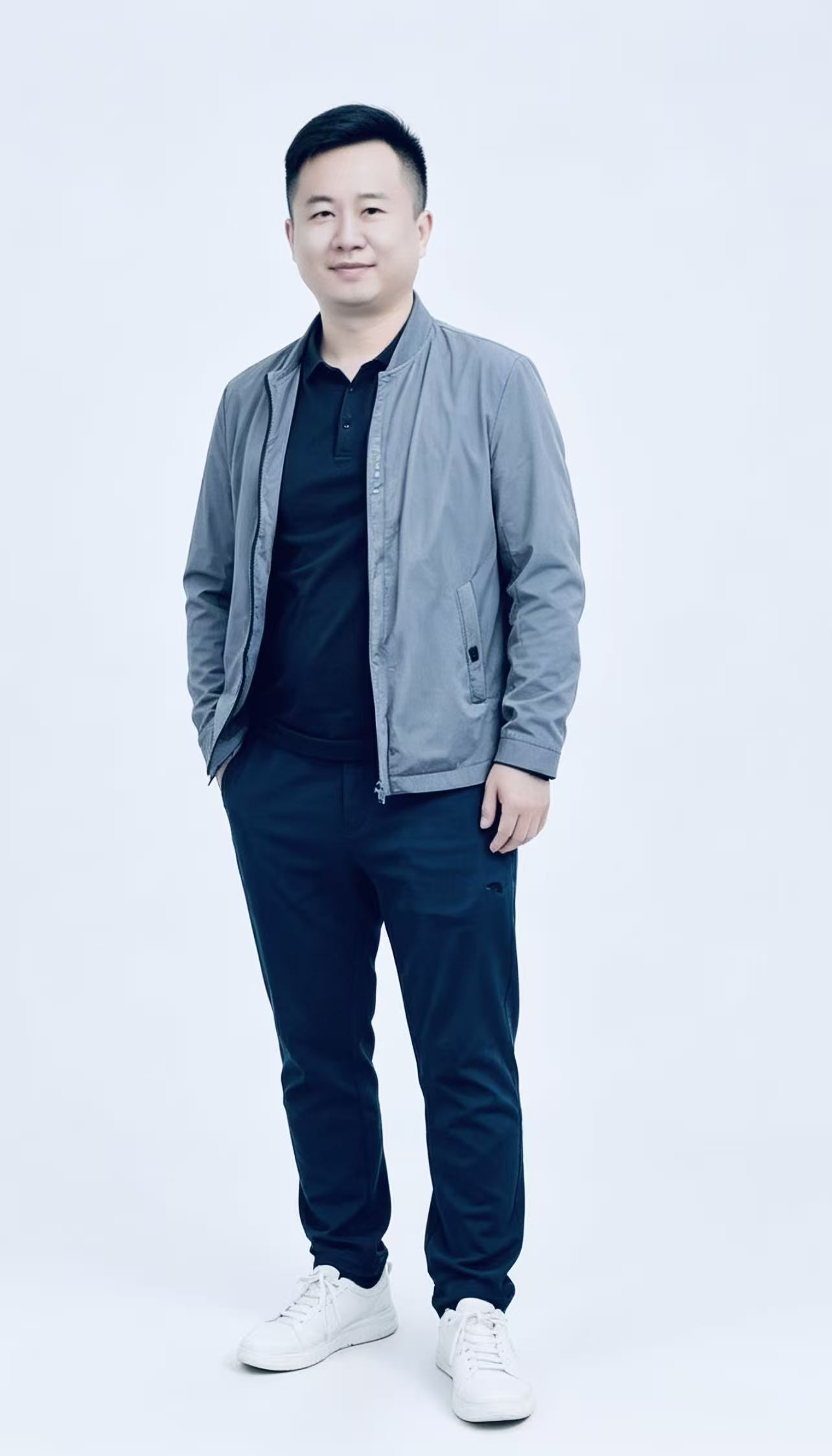
Owen is the second-generation founder of Sueban Group, a reborn doll manufacturer based in Guangdong, China. With over 20 years of family manufacturing heritage, Owen leads the company's B2B operations serving wholesalers, brands, and institutional buyers across 20+ countries.
Meet Owen →
 English
  Deutsch
  Français
  Español
  Italiano
  Nederlands