Understanding Doll Therapy in Dementia Care
If you’re caring for someone with dementia or Alzheimer’s, you might wonder how non-drug options can help ease their challenges. Doll therapy is one such approach, using lifelike dolls to tap into nurturing instincts and provide comfort.
What is Doll Therapy?
Doll therapy involves giving seniors realistic dolls to hold, care for, and interact with. These dolls serve as therapeutic tools that fulfill deep emotional needs—such as the desire to nurture or feel connected—without medication. Unlike traditional toys, these dolls stimulate positive feelings through gentle care and sensory engagement.
Why Reborn Dolls Stand Out
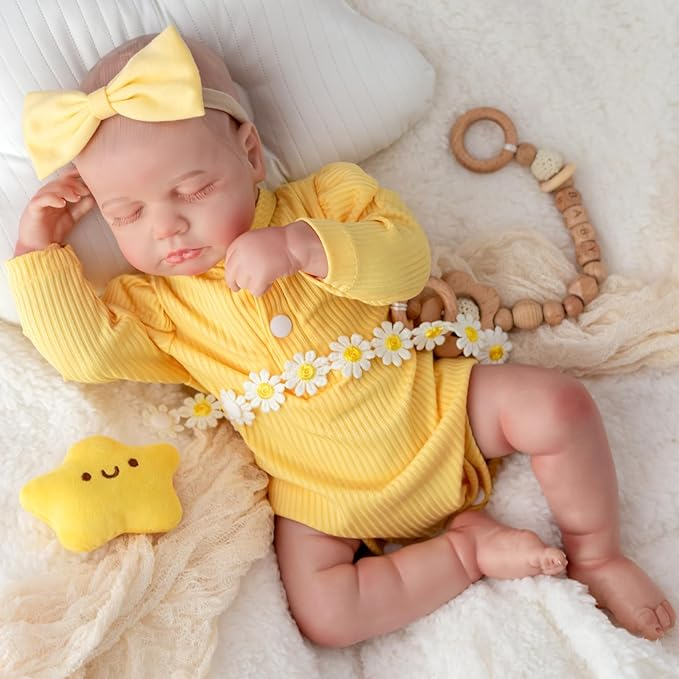
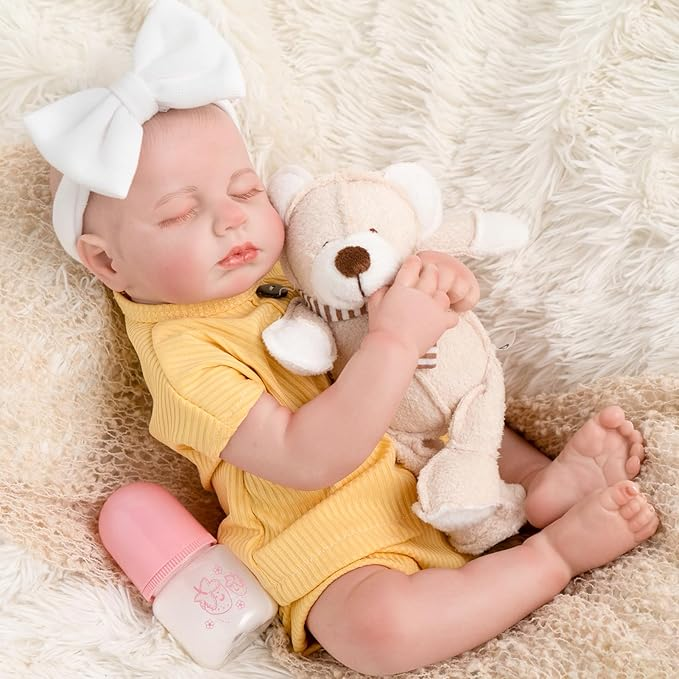
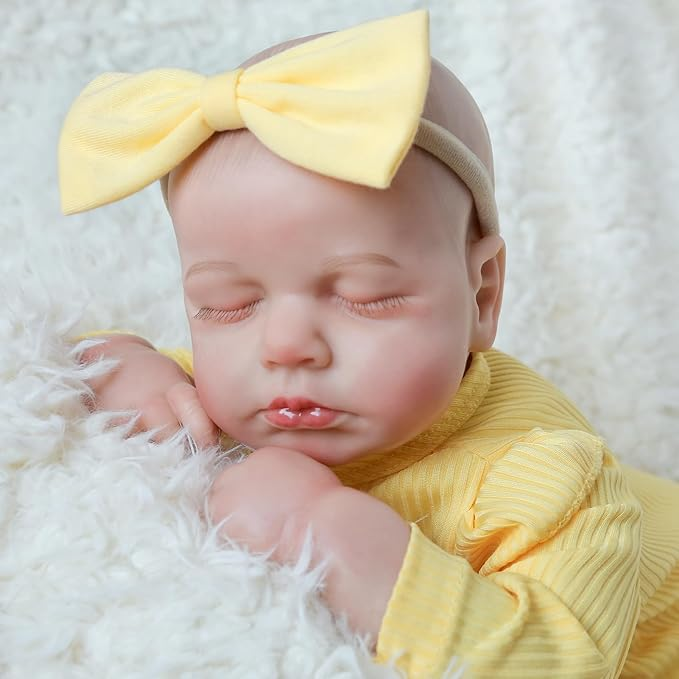
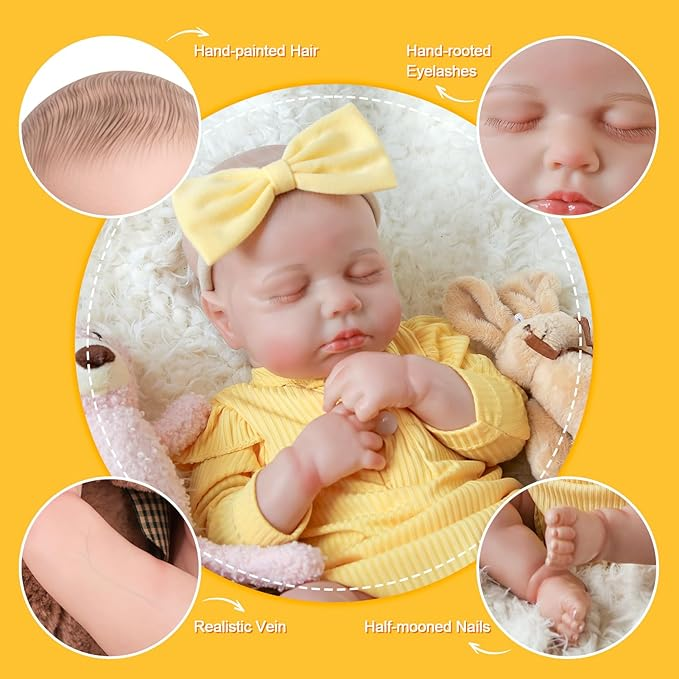
Not all therapy dolls are created equal. Reborn dolls are especially effective because they look and feel like real babies. Made from soft vinyl skin, featuring weighted bodies, and crafted with intricate facial details, these dolls offer superior realism compared to standard baby dolls or typical empathy dolls. This realism helps trigger meaningful emotional responses in dementia patients.
Who Benefits Most?
Research and care experiences show that doll therapy works best for individuals in moderate to severe stages of dementia or Alzheimer’s disease. It’s especially helpful for those with parenting or caregiving backgrounds, as the dolls can awaken memories of caring for their own children. In these cases, reborn dolls provide a unique source of comfort, reduce anxiety, and encourage gentle, purposeful interaction.
By understanding doll therapy’s place in dementia care, families and caregivers can explore new, hopeful ways to support loved ones facing daily challenges with behavioral symptoms and emotional distress.
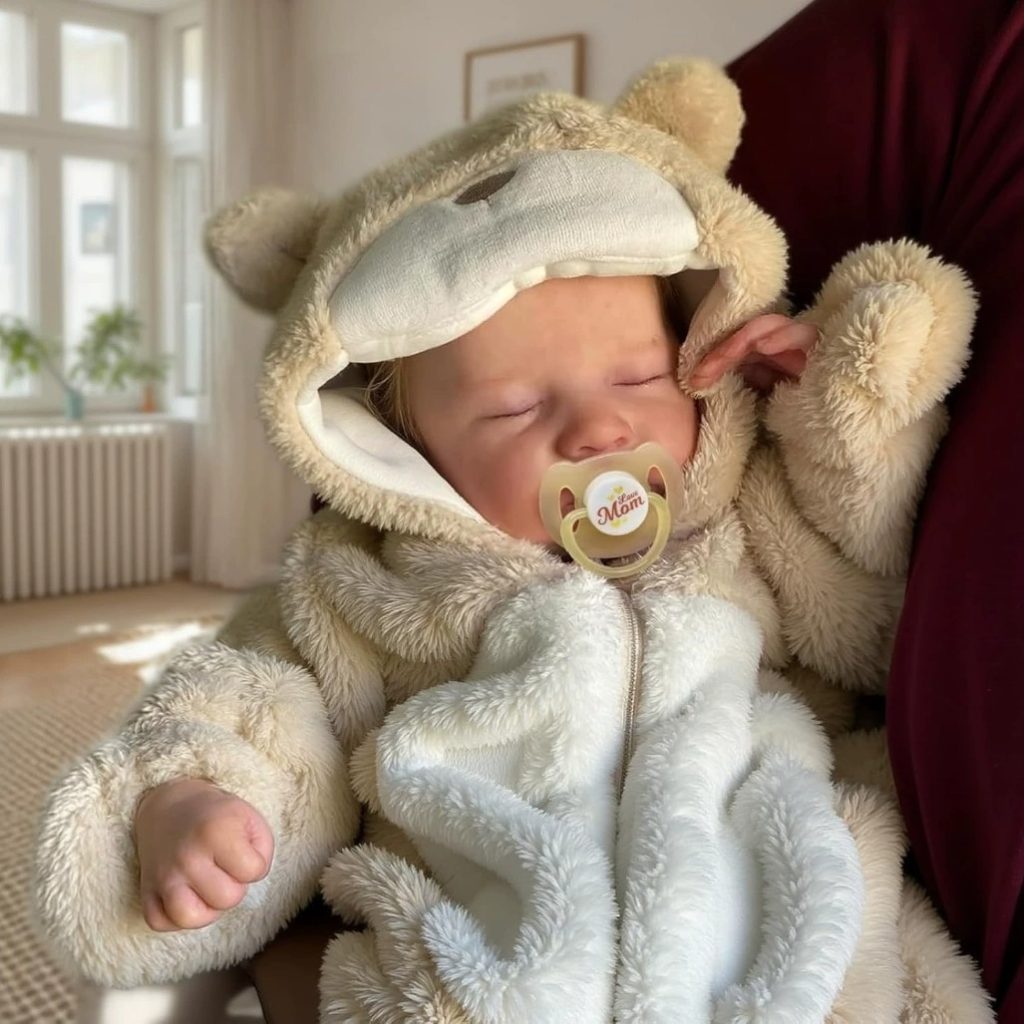
Proven Benefits of Reborn Dolls for Dementia Patients
Reborn dolls have shown real promise as part of non-pharmacological dementia interventions. Here’s a quick look at how they help:
| Benefit | Description | Evidence & Examples |
|---|---|---|
| Reduced agitation | Cuts down aggression, wandering, and irritability | Studies show fewer behavioral symptoms in care settings |
| Improved emotional well-being | Boosts mood, lowers anxiety, and gives a sense of purpose | Patients feel calmer and more content during nurturing activities |
| Better communication | Encourages talking, cuddling, and social interaction | Residents engage more in group settings and personal care |
Concrete case studies from nursing homes and hospitals report patients using reborn dolls often become calmer, showing less frustration and more relaxed behavior. This fosters happier interactions with staff and family members.
Supporting research, including systematic reviews and clinical trials, consistently highlights that these therapy dolls for elderly deliver positive outcomes in managing dementia agitation and emotional distress. This makes reborn dolls a valuable tool alongside other therapies.
For those looking for highly realistic options, custom reborn dolls designed for therapy provide the lifelike feel and appearance needed to maximize these benefits—learn more about available custom reborn dolls therapy models here.
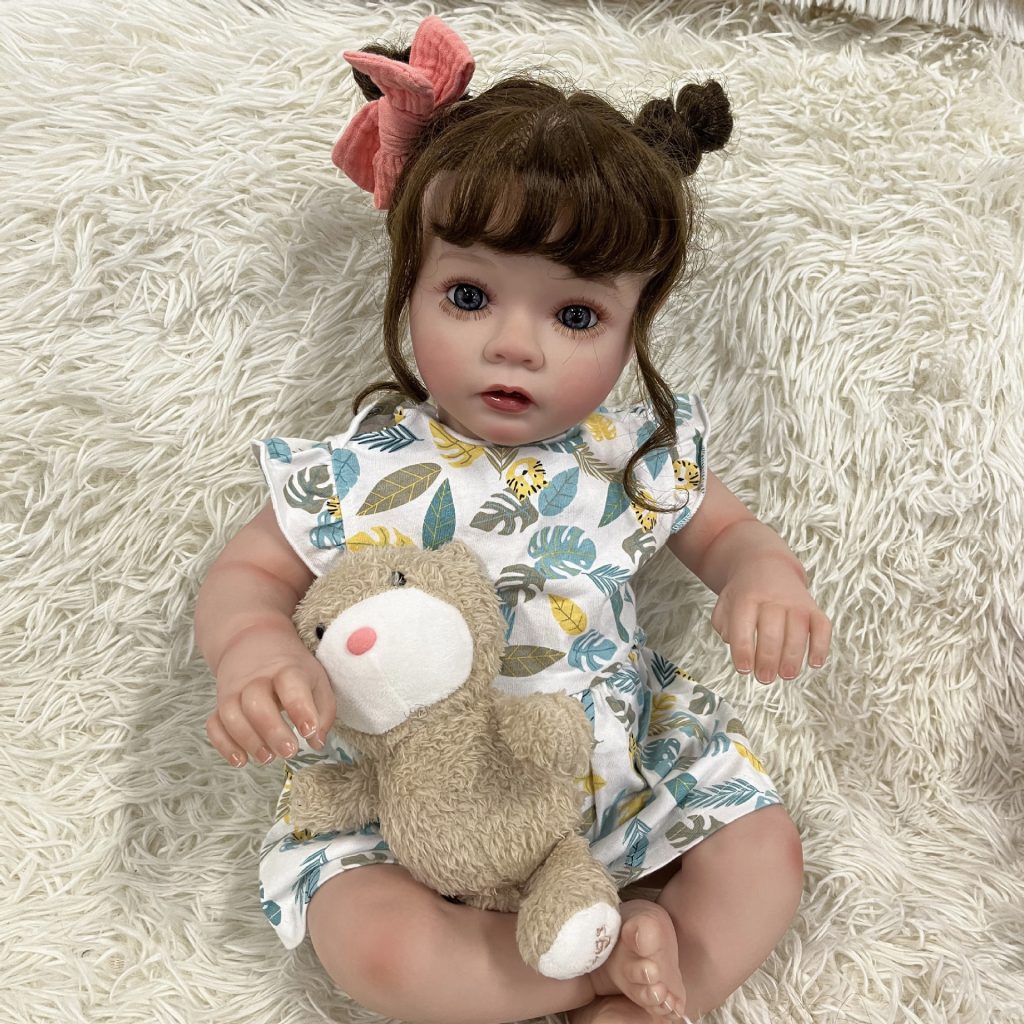
How Reborn Dolls Work as a Therapeutic Tool
Reborn dolls trigger important psychological responses in people with dementia. They often evoke attachment behaviors and bring back positive memories of parenthood or caregiving. This sense of connection provides comfort, easing feelings of anxiety or loneliness. Plus, the dolls offer sensory relief through their soft skin and weighted bodies, which mimic the feel of holding a real baby.
Daily Use in Therapy
Integrating reborn dolls into everyday routines can make a big difference. Simple activities like:
- Holding or cuddling the doll
- Dressing or undressing it
- Pretending to feed the doll
These actions promote calmness and create a sense of purpose, which can reduce dementia agitation. Making the doll part of daily memory care activities supports emotional balance and offers tactile stimulation.
| Therapeutic Role | How It Helps | Example Activity |
|---|---|---|
| Attachment Behaviors | Reduces anxiety, creates comfort | Cuddling the doll |
| Memory Recall | Evokes nurturing past memories | Dressing the doll |
| Sensory Engagement | Provides soothing tactile input | Feeding or rocking |
Combining with Other Therapies
Reborn dolls work well alongside established approaches like music therapy, pet therapy, or reminiscence therapy. Compared to these, reborn dolls are low-cost, easy to use, and accessible in various settings—from nursing homes to home care. This makes them an excellent tool in a holistic, non-pharmacological dementia intervention plan.
For caregivers and facilities looking for high-quality therapeutic dolls designed specifically for dementia care, consider options like the therapeutic silicone dolls from Sueban Group, which offer lifelike features and thoughtful design tailored to patient needs.
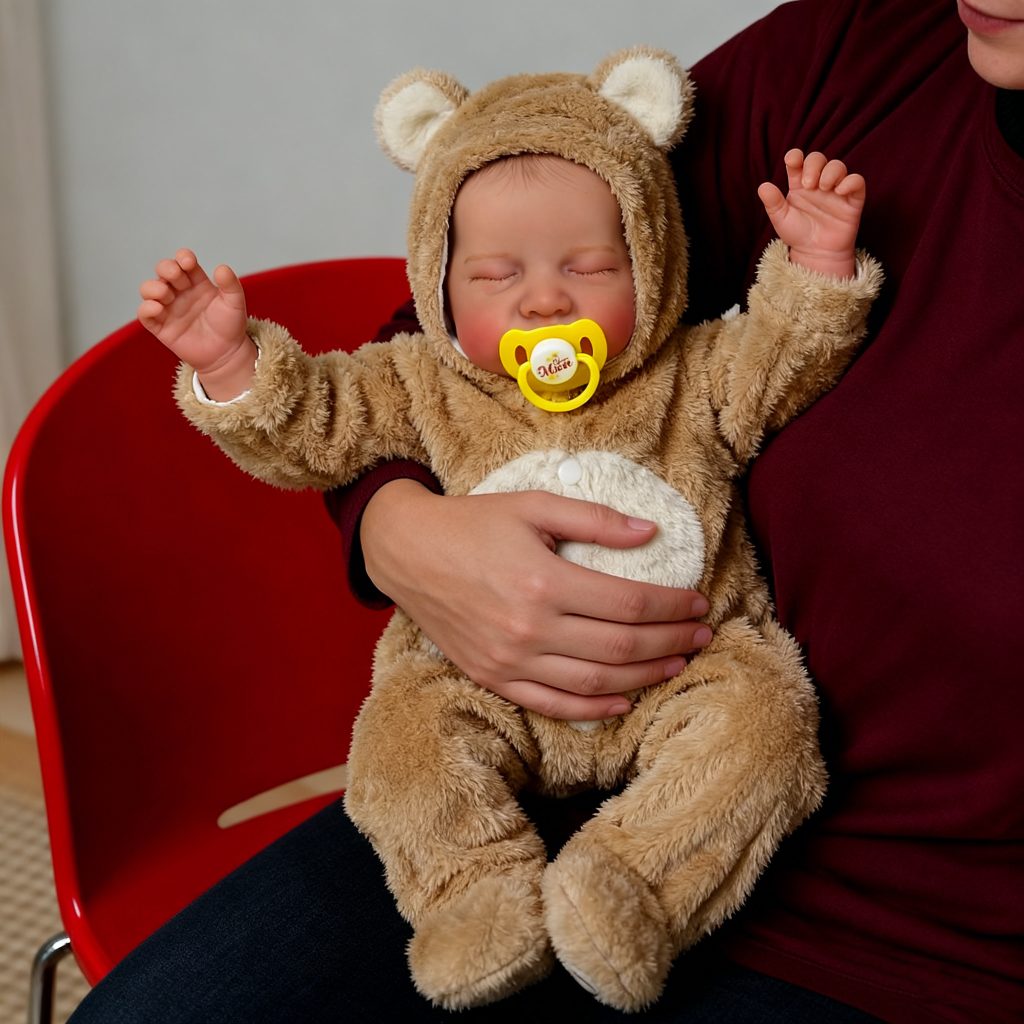
Reborn Dolls in Caregiver Training
Reborn dolls are powerful tools in caregiver training, especially for those working with dementia patients. They help build empathy and improve essential skills like gentle communication and handling agitation by letting trainees step into the patient’s shoes.
How Reborn Dolls Help Caregivers
- Practice Patience: Trainees learn to soothe and comfort through calm, nurturing actions.
- Understand Behavior: Dolls simulate reactions that mimic real dementia agitation, helping caregivers respond effectively.
- Improve Communication: Encourages non-verbal connection, crucial when words fail dementia patients.
Uses in Professional Settings
- Nursing programs include reborn dolls to give students hands-on experience.
- Memory care centers use them to train staff on patient interaction and crisis management.
- Workshops utilize dolls to demonstrate real scenarios, strengthening caregiver confidence.
Benefits for Caregivers
- Cuts down burnout by showing how non-drug methods calm patients.
- Enhances patient-caregiver trust and bonding.
- Prepares caregivers for emotional challenges through experiential learning.
Practical Tips for Training with Reborn Dolls
| Step | Action | Outcome |
|---|---|---|
| Introduce Dolls | Show realistic dolls like custom reborn dolls | Familiarizes trainees with lifelike tools |
| Role-Play | Simulate common dementia behaviors | Improve empathy and response skills |
| Feedback | Discuss trainee reactions and techniques | Reinforce best care practices |
| Routine Use | Include dolls regularly in training sessions | Build long-term caregiver confidence |
Incorporating reborn dolls into caregiver training not only sharpens skills but also supports a compassionate approach to dementia care. The hands-on experience these dolls offer makes them invaluable in professional dementia care settings.
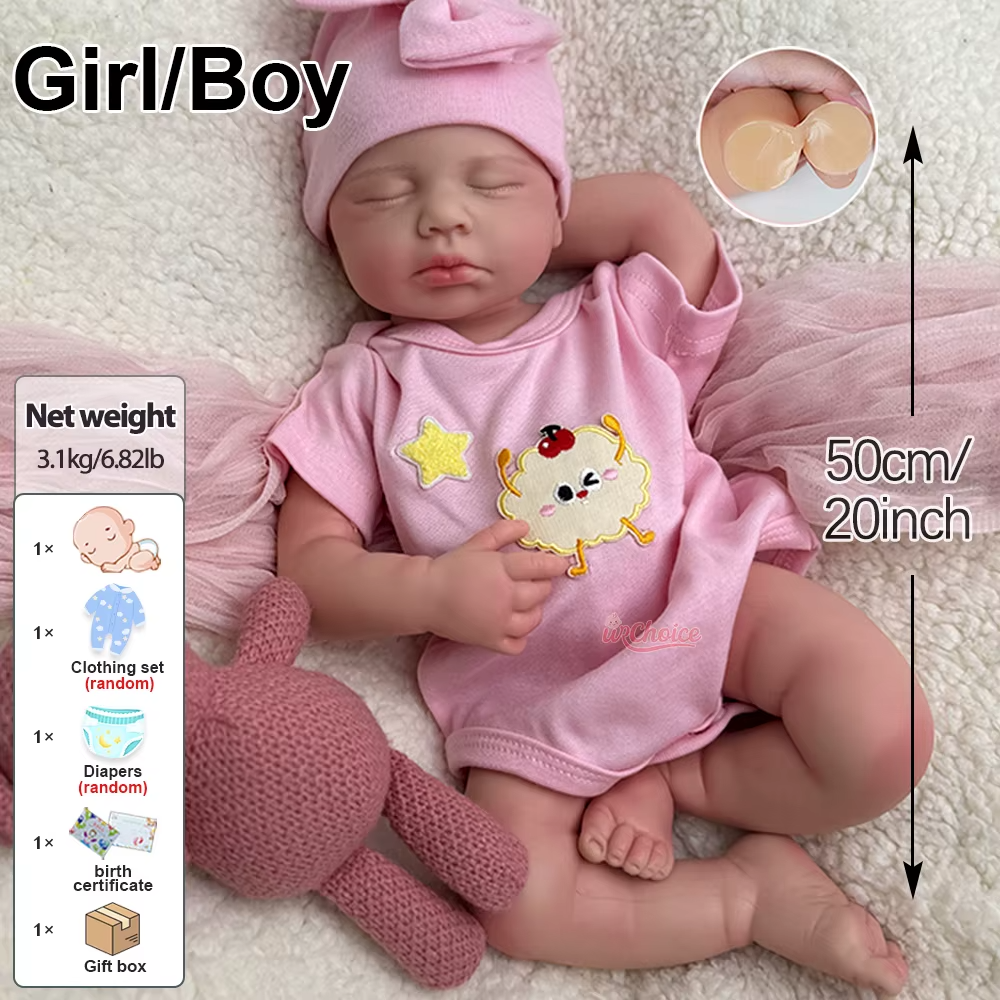
Choosing the Right Reborn Doll for Therapy
When selecting a reborn doll for dementia therapy, it’s important to focus on features that enhance realism and comfort. Look for dolls with a weighted body to mimic the feel of holding a real baby, soft skin-like materials, and open eyes that encourage engagement. Customizable options, such as different hair colors or skin tones, can also help personalize the doll to better connect with the patient.
Safety is key. Avoid dolls with magnets, especially for individuals with pacemakers, and choose dolls made from materials that are easy to clean and maintain. The doll’s level of realism should match the patient’s comfort zone—too lifelike might overwhelm some, while others may benefit from higher realism.
For those seeking high-quality therapy dolls, Sueban Group offers a range of custom reborn dolls crafted specifically with the needs of dementia care in mind. Their silicone reborn baby dolls combine realistic appearance with safety and durability, making them a trusted choice for memory care activities. You can explore their selection of 19-inch silicone reborn dolls designed to provide comfort and engagement for seniors here.
Choosing the right reborn doll can play a big role in maximizing the benefits of doll therapy for Alzheimer’s and other forms of dementia.
Potential Drawbacks and Ethical Considerations
While reborn dolls have many benefits in dementia therapy, they’re not the right fit for everyone. Some individuals might reject the dolls outright or even feel distressed by them. It’s important to respect these reactions and avoid forcing the therapy.
There’s also a stigma around doll therapy dementia — some worry it infantilizes seniors. But when used thoughtfully, the focus is on dignity and person-centered care, not treating patients like children. Reborn dolls can actually support emotional needs without losing respect for the individual.
To ensure ethical use:
- Always obtain consent from the patient or their legal guardian before introducing a therapy doll.
- Monitor reactions closely to see how the individual responds over time.
- Involve family members in the process for better emotional support and transparency.
By following these guidelines, caregivers can responsibly incorporate realistic dolls into dementia care, balancing therapy benefits with respect and sensitivity. 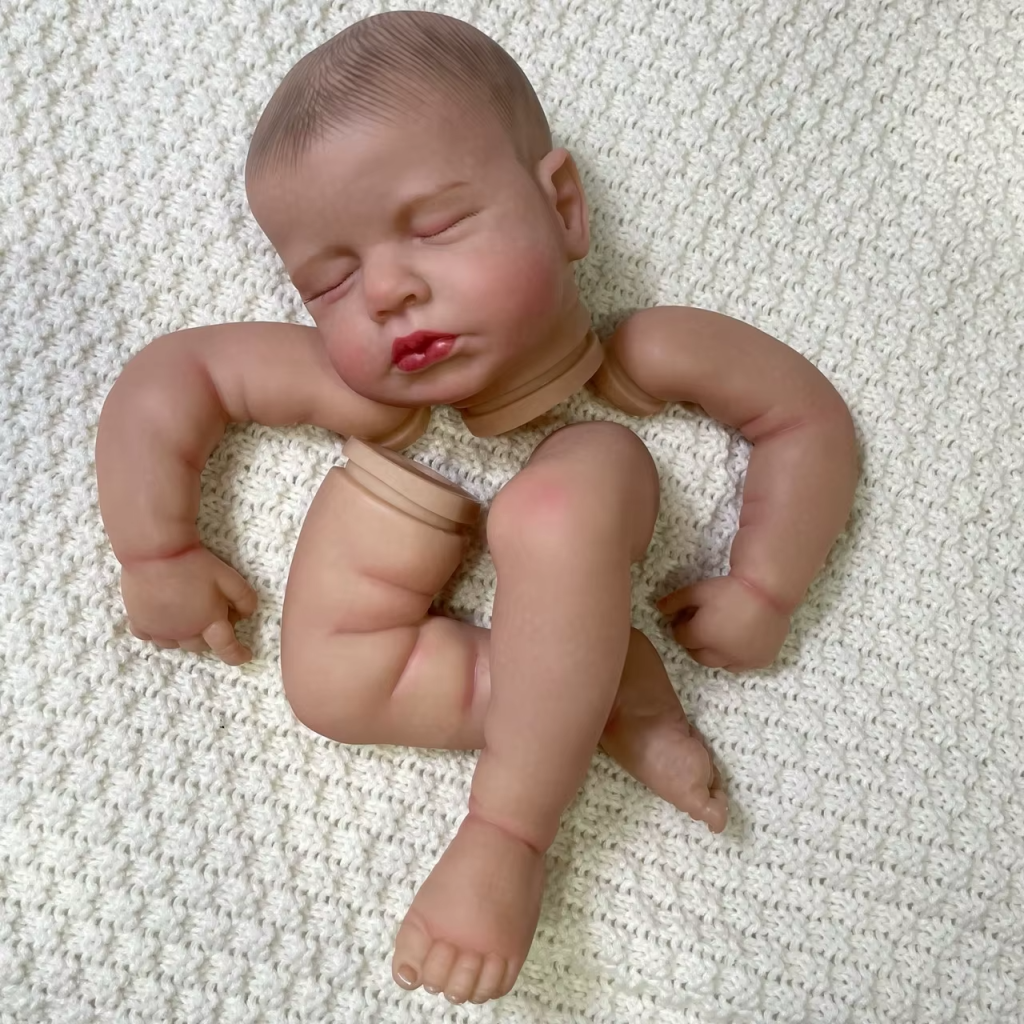
How to Introduce Reborn Dolls Effectively
Introducing reborn dolls for dementia therapy takes patience and care. Start by observing the patient’s interests and moods. Notice if they respond positively to baby-related items or show nurturing behaviors naturally. When you present the doll, do it casually—avoid forcing the interaction. Let the person hold, touch, or simply sit with the doll at their own pace. Encourage gentle engagement, like cuddling or talking to the doll, which helps build comfort over time.
For home and facility use, staff training is key. Caregivers and family members should learn the best ways to offer the doll and recognize signs of acceptance or distress. Keeping a simple progress log can track changes in mood and behavior, ensuring the doll therapy is beneficial. It’s important to pair reborn doll use with other professional dementia care supports—like music or reminiscence therapy—to create a supportive, well-rounded environment.
By combining gradual introduction, training, and complementary care approaches, reborn dolls can become a valuable tool in reducing agitation and improving emotional well-being for dementia patients.
For selecting the right lifelike doll, check out Sueban Group’s range of custom reborn dolls designed for therapeutic needs, featuring realistic details and safe materials. You can explore options like their 20-inch lifelike reborn baby doll with soft vinyl for a natural feel ideal for therapy.

Owen is the second-generation founder of Sueban Group, a reborn doll manufacturer based in Guangdong, China. With over 20 years of family manufacturing heritage, Owen leads the company's B2B operations serving wholesalers, brands, and institutional buyers across 20+ countries.
Meet Owen →
 English
  Deutsch
  Français
  Español
  Italiano
  Nederlands