
As the reborn doll market becomes more professional and segmented, B2B buyers are no longer asking only “Which doll looks more realistic?” Instead, the real question is: Which structure fits my business model, target customers, and long-term growth strategy? For manufacturers, brand owners, distributors, and institutional buyers, choosing between full-body silicone reborn dolls and partial silicone (silicone head + vinyl limbs or cloth body) is a strategic decision—not just a design preference.
This guide breaks down the difference from a factory and business perspective, covering cost, demand, buyer profiles, scalability, and why more premium brands are shifting toward full-body silicone.
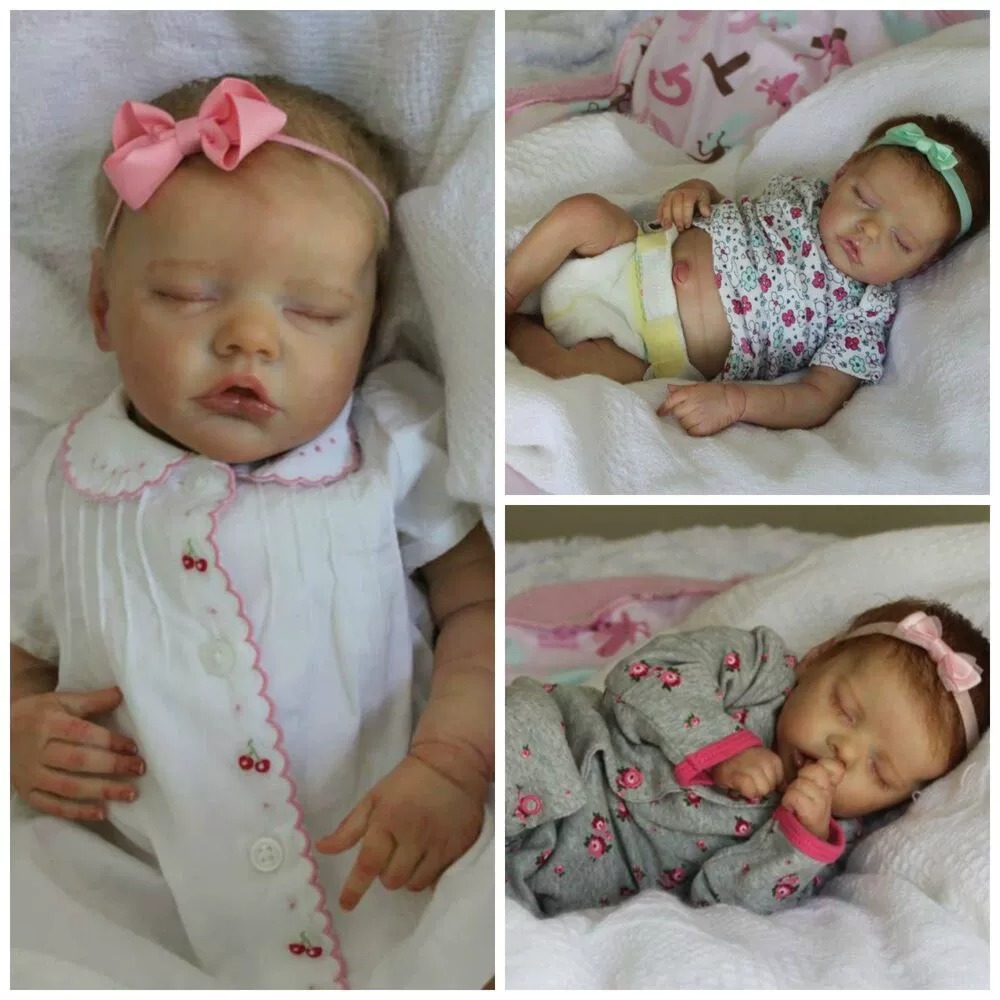
1. Structural Difference: What Does “Full Body” vs “Partial Silicone” Really Mean?
Full-Body Silicone Reborn Dolls
- Entire body made from platinum-cure silicone
- Seamless skin texture from head to toe
- Highly flexible, weighted, and lifelike
- Can support advanced features (open eyes, micro-expressions, soft tissue)
Partial Silicone Reborn Dolls
- Silicone head + vinyl limbs + cloth body (or vinyl body)
- Lower material cost
- Easier mass production
- More suitable for entry-level or gift markets
From a factory perspective, these two structures require very different production lines, mold investments, and quality control systems.
2. Manufacturing Cost Comparison: Where the Real Difference Comes From
Partial Silicone: Lower Entry Cost
Partial silicone dolls:
- Use less silicone
- Require fewer molds
- Have shorter production cycles
This structure works well for:
- Budget-focused distributors
- Promotional or seasonal sales
- Fast inventory turnover models
However, price competition is intense, and profit margins shrink quickly as the market becomes saturated.
Full-Body Silicone: Higher Cost, Higher Control
Full-body silicone dolls require:
- Larger and more precise molds
- Higher silicone consumption
- Skilled hand-finishing labor
- Longer curing and inspection cycles
But they also allow:
- Premium pricing
- Stronger brand differentiation
- Custom feature upgrades without redesigning the entire product
From a long-term view, full-body silicone supports higher lifetime value per client, especially for B2B brands.
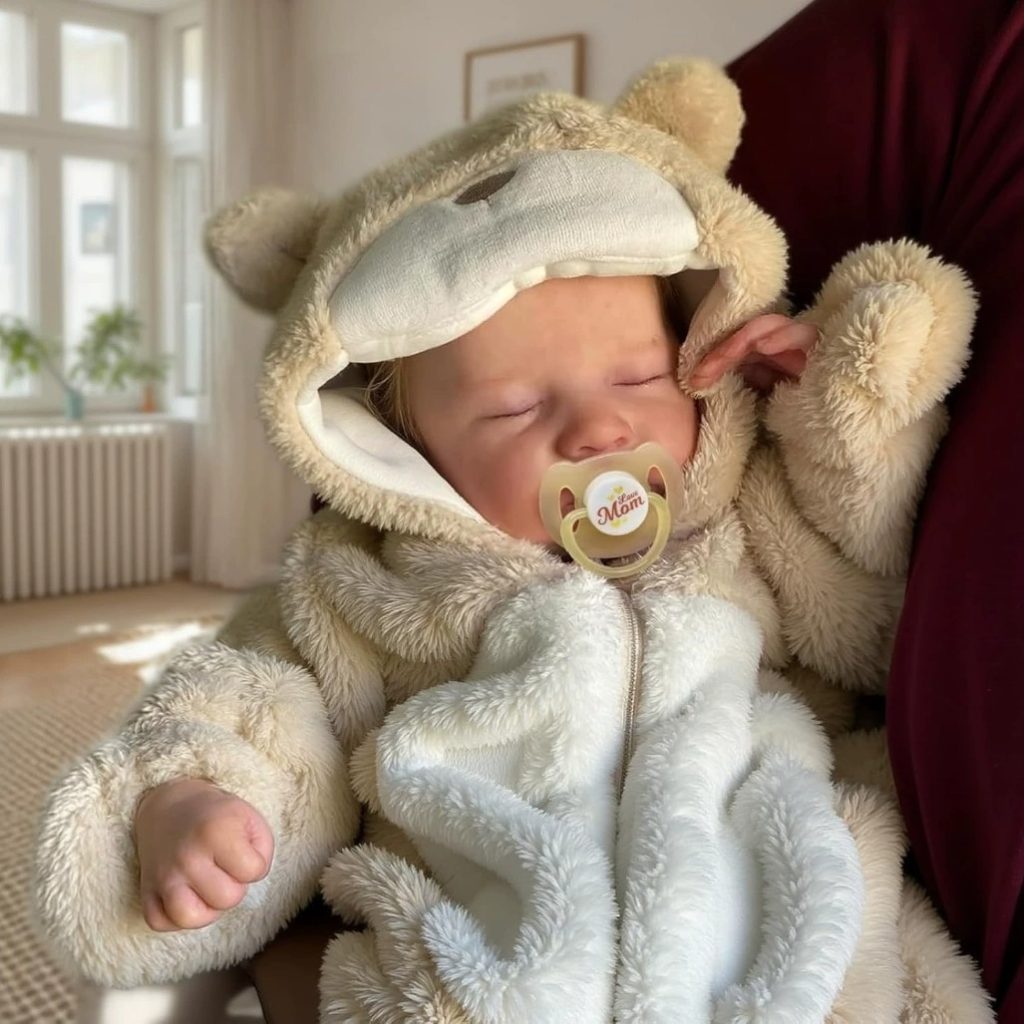
3. Market Demand Trends: What Buyers Are Actually Ordering
Partial Silicone Demand Is Stable—but Flat
Partial silicone remains popular in:
- Entry-level online retail
- Gift-focused sales
- Short-term trend products
However, demand growth has slowed due to:
- High product similarity
- Price-driven competition
- Limited customization potential
Full-Body Silicone Demand Is Growing Fast
Full-body silicone orders are increasing rapidly in:
- Premium reborn brands
- Therapy and care institutions
- Film, photography, and display industries
- Long-term brand builders
Buyers are willing to pay more for:
- Realistic skin continuity
- Emotional realism
- Custom facial features
- Structural durability
From factory order data, repeat buyers overwhelmingly shift toward full-body silicone after their first premium launch.
4. Buyer Profiles: Matching Product Structure to Customer Type
Partial Silicone Fits These Buyers:
- Dropshippers and mass retailers
- Price-sensitive markets
- New sellers testing demand
- Short product life-cycle businesses
Full-Body Silicone Fits These Buyers:
- Independent reborn doll brands
- Therapy and elderly care institutions
- Collectors and professional artists
- OEM/ODM clients building long-term catalogs
If your customer values brand identity, exclusivity, and emotional realism, partial silicone often becomes a limitation.

5. Customization Capability: Where Full-Body Silicone Wins
From an OEM/ODM standpoint, customization is where business value is created.
Partial Silicone Limitations:
- Limited structural changes
- Fewer material variations
- Less flexibility for advanced features
Full-Body Silicone Advantages:
- Custom skin softness (Shore 00-10 to 00-30)
- Integrated soft-tissue areas
- Weighted realism adjustments
- Micro-expression facial sculpting
- Open-eye or functional design compatibility
For brands, this means:
- More SKUs without new molds
- Stronger storytelling
- Protected design identity
Factories can support incremental upgrades on full-body silicone models—something partial silicone structures cannot easily offer.
6. Scalability & Brand Growth: Thinking Beyond the First Order
Many buyers start with partial silicone because of cost.
But scaling a brand requires more than affordability.
Challenges with Scaling Partial Silicone:
- Price wars reduce margins
- Hard to protect designs
- Low perceived uniqueness
- Weak customer loyalty
Full-Body Silicone Supports Long-Term Growth:
- Easier to build premium product lines
- Stronger resale and collector value
- Better institutional contracts
- Clear quality hierarchy within a brand
Factories also prioritize long-term OEM/ODM clients who invest in full-body molds, offering better development support and production stability.

7. Why More Brands Are Choosing Full-Body Silicone in 2025–2026
The shift toward full-body silicone is driven by:
- Higher consumer education
- Growth of therapy and care applications
- Demand for emotional realism
- Social media exposure of premium dolls
- Increased acceptance of higher price points
Brands that want to move away from commodity competition are using full-body silicone as a positioning tool, not just a material choice.
8. Factory Insight: How to Choose the Right Structure for Your Business
Ask yourself:
- Are you competing on price or value?
- Do you need customization and IP protection?
- Are you building a brand or moving inventory?
- Do you plan to scale SKUs over time?
A professional factory will not push one structure blindly, but help align:
- Target market
- Budget range
- Customization depth
- Production scalability
This alignment is what separates manufacturers from resellers.
Conclusion: Structure Determines Strategy
Partial silicone reborn dolls serve short-term, price-driven business models.
Full-body silicone reborn dolls support long-term, brand-focused, premium strategies.
As the market matures, buyers who want stability, differentiation, and scalability are increasingly choosing full-body silicone—and partnering directly with factories that can support that growth.
For serious B2B buyers, the structure you choose today shapes the business you build tomorrow.
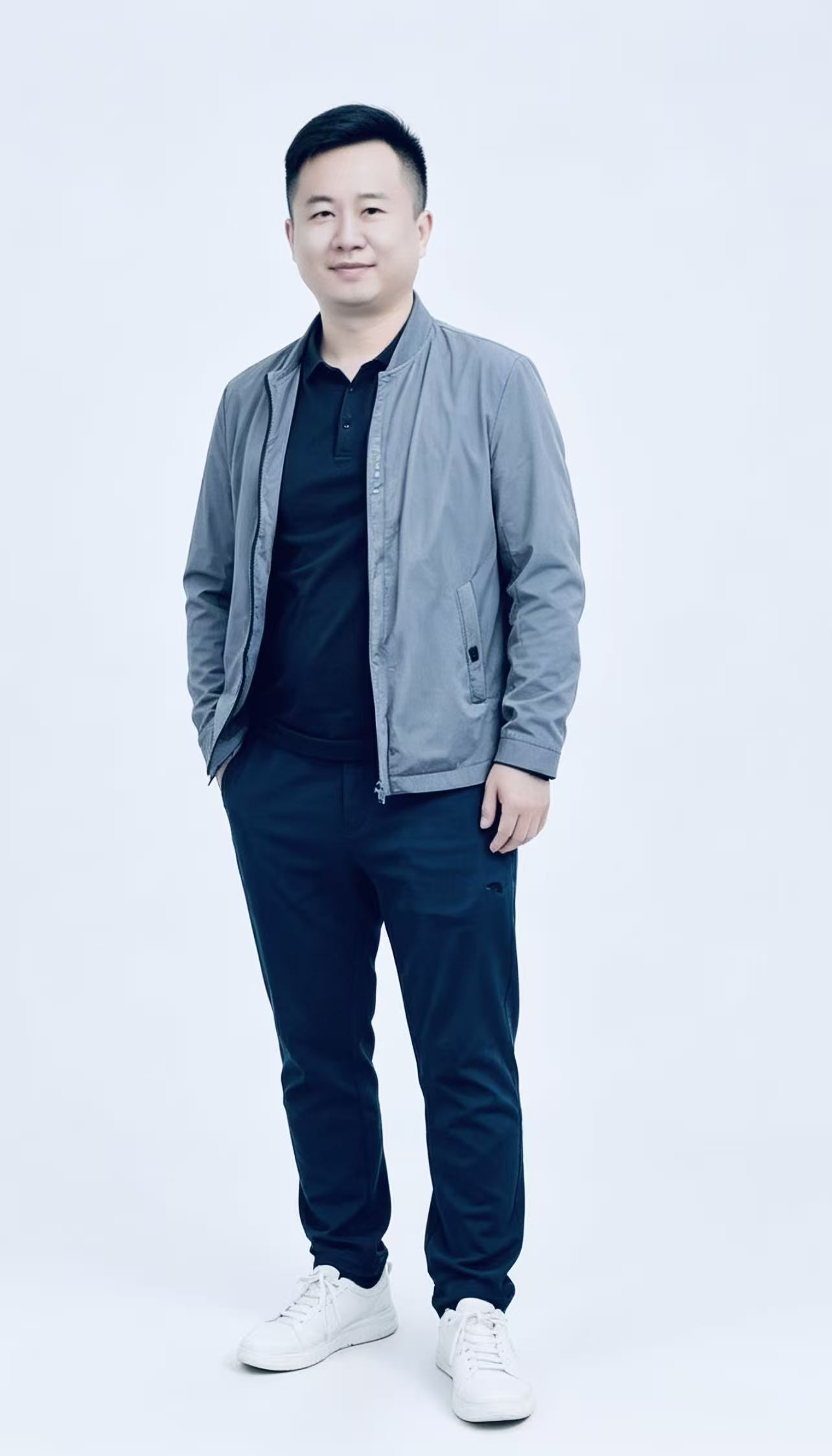
Owen is the second-generation founder of Sueban Group, a reborn doll manufacturer based in Guangdong, China. With over 20 years of family manufacturing heritage, Owen leads the company's B2B operations serving wholesalers, brands, and institutional buyers across 20+ countries.
Meet Owen →
 English
  Deutsch
  Français
  Español
  Italiano
  Nederlands