
Introduction: Why “Quality” Means Something Different at the Factory Level
When buyers search for high-quality reborn dolls, most articles focus on what customers can see after purchase—paint details, hair rooting, or packaging.
But for B2B buyers, brands, and institutions, real quality is decided long before a doll reaches the market.
At the manufacturing level, quality control is not a final inspection—it is a system.
A factory-level QC process determines whether products remain consistent across batches, whether materials stay safe over time, and whether a brand can scale without customer complaints.
This article explains how professional reborn doll factories control quality internally, why retail checks are not enough, and what serious buyers should look for when choosing a manufacturing partner.
Factory QC vs Retail Inspection: A Critical Difference
Retail inspection usually happens after production is finished.
Factory QC starts before production even begins.
Retail-Level Check | Factory-Level QC |
Visual inspection only | Process-based inspection |
One-time evaluation | Multi-stage control |
Focus on appearance | Focus on materials, structure, durability |
Cannot fix root problems | Prevents defects at the source |
For OEM and ODM buyers, factory QC is what protects your brand reputation—not last-minute inspections.
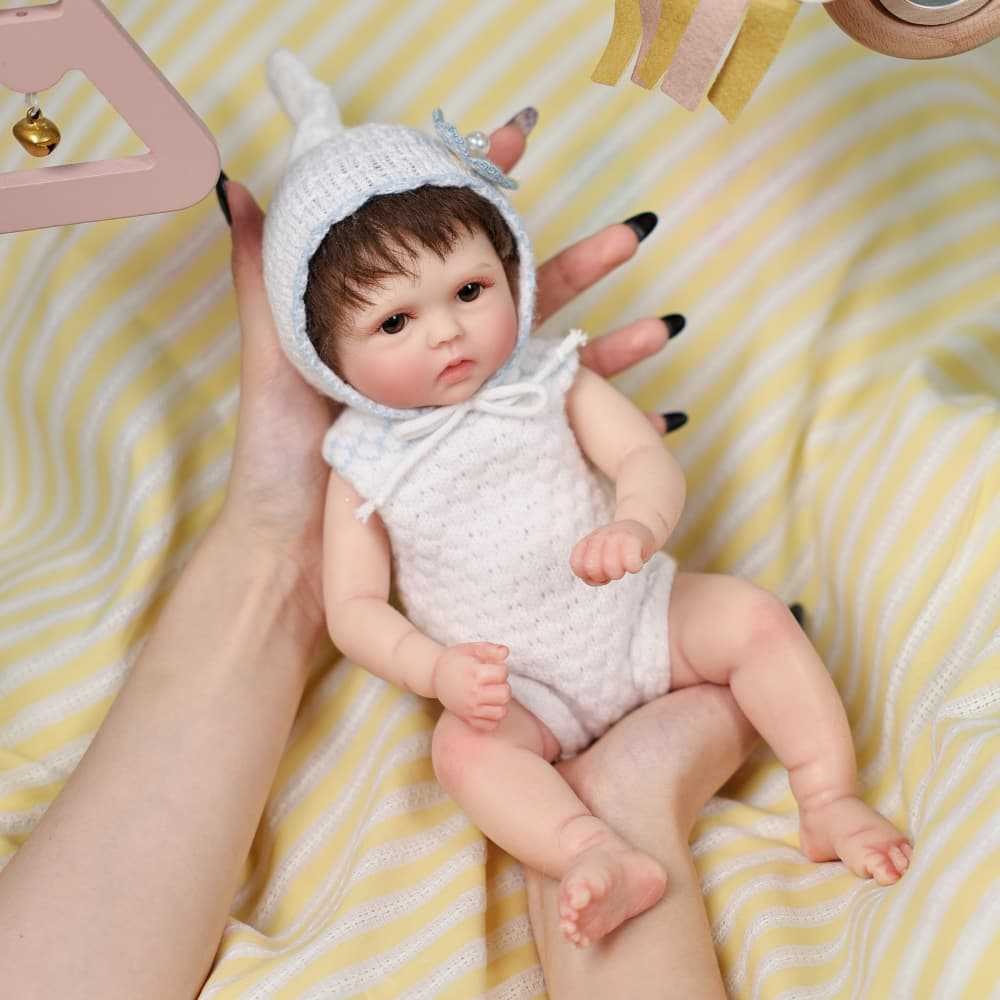
Stage 1: Raw Material Quality Control (Where Everything Starts)
At a professional reborn doll factory, raw material inspection is the first control gate.
What Is Checked at This Stage?
- Platinum silicone grade and batch consistency
- Vinyl formulation stability (for vinyl or hybrid dolls)
- Pigment safety and color stability
- Fabric quality for cloth bodies
- Internal filler materials (weight balance & durability)
At SUEBAN, all silicone materials are batch-recorded and traceable. This ensures that:
- Skin softness remains consistent
- Aging, oil seepage, or surface stickiness is avoided
- Long-term storage and transport do not degrade the doll
Factories that skip this step often produce dolls that look fine at first—but fail months later.
Stage 2: Mold & Structure Inspection (The Hidden Foundation)
Even the best silicone cannot fix a poorly designed mold.
Before casting begins, factories inspect:
- Mold wall thickness balance
- Stress points (neck, joints, underarms)
- Seam alignment accuracy
- Venting and air-release structure
Professional factories also control mold lifecycle limits, retiring molds before precision degrades.
This is one of the main reasons factory-made dolls outperform reseller-sourced products in durability and realism.
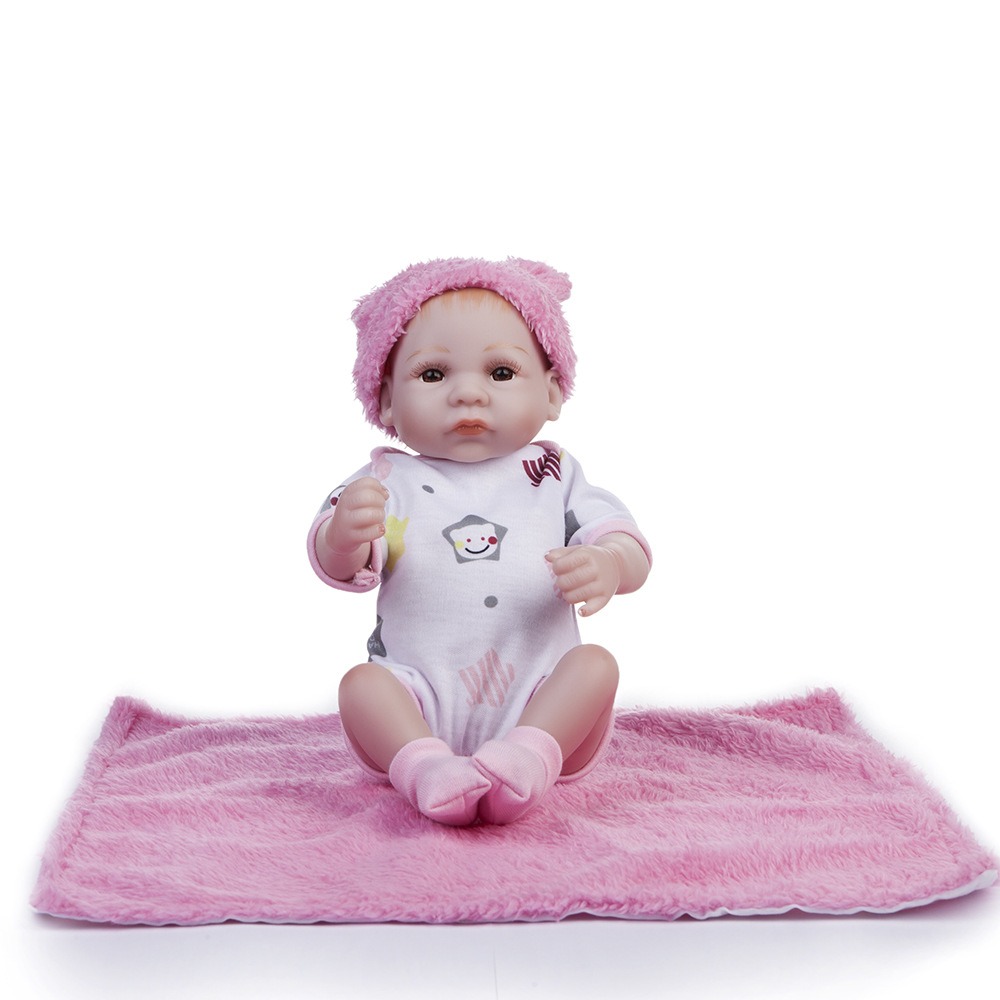
Stage 3: Casting & Demolding QC (Where Defects Are Prevented)
Casting is one of the most sensitive stages in reborn doll production.
During this phase, factories monitor:
- Silicone mixing ratios
- Degassing quality
- Pouring speed and temperature
- Curing time and environment cleanliness
After demolding, every doll is checked for:
- Surface bubbles or thin spots
- Structural weakness
- Skin elasticity consistency
Defects caught here never move forward—they are corrected or discarded before any painting begins.
Stage 4: Hand-Painting & Skin Tone Consistency Control
Reborn dolls rely heavily on realistic skin tone layering.
At the factory level, this process is controlled with:
- Standardized color references
- Layer-count guidelines
- Drying-time controls
- Batch color comparison
Instead of relying on one artist’s personal style, factories maintain controlled artistic variation, ensuring that large orders remain visually consistent.
This is essential for:
- Wholesale orders
- Therapy programs
- Retail brands with repeat customers
Stage 5: Assembly, Weight Balance & Functional Checks
Once painting is complete, dolls move into final assembly.
QC at this stage includes:
- Head rotation smoothness
- Limb flexibility and rebound
- Weight distribution accuracy
- Internal reinforcement checks
- Optional function modules (heartbeat, breathing)
Factories record defect rates per batch to continuously improve internal benchmarks.
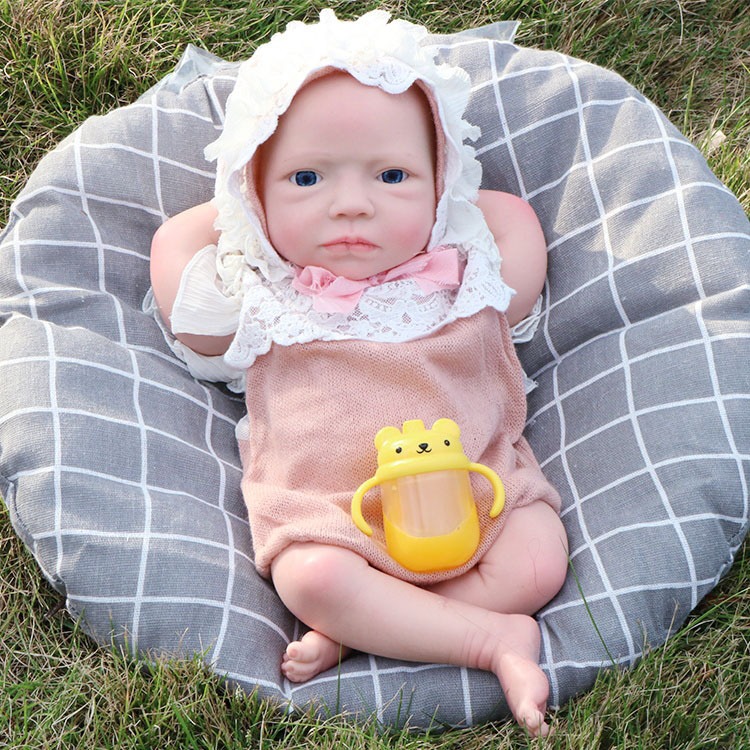
Stage 6: Final Inspection & Pre-Shipment Quality Assurance
Before packing, factories perform final checks that resellers cannot replicate:
- Randomized batch sampling
- Drop and pressure tolerance tests
- Packaging protection validation
- Photo/video inspection reports for B2B buyers
At SUEBAN, OEM and ODM clients can request:
- Batch inspection photos
- Video confirmation before shipment
- Custom QC standards based on target market regulations
Why Factory QC Matters for OEM & ODM Buyers
For B2B buyers, quality control is not just about avoiding returns—it affects:
- Brand trust
- Platform compliance
- Long-term scalability
- Institutional approval (therapy, education, care facilities)
Factories that control the entire process can:
- Maintain consistency across years
- Support private molds securely
- Adjust materials based on market feedback
This is why brands scaling beyond small batches eventually move away from resellers and work directly with manufacturers.
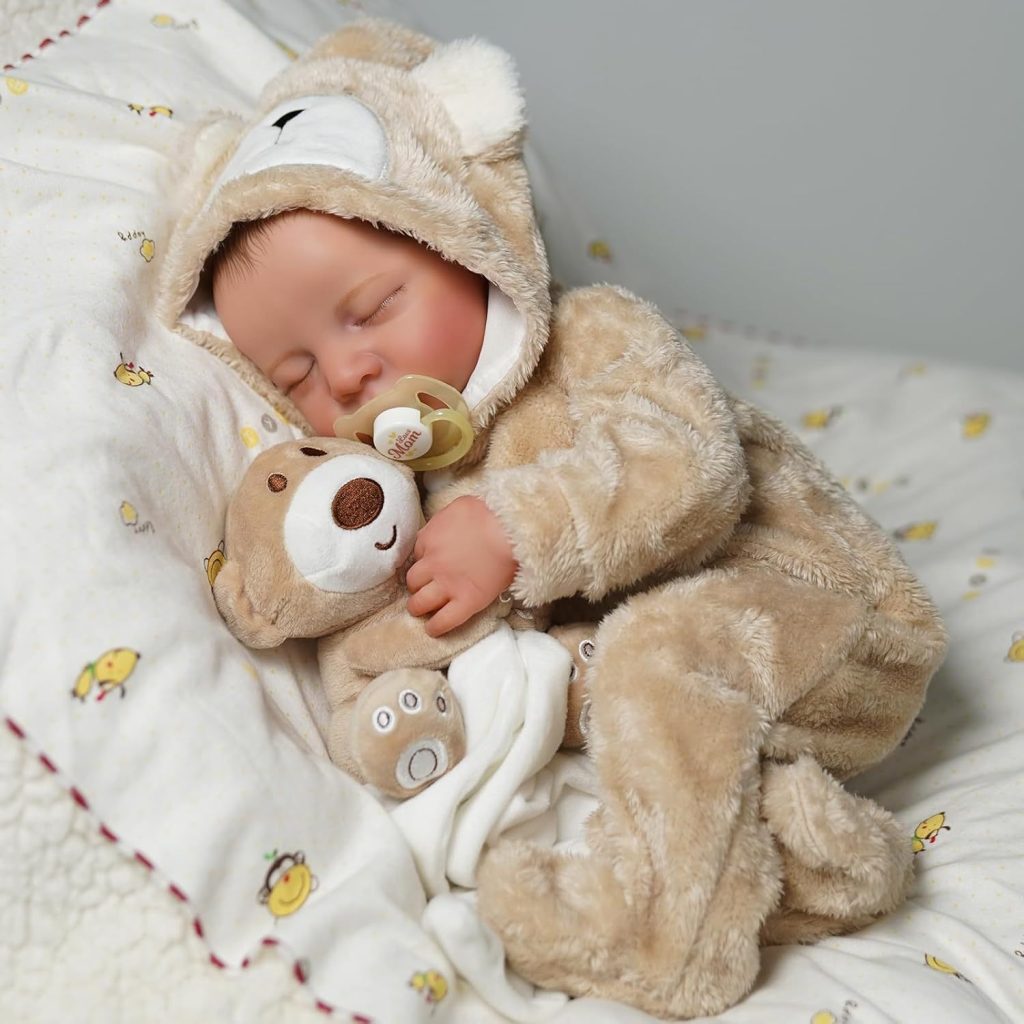
Choosing the Right Manufacturing Partner
When evaluating a reborn doll factory, ask these questions:
- Do they control raw material sourcing?
- Can they explain their internal QC stages clearly?
- Do they offer batch documentation?
- Can QC standards be customized for your market?
A factory that can explain its QC system transparently is a factory that understands long-term partnerships.
Conclusion: Quality Is a System, Not a Claim
True reborn doll quality is built step by step—through materials, molds, processes, and accountability.
Retail inspection may catch surface issues, but factory-level QC prevents problems before they exist.
For brands, wholesalers, and institutions, choosing a factory with a proven QC system is the foundation of sustainable growth.
At SUEBAN, quality control is integrated into every stage of manufacturing—supporting OEM, ODM, and private-label clients worldwide with consistency, transparency, and confidence.

Owen is the second-generation founder of Sueban Group, a reborn doll manufacturer based in Guangdong, China. With over 20 years of family manufacturing heritage, Owen leads the company's B2B operations serving wholesalers, brands, and institutional buyers across 20+ countries.
Meet Owen →
 English
  Deutsch
  Français
  Español
  Italiano
  Nederlands