
Which Is Better for Your Business Model?
When sourcing reborn dolls for wholesale, private label, or OEM/ODM projects, one of the most important decisions buyers face is choosing between full-body silicone and partial silicone (silicone + cloth body) dolls.
This choice directly affects cost structure, target customers, perceived value, and long-term scalability. For brands, distributors, and therapy-focused institutions, understanding the real differences is essential before committing to production.
This guide breaks down the comparison from a business and manufacturing perspective, not just appearance.
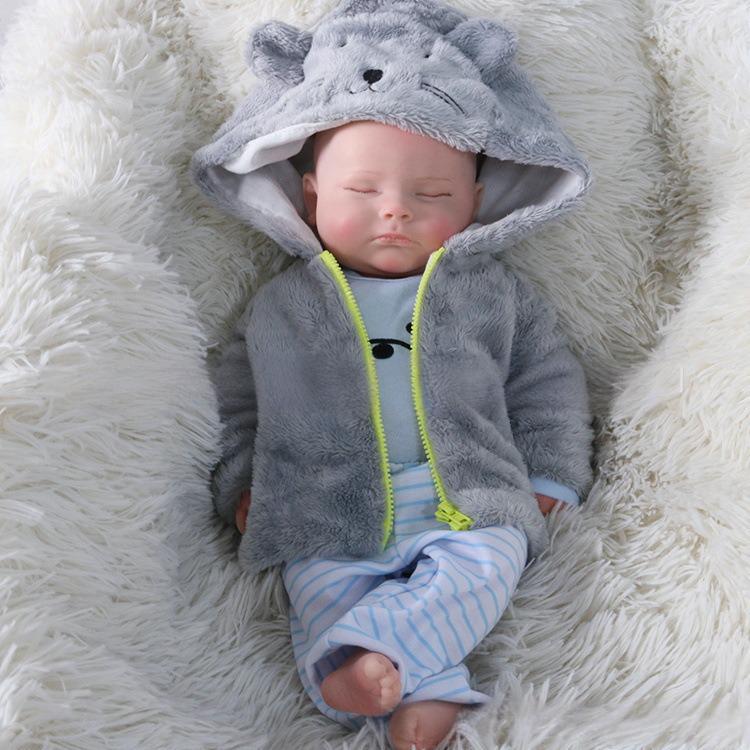
Understanding the Two Structures
What Is a Full-Body Silicone Reborn Doll?
A full-body silicone reborn doll is made entirely from platinum silicone—head, torso, arms, and legs. There is no cloth body or vinyl core.
Key characteristics:
- Seamless skin texture
- Realistic weight distribution
- Flexible limbs and torso
- Water-safe and easy to sanitize
- Higher material and production cost
These dolls are widely used in premium collections, therapy programs, film props, and high-end B2B channels.
What Is a Partial Silicone (Cloth Body) Reborn Doll?
Partial silicone dolls typically have:
- Silicone head and limbs
- Soft cloth torso filled with fiber or weighted material
Key characteristics:
- Lower production cost
- Lighter weight
- Easier handling for casual users
- Limited realism in torso and movement
This structure has traditionally dominated entry-level and mid-range consumer markets.
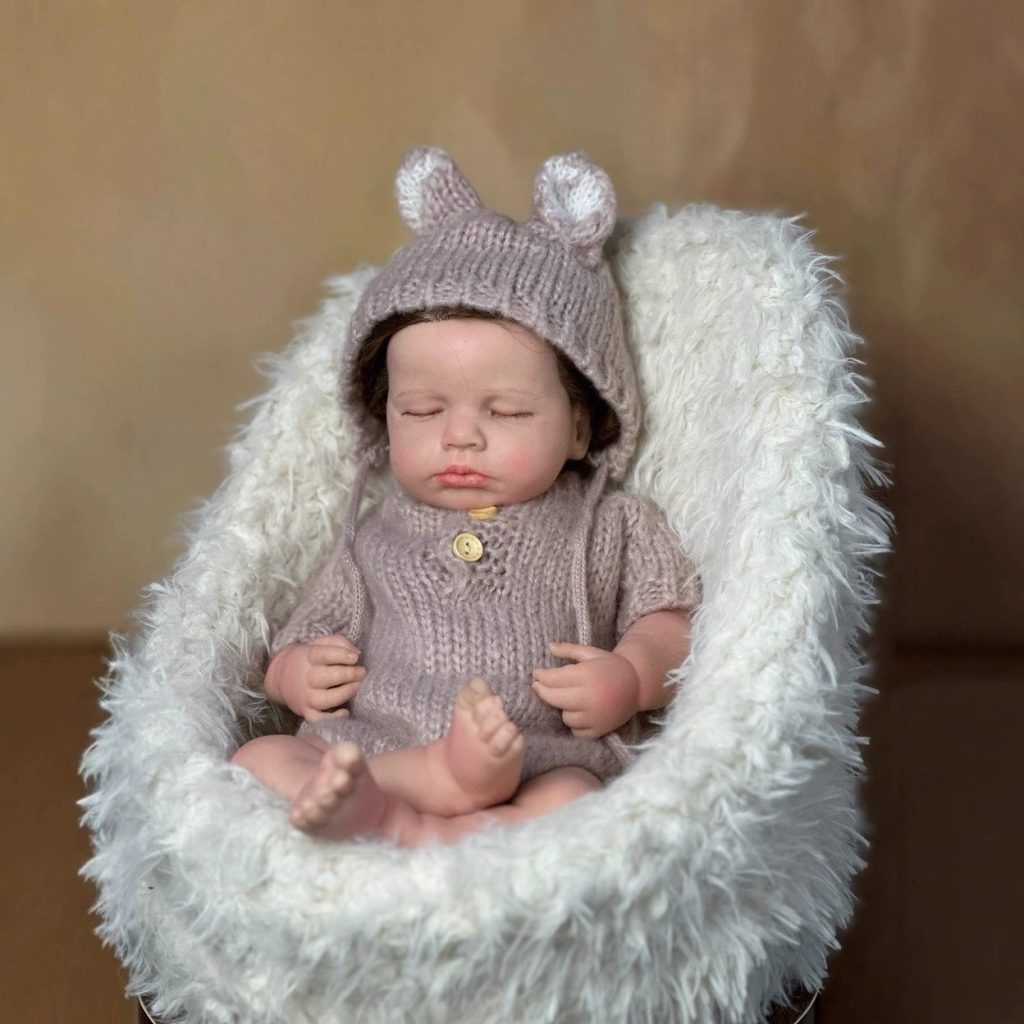
Manufacturing Cost Comparison
From a factory perspective, structure determines cost far more than paint or accessories.
Full-Body Silicone
- Platinum silicone usage: High
- Mold complexity: High
- Labor time: Longer
- Defect tolerance: Lower
- Unit cost: Premium
Partial Silicone
- Silicone usage: Moderate
- Cloth body assembly: Lower cost
- Production speed: Faster
- Unit cost: Budget-friendly
For B2B buyers, full-body silicone typically requires a higher MOQ or longer production cycle, but delivers significantly higher unit value and brand positioning.
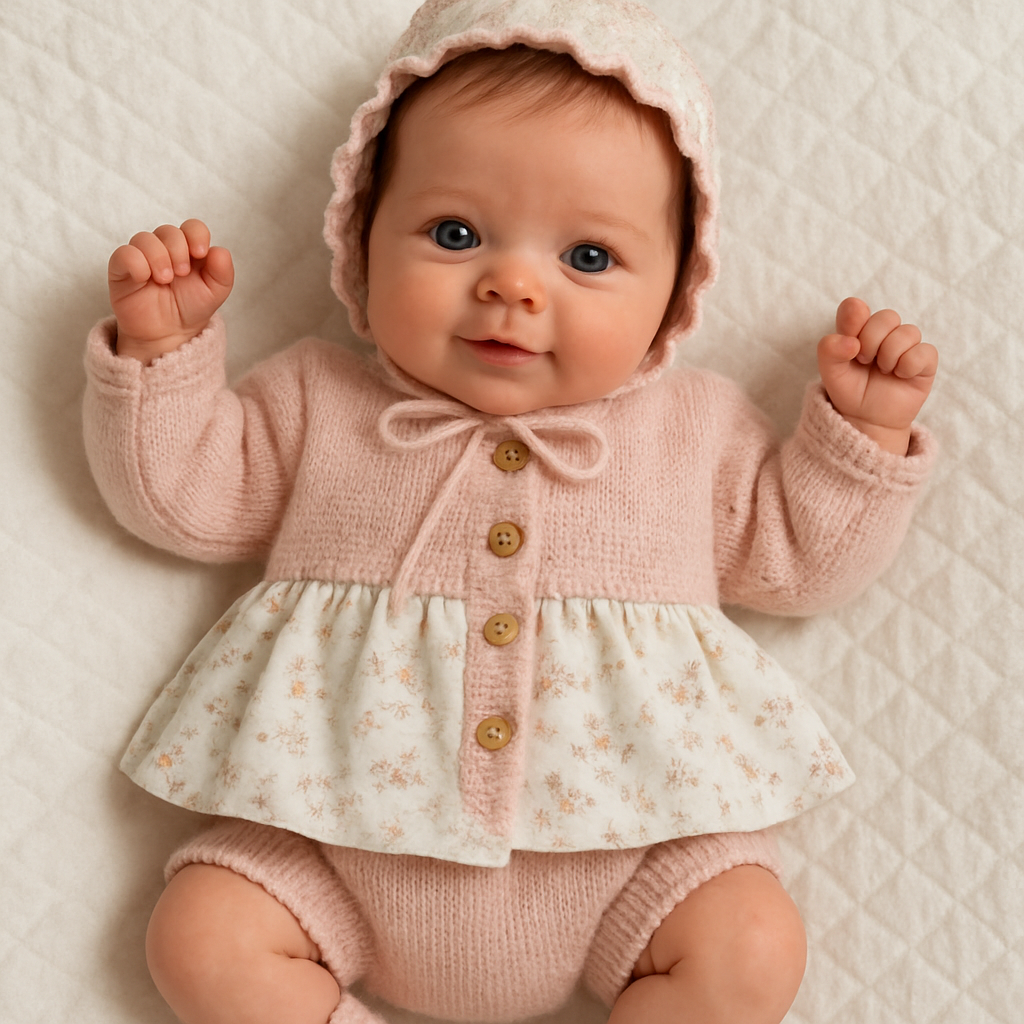
Realism & Market Demand
Why Full-Body Silicone Is Growing Faster
Over the past three years, global B2B demand has shifted toward full-body silicone due to:
- Increased expectations for realism
- Growth of therapy and care-related use cases
- Rising collector standards
- Better durability and hygiene performance
Full-body silicone allows:
- Natural posing
- Skin-to-skin realism
- Subtle body compression
- Consistent temperature feel
These qualities are difficult—if not impossible—to achieve with cloth bodies.
Where Partial Silicone Still Performs Well
Partial silicone dolls remain relevant for:
- Entry-level retail brands
- Lightweight display dolls
- Budget-sensitive gift markets
- Educational settings with limited handling
They are easier to ship, store, and price competitively, which still appeals to certain distributors.
Target Customer Segments
Choosing the right structure depends on who you sell to, not just how the doll looks.
Best Fit for Full-Body Silicone
- Premium reborn doll brands
- Therapy and dementia care providers
- Film, photography, and training institutions
- Collectors and long-term buyers
- Brands building private molds
Best Fit for Partial Silicone
- Mass retail distributors
- Online gift stores
- Entry-level reborn sellers
- Price-driven consumer channels
If your brand strategy focuses on authority, differentiation, or long-term value, full-body silicone aligns better.
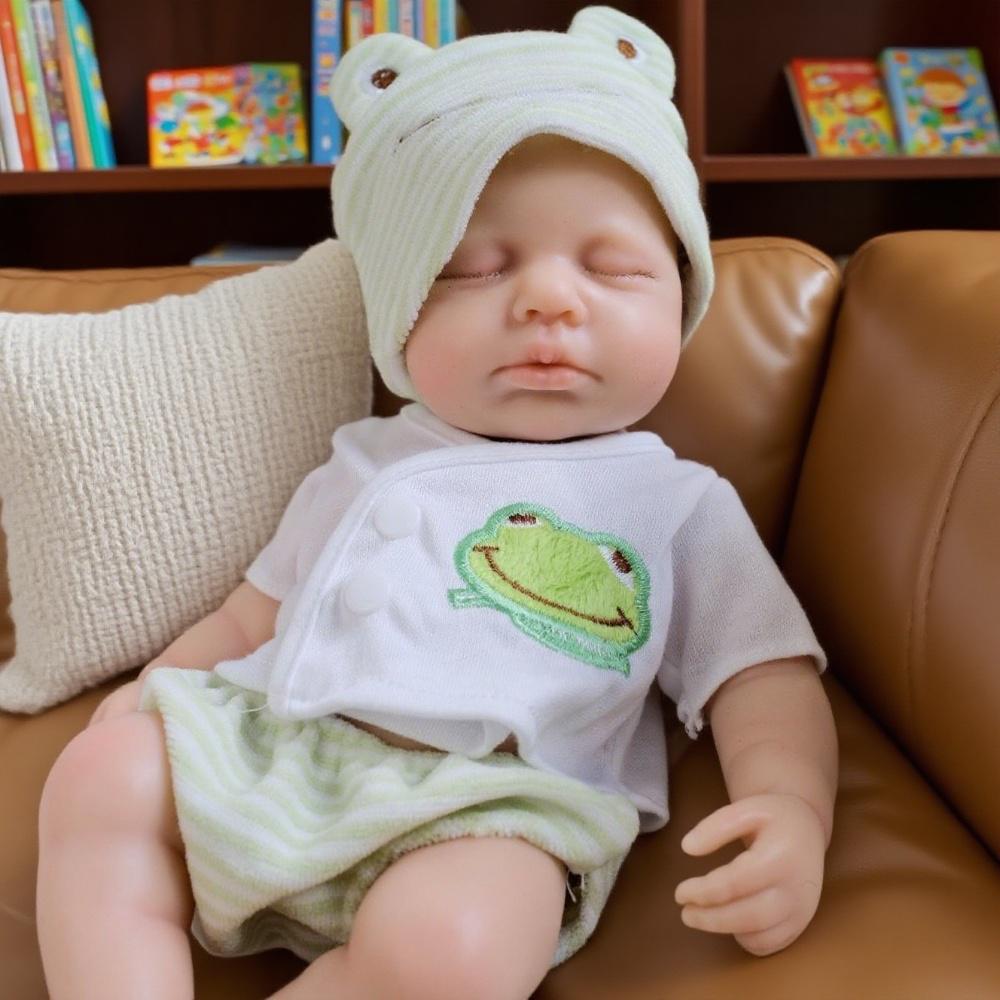
Durability, Hygiene & After-Sales
From a factory and institutional buyer standpoint, durability matters.
Full-Body Silicone Advantages
- Fully washable
- No fabric absorption
- Lower long-term maintenance
- Better suited for repeated handling
- Ideal for healthcare or therapy use
Partial Silicone Limitations
- Cloth body absorbs moisture
- More difficult to sanitize
- Internal filling degrades over time
- Higher return risk in humid environments
This is why care facilities and therapy programs increasingly specify full platinum silicone only in procurement requests.
Customization & ODM/OEM Potential
Factories can customize both structures, but full-body silicone offers more long-term flexibility.
Full-Body Silicone Supports:
- Custom Shore hardness levels
- Micro-expression sculpting
- Functional upgrades (soft belly, weighted zones)
- Private molds with IP protection
- Stable batch consistency
Partial Silicone Customization Is Limited:
- Torso shape is standardized
- Less control over body realism
- Harder to differentiate long-term
For private-label brands, full-body silicone provides true product ownership, not just surface branding.
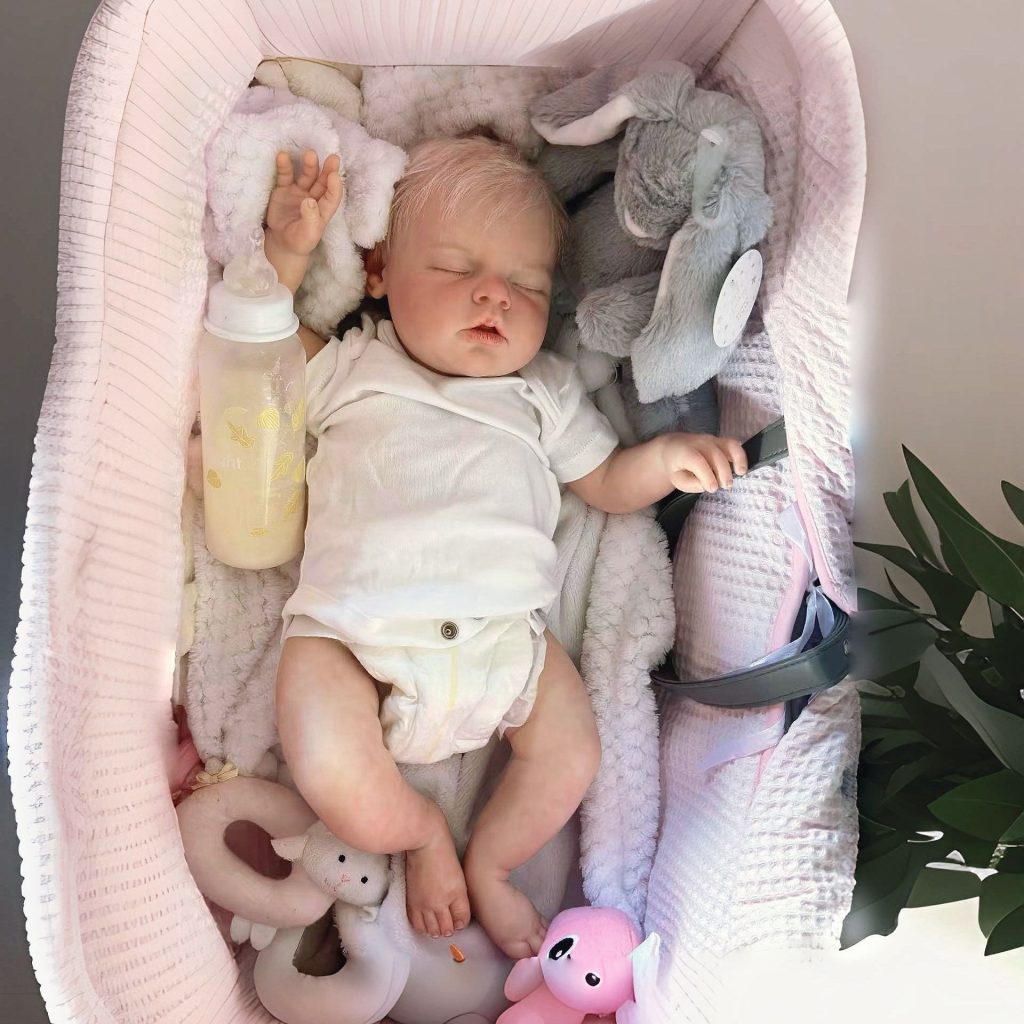
Why More Brands Are Switching to Full-Body Silicone
Many B2B buyers begin with partial silicone to test the market—but scale with full-body silicone.
Key reasons:
- Higher perceived value
- Stronger brand storytelling
- Better repeat customer rates
- Fewer quality disputes
- Clear premium positioning
Factories like SUEBAN, with in-house mold development and platinum silicone control, make this transition smoother by offering both structures under one production system, allowing brands to upgrade without changing suppliers.
Final Comparison Summary
Factor | Full-Body Silicone | Partial Silicone |
Realism | ⭐⭐⭐⭐⭐ | ⭐⭐⭐ |
Cost | Higher | Lower |
Durability | Excellent | Moderate |
Therapy Use | Ideal | Limited |
ODM/OEM Value | High | Medium |
Brand Scalability | Strong | Limited |
Conclusion
There is no universal “better” option—only the right structure for your business model.
However, for B2B buyers focused on premium positioning, therapy applications, or long-term brand growth, full-body silicone reborn dolls offer clear advantages in realism, durability, and customization potential.
As global demand continues shifting toward platinum silicone and functional realism, more brands are choosing full-body silicone as their core product line—using factories, not resellers, to secure quality and control.
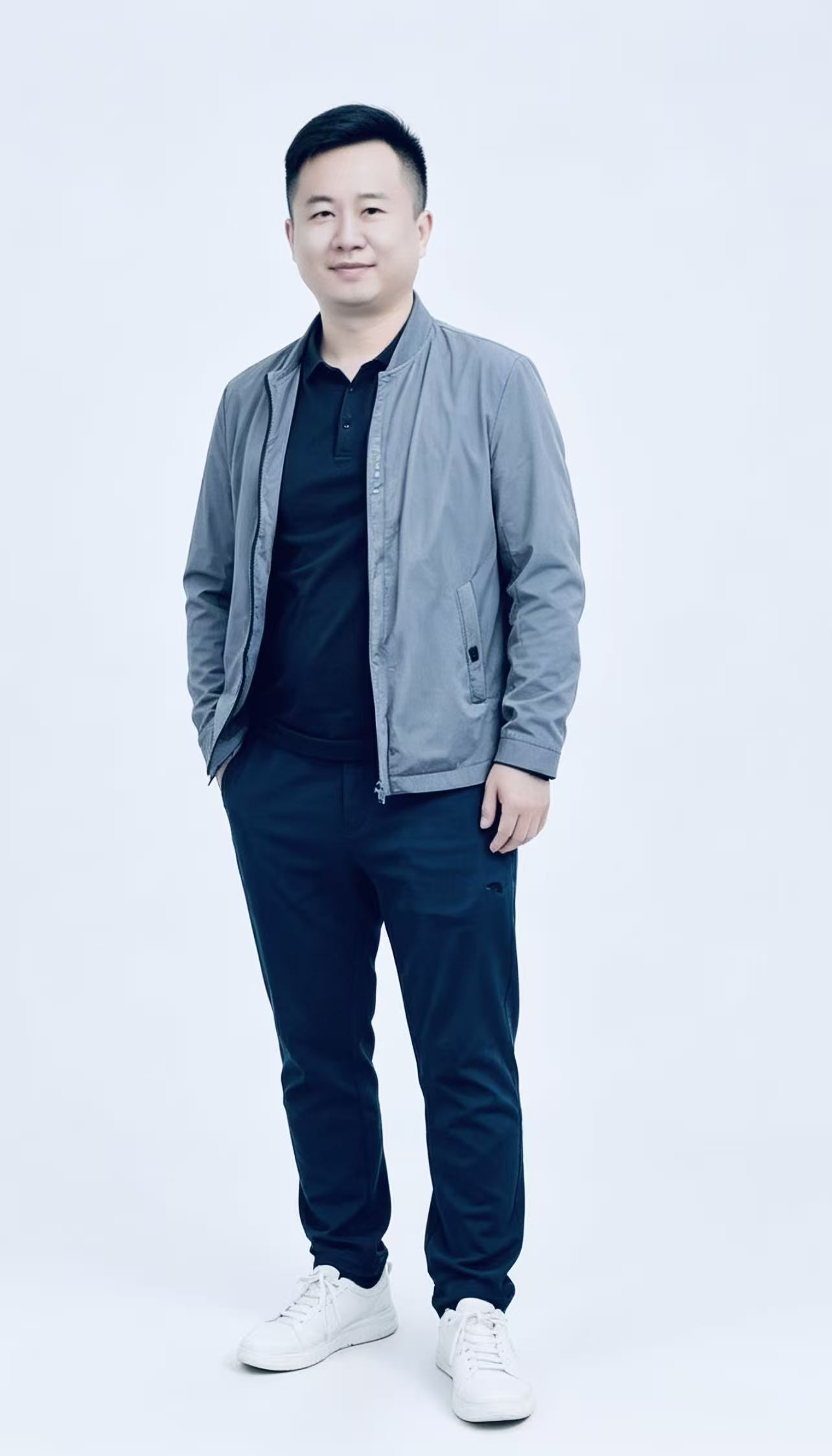
Owen is the second-generation founder of Sueban Group, a reborn doll manufacturer based in Guangdong, China. With over 20 years of family manufacturing heritage, Owen leads the company's B2B operations serving wholesalers, brands, and institutional buyers across 20+ countries.
Meet Owen →
 English
  Deutsch
  Français
  Español
  Italiano
  Nederlands