Most OEM projects don’t fail because factories can’t make good products.
They fail because people don’t understand each other.
If you’ve ever watched a “simple” OEM manufacturing project turn into endless samples, blown timelines, and awkward emails, you already know this: communication problems cause more OEM project failures than product quality ever does.
Specs that seemed “clear” turn out to be vague.
A tiny change isn’t documented—and suddenly 5,000 units are wrong.
Time zones, language barriers, and cultural differences turn quick questions into week‑long delays.
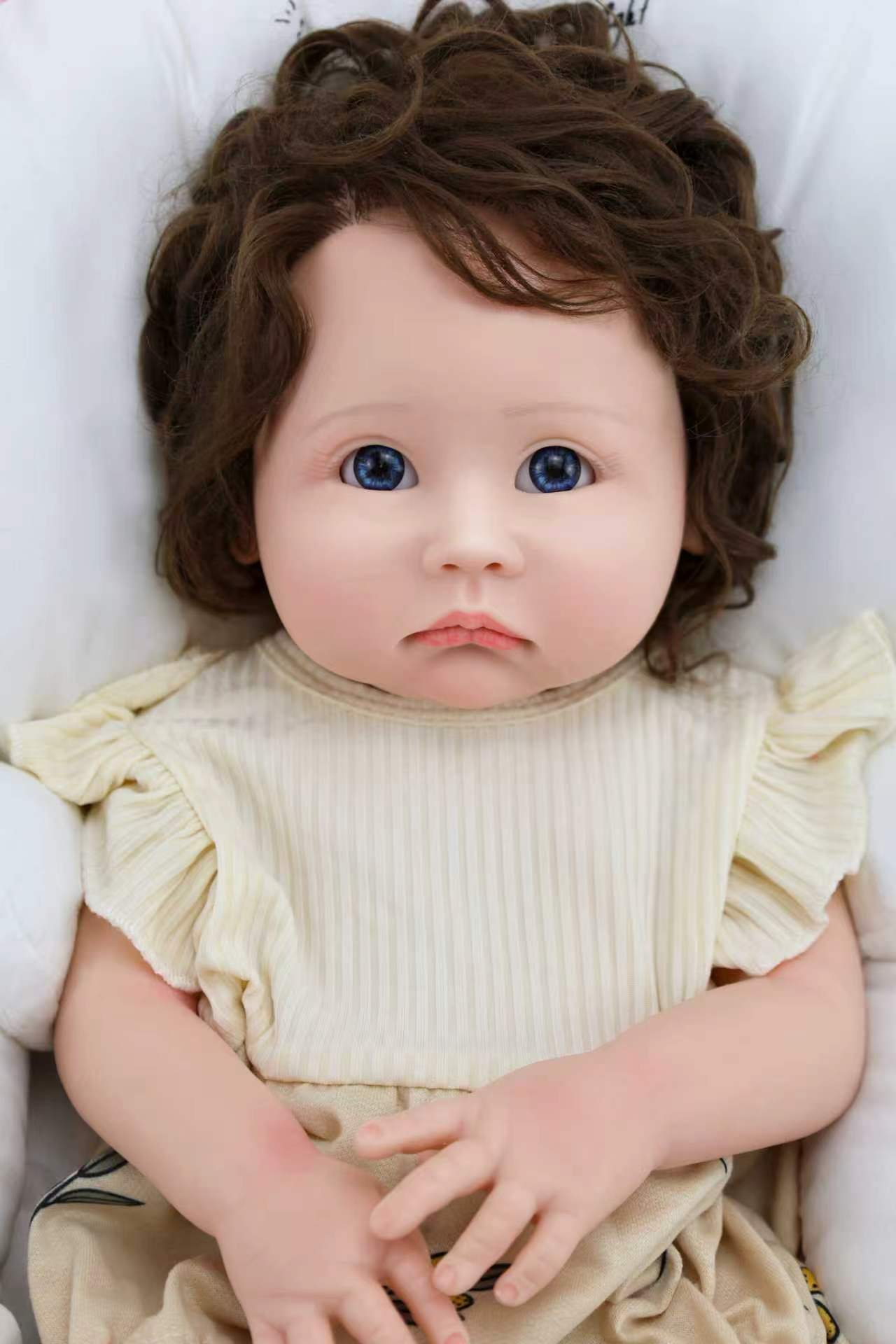
In industries like custom doll manufacturing et reborn doll OEM, where details (skin tone, hair rooting, painting, safety standards) make or break the product, even one misunderstood message can derail an entire launch.
In this post, you’ll see:
- Pourquoi miscommunication quietly destroys more OEM partnerships than actual product defects
- How unclear requirements, weak feedback loops, and poor documentation create “quality problems” that aren’t really quality problems
- The practical systems Groupe Sueban uses to keep OEM projects on track—and how you can apply the same principles to your own collaborations
If you’re tired of fixing issues that trace back to “we thought you meant…”, you’re in the right place.
Understanding OEM Project Failures
When OEM projects fall apart, it usually comes down to the same painful pattern: missed timelines, blown budgets, and products that don’t match what the client pictured. In my experience running OEM manufacturing, especially for OEM reborn dolls and custom reborn dolls, most “failures” aren’t about factories being unable to build quality products—they’re about the partnership breaking down long before the product ships.
From the outside, it’s easy to blame product quality: a doll’s skin tone is off, the hair isn’t the right fiber, or the weight and feel don’t match the original brief. But when we trace these OEM project challenges back, the root cause is usually communication in OEM manufacturing, not the factory’s capability. Specs weren’t detailed. Terms were assumed, not defined. One side said “soft vinyl,” the other heard “any vinyl.” The result looks like a quality problem, but it started as miscommunication in manufacturing.
That’s why communication problems cause more OEM project failures than product quality itself. Quality can be fixed with clear standards, rework, or upgraded materials. But once expectations are misaligned, trust drops, timelines slip, costs spike, and even a technically “good” product feels like a failure to the client. In OEM partnerships, especially across time zones and cultures, communication breakdowns in OEM are the real risk—and solving them is the only way to keep projects on time, on budget, and aligned with what the client actually wants.
Why Communication Problems Are the Biggest Culprit in OEM Projects
In OEM projects, especially custom and reborn doll manufacturing, most “failures” don’t start on the factory floor—they start in the inbox or on the call. Communication problems are what quietly derail timelines, blow up budgets, and damage relationships, even when the product quality itself is solid.
Misaligned Expectations Between Partners
Misaligned expectations are the number one OEM project challenge I see. Both sides think they’re aligned—but they’re not.
Common gaps:
- Different understanding of target price, MOQ, or delivery date
- Vague specs for skin tone, hair rooting, weight, or realism level in Poupées reborn OEM
- No clear rules for changes, samples, or rework
When this happens, one side feels “cheated” and the other feels “blamed,” even though the root problem was poor communication, not bad intentions.
Language and Cultural Barriers
Most OEM partnerships are cross-border, which means language and culture matter. Even small misunderstandings in emails or chat can completely change how a project is executed.
Typical issues:
- Direct vs. indirect communication styles
- “Yes” meaning “I hear you,” not “I can do exactly that”
- Different assumptions about holidays, overtime, or “urgent”
If you’re ordering poupons personnalisés reborn for the U.S. market, for example, you might say “very realistic,” but the factory might think of a different level of realism than you mean. That’s not a quality problem—it’s a translation problem.
Lack of Regular Updates and Feedback Loops
OEM projects need rhythm. When there’s no structured check-in, small issues grow into big failures.
What usually goes wrong:
- No weekly or bi-weekly progress reports
- Sample photos sent once, with no clear approval process
- Changes requested informally and then “forgotten” later
Without a feedback loop, you only find out something went wrong at the end—when it’s expensive and painful to fix.
Poor Documentation and Record-Keeping
In OEM manufacturing, if it isn’t written down, it doesn’t exist.
Risky habits:
- Relying on chat instead of formal POs and spec sheets
- No version control on drawings, color references, or packaging designs
- Verbal “OKs” on big changes like material swaps or feature cuts
For something detail-heavy like a GentleTouch 18-inch custom vinyl reborn doll with cloth body, you need specs locked in: vinyl type, paint style, softness, clothing, packaging, and compliance. Clear, written documentation protects both sides from “I thought you meant…” moments and keeps product quality consistent.
When communication is tight—expectations aligned, language clarified, updates regular, and docs clean—OEM project failure rates drop fast, and product quality naturally follows.
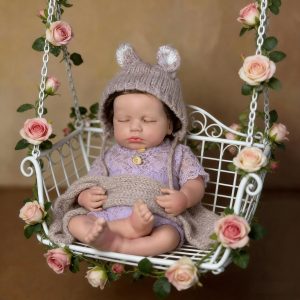
The Ripple Effects of Communication Failures in OEM Projects
When OEM communication breaks down, the damage goes way beyond one bad email. In real OEM project challenges, poor communication is what quietly drives project delays, higher costs, and frustrated clients—even when the factory’s technical ability and product quality are solid.
How Miscommunication Drives Delays and Extra Costs
In OEM manufacturing, every unclear message has a price tag. Common ripple effects:
- Project delays – Wrong specs, unclear feedback, or slow replies can push sampling and production back by weeks.
- Increased costs – Revisions, retooling, extra samples, and air freight to “fix it fast” all eat into your margins.
- Internal frustration – Your team wastes time double-checking things that should’ve been clear from day one.
This is why “communication in OEM manufacturing” is usually the real reason behind OEM project failure, not the factory’s machines or materials.
How Communication Failures Hurt Product Quality Indirectly
Most “quality problems” in OEM projects start as communication problems:
- Vague requirements → the factory “guesses”
- Missing reference photos → wrong colors, wrong finishes
- No clear tolerance or standard → “good enough” for the factory, but not for your brand
On paper it looks like a product quality issue, but the real cause is miscommunication in manufacturing, not lack of skill.
A Custom Doll OEM Project Gone Wrong
Here’s a simple example from the doll space.
A US brand orders poupons personnalisés reborn with these basic instructions: “realistic skin tone, soft body, not too heavy, suitable for kids.” No clear weight range, no detailed photos, no written approvals.
What goes wrong:
- The OEM assumes “realistic” means very heavy, like high-end collector dolls.
- They produce a run similar to a weighted platinum silicone reborn doll, great for adults but too heavy and pricey for kids.
- Shipping lands, the brand realizes the dolls don’t match their retail market.
- Now they’re stuck with:
- Extra freight and storage
- Discounted sell-through
- A frustrated buyer and confused customers
The factory can actually make accurate, kid-friendly options (like a lighter cloth-body reborn doll OEM style similar to this 22-inch cloth body reborn doll from our OEM factory), but the OEM partnership failed on communication, not capability.
Long-Term Impact on Brand Reputation and Trust
These communication breakdowns don’t just hurt one order—they hurt your brand and OEM relationships long term:
- Retailers start seeing your brand as “inconsistent”
- End customers lose trust after one or two disappointing products
- Internal teams start blaming “overseas OEM manufacturing” instead of fixing communication
- Future OEM partners may be more cautious, slower, and less flexible with you
In the US market, where reviews, returns, and social media move fast, OEM communication breakdowns are one of the quickest ways to damage your brand reputation—even when your Poupées reborn OEM or other custom products are technically well-made.
Why Product Quality Issues Are Often a Symptom, Not the Cause
In OEM projects, especially with Poupées reborn OEM and other custom toys, most “quality problems” start as communication problems. The factory usually builds exactly what was communicated—just not what the client thought they communicated.
How Quality Issues Grow Out of Miscommunication
A lot of “bad quality” complaints actually come from things like:
- Vague specs (no clear notes on skin tone, hair type, weight, or softness of the vinyl)
- Unclear safety requirements for the U.S. market (CPSIA, labeling, age grading)
- No agreement on acceptable tolerances (color shade, painting style, rooting density)
- Missing reference photos or samples for realism and finish
If you don’t define these upfront, the OEM partner makes their best guess. The result: dolls that technically meet the factory’s internal standards but completely miss your brand’s expectations.
For example, if you say you want a “realistic newborn look” but don’t share photos, paint details, and finish preferences, you might get a doll that feels generic or “off,” even when the workmanship is clean. That’s communication in OEM manufacturing, not just poor quality.
When Product Quality Is the Real Problem
There are cases where product quality vs communication is not the debate—the factory simply can’t reach the level you need:
- Outdated equipment or weak process control
- Inconsistent materials or unreliable sub-suppliers
- No real experience in poupons personnalisés reborn or high-detail painting
In those cases, even perfect communication won’t save the project. You’re dealing with a capability gap, not a misunderstanding. That’s why choosing a specialized partner matters. For example, a manufacturer already focused on realistic dolls, like those listed in the top reborn doll manufacturers overview, is usually better equipped than a general toy factory.
Fix Communication, Fix Most Quality Concerns
In my experience running OEM doll projects, once we tighten communication, most “quality issues” fade fast:
- Clear specs + reference images = consistent face painting and skin tone
- Signed-off samples = fewer surprises in mass production
- Documented revisions = no “I thought you meant…” at shipment time
When we work on reborn doll OEM solutions, we don’t just promise good quality; we engineer quality through communication:
- Detailed spec sheets and checklists
- Visual confirmations for every key detail
- Step-by-step sample approval before production
In short: if you fix the way you and your OEM partner talk, share, and confirm details, you fix most of the quality pain before it ever hits your U.S. customers.
How Groupe Sueban Overcomes Communication Challenges in OEM Projects
When it comes to OEM project challenges, I treat communication the same way I treat product quality: non‑negotiable. At Sueban Group, especially in custom and reborn doll manufacturing, we’ve built our process around stopping miscommunication in OEM manufacturing before it ever slows you down.
Implementing Clear Communication Protocols
I don’t leave communication to “we’ll figure it out later.” Every OEM project starts with:
- Defined scope and specs in plain English, with photos, drawings, and reference samples
- Single point of contact so you always know who’s responsible
- Stage gates (design, sample, production, shipment) with written approval at each step
For example, when we develop OEM reborn dolls clothing sets, every fabric choice, size range, and accessory is locked in writing before we move forward, just like we do with our reborn doll clothing set OEM manufacturing projects.
Leveraging Technology for Seamless Collaboration
To avoid classic OEM project failure reasons like delays and last‑minute surprises, I rely heavily on simple, accessible tools:
- Shared project boards (tasks, deadlines, owners)
- Photo and video updates from sampling and production lines
- Digital proof sign‑offs for colors, molds, face paint, and packaging
For many U.S. partners, real‑time updates on things like 12–18 inch reborn baby bathrobe and hooded designs through tools backed by clear visuals—similar to how we manage our 12–18 inch reborn baby bathrobe OEM projects—remove most of the guesswork.
Building Cross-Cultural Understanding
Most OEM partnership issues come from cultural gaps as much as language. I take time to:
- Explain how we work in China and what you can expect in the U.S. time zone
- Use simple, direct language—no heavy jargon, no vague terms
- Clarify things that are often assumed: holidays, lead times, negotiation norms
This kind of cross‑cultural communication in OEM manufacturing keeps both sides aligned and prevents those “we never talked about that” moments.
Prioritizing Transparency and Feedback
I’d rather over‑share than have you feel in the dark. To prevent communication breakdowns in OEM projects, I:
- Call out risks early (tight deadlines, complex molds, special finishes)
- Share both good and bad news as soon as it happens
- Ask for feedback after each milestone and adjust fast
That transparency keeps OEM collaboration strategies honest and reduces OEM manufacturing risks. In the long run, it protects your brand, your timelines, and the trust behind every custom reborn doll or OEM reborn doll project we build together.
Actionable Tips To Prevent Communication Failures in Your OEM Projects
If you’re running OEM projects in the U.S. market, especially with custom or reborn dolls, you can’t afford miscommunication. Here’s how I keep OEM projects on track and avoid the usual communication traps.
1. Define Scope and Deliverables Upfront
Don’t start production until everyone is 100% clear on:
- Product specs: size, material (vinyl, silicone, cloth body), weight, skin tone, hair type, clothing, packaging.
- Quality standards: safety requirements, certifications, testing methods.
- Timeline & milestones: sample dates, production windows, shipping deadlines.
- Responsibility matrix: who approves what, and by when.
Put this into one master document and treat it as the single source of truth for the entire OEM project.
2. Use Visual Aids and Prototypes
Words alone cause OEM project failures. Visuals remove the guesswork:
- Share reference photos, sketches, and color charts.
- Use 3D mockups or quick handmade prototypes.
- Approve pre-production samples before mass production.
For example, when we develop poupons personnalisés reborn, we’ll often start from an existing design like our 18-inch vinyl reborn doll with cloth body and then mark changes directly on photos or videos so nothing gets lost in translation.
3. Schedule Regular Check-Ins
OEM manufacturing runs smoother when communication is predictable, not reactive:
- Set weekly or bi-weekly calls during development and pre-production.
- Use simple progress reports (what’s done, what’s next, what’s blocked).
- Share photos and videos from the production line for transparency.
Regular updates keep you from discovering a big mistake at the end, when fixes are expensive.
4. Invest in Translation and Cultural Training
For global OEM partnerships, language and culture can silently derail projects:
- Use professional translators or bilingual project managers, not just auto-translation.
- Clarify time zones, holidays, and working styles upfront.
- Avoid slang or vague phrases; keep instructions short and specific.
A small investment in translation and cultural awareness saves serious money in rework and delays.
5. Document Every Agreement or Change
Most OEM project challenges come from “I thought we agreed…” moments. Avoid that:
- Confirm decisions in email or shared docs right after calls.
- Track change requests with version numbers and dates.
- Save all approvals (artwork, samples, packaging) in one shared folder.
If a client wants to switch from a cloth body to full silicone, or change skin tone on a custom reborn doll, it gets logged, priced, dated, and confirmed before we move.
You don’t need complex systems to fix communication in OEM manufacturing—just clear scope, visuals, regular check-ins, proper translation, and disciplined documentation. Do these consistently, and you’ll prevent most OEM project delays and miscommunication-related failures before they start.

Owen est le fondateur de deuxième génération du Sueban Group, un fabricant de poupées reborn basé dans le Guangdong, en Chine. Fort de plus de 20 ans d'héritage familial dans la fabrication, Owen dirige les opérations B2B de l'entreprise, servant des grossistes, des marques et des acheteurs institutionnels dans plus de 20 pays.
Rencontrez Owen
 English
  Deutsch
  Français
  Español
  Italiano
  Nederlands