Families and care staff often ask the same question: how can nursing homes help residents feel calmer, safer, and more comfortable without relying only on medication?
That question is one reason more facilities are investing in sensory therapy solutions.
Across the U.S., memory care centers and assisted living facilities are adding therapy dolls, weighted blankets, tactile products, and other calming tools into daily care routines. These products are no longer viewed as optional extras. For many care teams, they have become part of practical dementia support.
For residents living with Alzheimer’s or cognitive decline, even small sensory experiences can make daily routines feel less stressful and more familiar.
What Sensory Therapy Means in Elder Care
Sensory therapy uses touch, sound, texture, weight, light, and familiar objects to help residents feel emotionally grounded.
In memory care settings, overstimulation and confusion can quickly lead to anxiety or agitation. Loud hallways, unfamiliar routines, or physical discomfort often make symptoms worse.
That’s why many caregivers now use sensory-based support to create calmer daily environments.
Instead of focusing only on verbal communication, sensory therapy works through physical reassurance and familiar experiences.
Common goals include:
- Reducing anxiety and agitation
- Supporting emotional regulation
- Encouraging engagement
- Improving comfort during daily care
- Creating safer and calmer routines
For many residents, especially those with dementia, sensory support can sometimes succeed where direct verbal instruction cannot.
Why Nursing Homes Are Increasing Sensory Therapy Investment
One of the biggest reasons facilities are investing in sensory support is the shift toward non-pharmacological dementia care.
Many nursing homes are trying to reduce unnecessary medication use while still helping residents manage stress, confusion, wandering, or evening agitation.
Sensory tools offer a lower-risk option that can fit naturally into care routines.
Care staff also report that residents often become more cooperative during dressing, bathing, mealtimes, or transition periods when calming sensory products are introduced beforehand.
Common reasons facilities adopt sensory therapy:
| Care Need | Sensory Support Benefit |
|---|---|
| Anxiety and agitation | Creates calming physical reassurance |
| Sundowning behaviors | Helps reduce evening stress |
| Isolation and withdrawal | Encourages interaction and engagement |
| Staff workload | Makes hands-on care smoother |
| Family concerns | Improves emotional comfort and trust |
This is one reason sensory therapy for elderly residents is becoming more common across memory care environments in the U.S.
Most Common Sensory Therapy Products Used in Nursing Homes
Not every product works for every resident. The most effective sensory tools are usually the ones that feel simple, familiar, and easy to use.
Therapy Dolls for Seniors
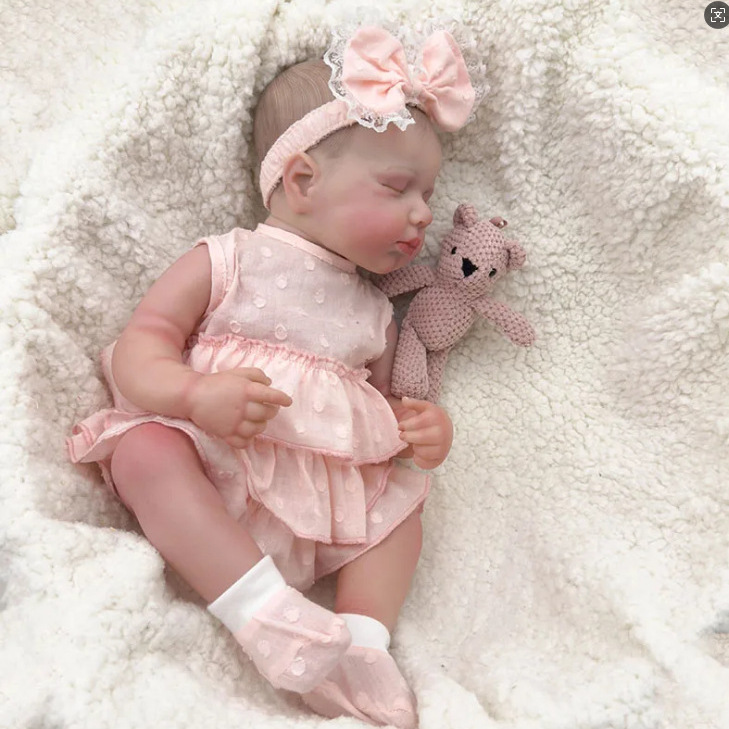
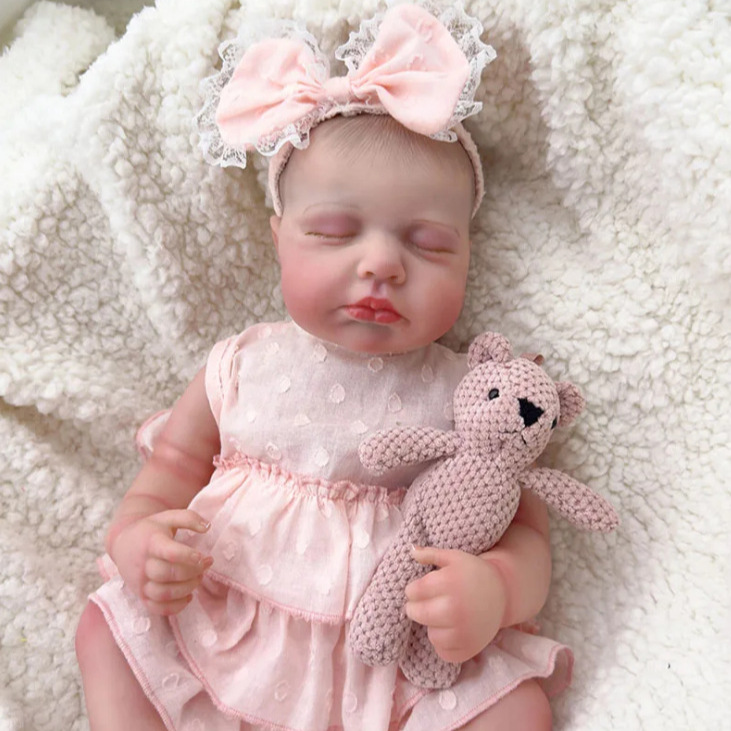
Many memory care residents respond positively to lifelike therapy dolls because they encourage nurturing behavior and emotional connection.
Holding a doll can provide comfort during periods of stress, loneliness, or confusion.
Some caregivers notice residents becoming calmer during difficult parts of the day, especially late afternoon periods associated with sundowning.
For facilities looking into therapeutic doll use, you can internally link here: therapeutic reborn dolls.
Weighted Blankets and Lap Pads
Weighted comfort products provide gentle pressure that may help residents feel more grounded and secure.
These products are commonly used for:
- Restlessness
- Anxiety
- Sleep difficulties
- Transition periods
- Quiet-time routines
Unlike highly stimulating activities, weighted products work quietly in the background and are easy for staff to incorporate into care routines.
Bold keywords to keep:
- weighted blankets for dementia
- sensory support products
- comfort tools for seniors
Tactile and Sensory Support Items
Soft textures, textured fabrics, sensory cushions, and fidget tools are frequently used in dementia support programs.
These products help residents stay engaged without overwhelming them.
Facilities often use them during:
- waiting periods
- quiet activities
- therapy sessions
- family visits
- bedside care
How Sensory Therapy Helps Staff and Families
Sensory therapy does not only benefit residents.
It can also reduce stress for caregivers and improve communication with families.
When residents feel calmer, care routines often become more manageable. Staff may experience:
- fewer emotional escalations
- smoother transitions
- improved cooperation during care
- less pressure during busy shifts
Families also tend to feel more confident when they see personalized comfort-focused care instead of medication-heavy approaches.
This is especially important in modern elder care, where families increasingly expect emotional support alongside medical support.
Industry Trends Driving Sensory Therapy Growth
Several long-term trends are pushing nursing homes toward sensory-based care solutions.
Aging Population
The number of older adults requiring memory care continues to rise across the United States.
As dementia diagnoses increase, facilities are looking for practical ways to improve quality of life without increasing medication dependency.
Focus on Personalized Care
Modern elder care is shifting toward individualized support.
Residents respond differently to sound, texture, lighting, and touch. Facilities now recognize that personalized sensory routines often produce better results than one-size-fits-all activity programs.
Growing Awareness of Non-Drug Support
Care providers are also becoming more aware of non-pharmacological approaches for:
- agitation management
- anxiety reduction
- emotional regulation
- cognitive engagement
Sensory therapy fits naturally into this movement.
Choosing the Right Sensory Products for Nursing Homes
For nursing homes, durability and safety matter just as much as comfort.
Products used in care facilities need to withstand repeated daily use while remaining easy to clean and maintain.
When selecting sensory support products, facilities often look for:
- soft but durable materials
- easy sanitization
- realistic textures
- safe weight distribution
- age-appropriate appearance
- calming visual design
For example, facilities using reborn dolls for dementia support often prefer realistic facial features and soft body weight because they create a more natural emotional response.
Why More Facilities Are Adopting Sensory-Based Care
The biggest reason sensory therapy continues growing is simple: residents respond to it.
Care teams are seeing practical improvements in daily routines, emotional regulation, and overall comfort.
In many cases, these products help create calmer environments not only for residents, but for staff and visiting families as well.
As elder care continues evolving in 2026, sensory therapy is becoming less of a niche solution and more of a standard part of modern memory care support.
Tabla de contenido

Owen es el fundador de segunda generación de Sueban Group, un fabricante de muñecas reborn con sede en Guangdong, China. Con más de 20 años de herencia familiar en manufactura, Owen lidera las operaciones B2B de la empresa, atendiendo a mayoristas, marcas y compradores institucionales en más de 20 países.
Conoce a Owen
 English
  Deutsch
  Français
  Español
  Italiano
  Nederlands