MOQ misunderstandings are a hidden problem that often goes unnoticed—until reborn doll production slips, shipments get pushed back, and customers ask, “Where’s my order?”
Minimum Order Quantity (MOQ) isn’t just a number on a quote. For reborn baby dolls, it can impact lead times, unit cost, inventory, and cash flow. When buyers and suppliers aren’t aligned on MOQ—per color, size, SKU, or shipment—delays, rushed decisions, and extra costs almost always follow.
At Sueban Group, we help U.S. brands clarify MOQ upfront, communicate clearly with factories, and keep reborn baby sourcing timelines on track.
What Is MOQ and Why It Matters
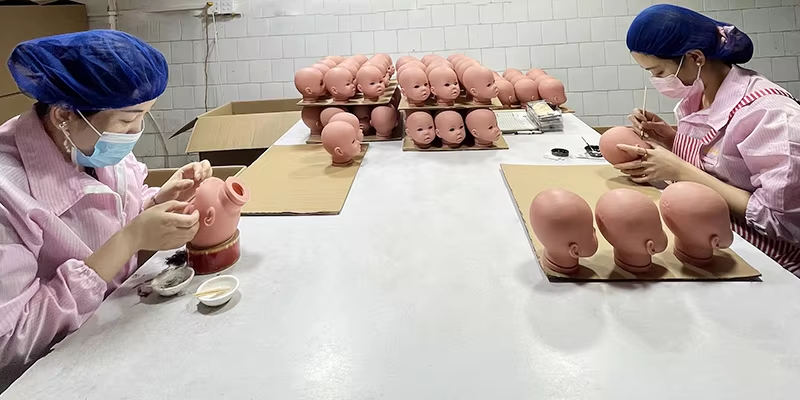
MOQ (Minimum Order Quantity) is the smallest number of units a supplier will produce in a single order. It exists mainly for cost efficiency—covering:
- Raw material purchases
- Machine setup and labor
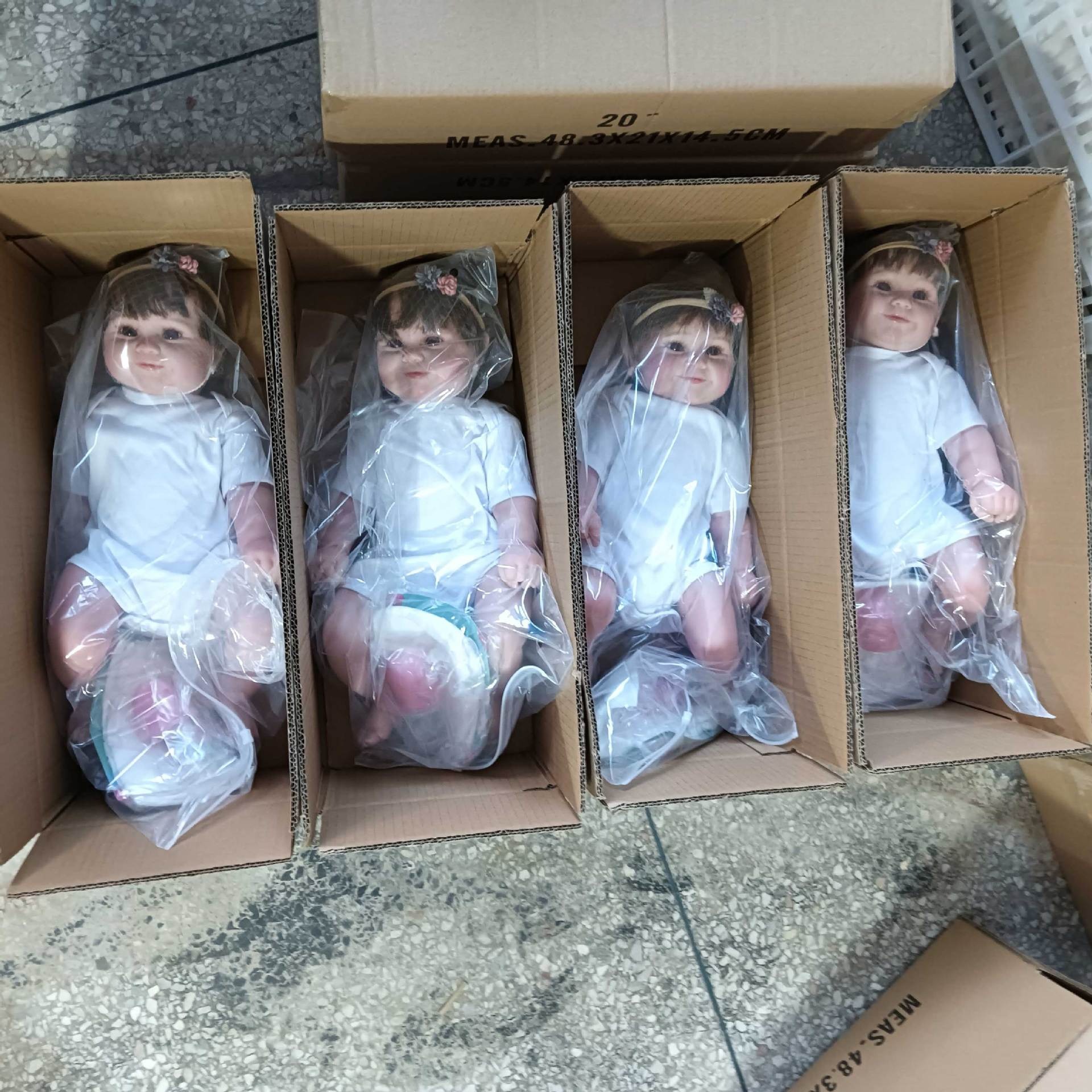
- Packaging and quality control
- Factory overhead
Producing below MOQ can make a supplier lose money. Proper MOQ protects their margins and keeps your unit cost reasonable.
MOQ Varies by Industry
- Apparel: MOQs per style, color, and size (e.g., 300 pcs per color)
- Electronics: Higher MOQs due to components, tooling, and certifications
- Bulk goods: Large MOQs for packaging runs and pallet loads
Misunderstandings are especially common for niche products like reborn dolls. For tips on navigating MOQ in niche products, see How to Price Reborn Dolls for Wholesale and Retail.
Common Causes of MOQ Delays
- Misinterpreting supplier MOQ policies
- Some factories treat MOQ as non-negotiable. Others have tiered MOQs. Assuming flexibility can lead to delays.
- Product variations and hidden MOQ rules
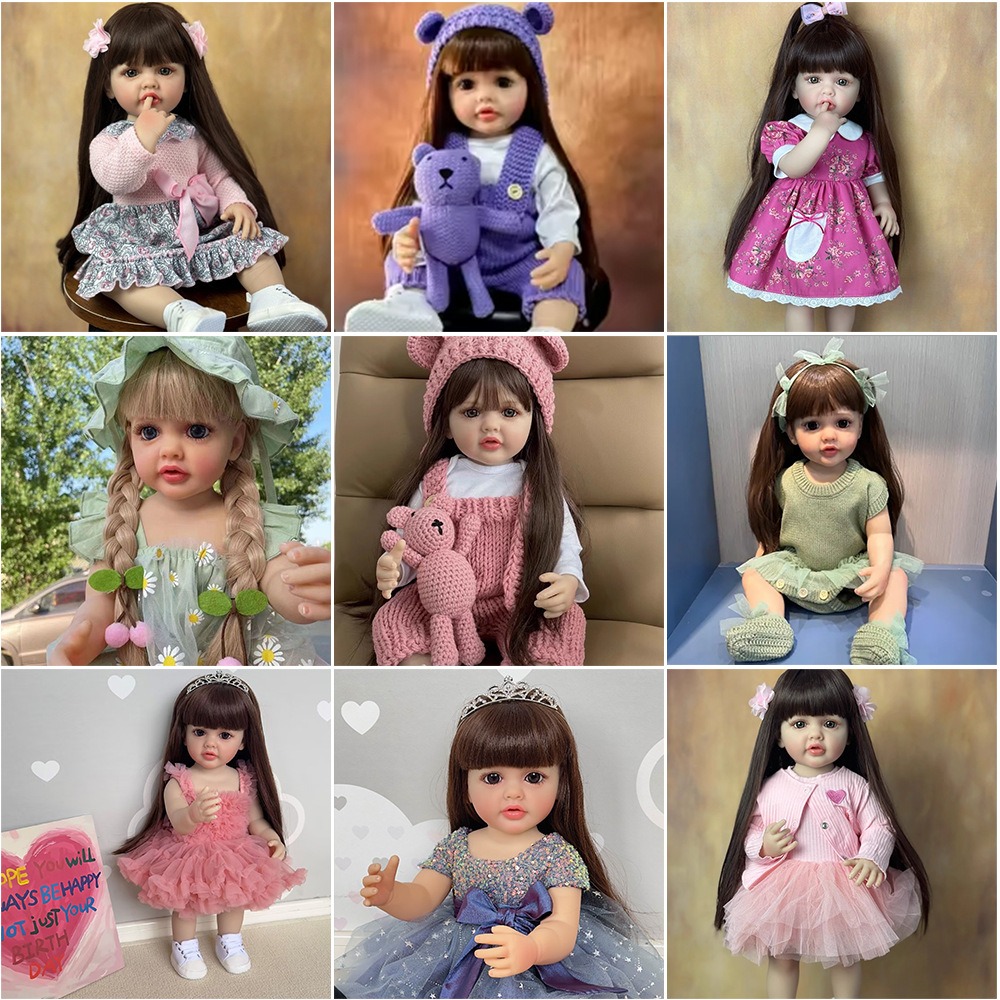
- MOQs often apply per color, size, or style. For example, each design of an 18-inch vinyl reborn doll may have a separate MOQ.
- Communication and cultural gaps
- Language and cultural differences can create misalignment. Without written confirmation, your order may stall.
- Underestimating lead times
- Low MOQs or special customizations can add weeks to production.
A real-world example: a U.S. client assumed a supplier’s 500-unit MOQ applied to all styles collectively. In fact, each design required 200 units, leading to a three-week delay before production could start. Clear upfront MOQ management avoids these issues.
How MOQ Misunderstandings Affect Your Supply Chain
- Production delays: Orders below MOQ may be postponed or split into later slots.
- Shipping issues: Partial shipments or underfilled containers increase freight costs.
- Inventory bottlenecks: Overstock or stockouts tie up cash and disrupt sales.
- Financial strain: Rush fees or air freight to meet timelines cut into margins.
- Customer dissatisfaction: Late deliveries, backorders, and damaged trust harm your brand reputation.
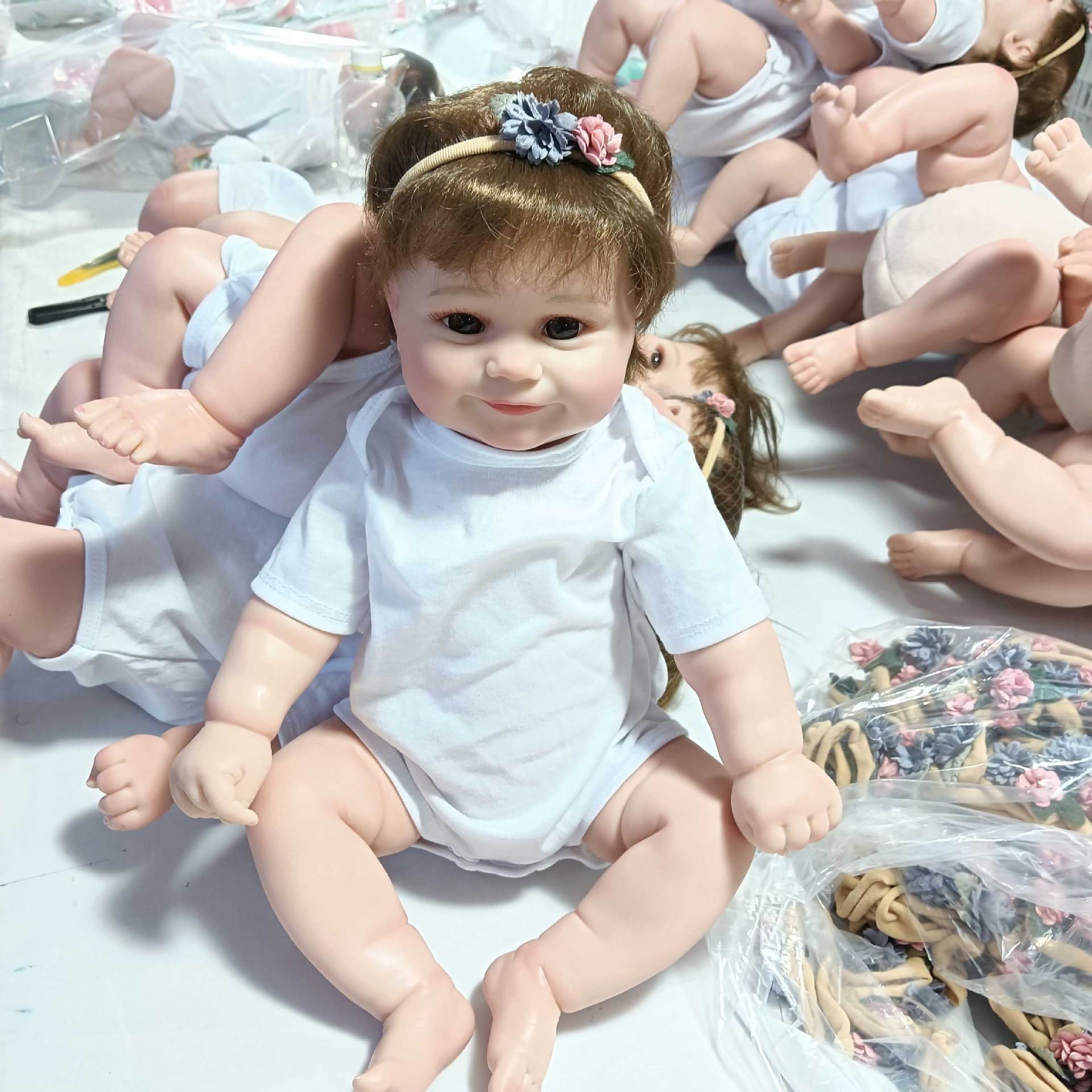
For niche products like collectible silicone reborn dolls, these delays are especially costly.
Sueban Group Solutions for MOQ Challenges
At Sueban Group, we manage MOQ clarity to avoid supply chain disruptions:
- Clarify MOQ requirements per SKU, color, size, or design
- Align production, shipping, and inventory plans with MOQ and cash flow
- Handle supplier communication to prevent misunderstandings before production
We also integrate MOQ planning into sourcing for U.S. businesses of all sizes—from small startups to established retailers.
Tips to Avoid MOQ Misunderstandings
- Do supplier homework: Confirm MOQ per variant and price breaks.
- Put terms in writing: Document MOQ, lead times, pricing, and reorder rules.
- Use tech or third-party help: Shared documents and sourcing partners bridge language/time gaps.
- Align inventory planning with MOQ: Forecast sales and order cycles to avoid overstock or stockouts.
Case in point: a U.S. retailer ordering collectible silicone reborn dolls avoided delays by combining SKUs to meet MOQ while keeping inventory aligned with sales. Result: smooth launch, no stockouts, and controlled cash flow.
Warum Partnering With Sueban Group Matters
We bring years of experience in:
- MOQ negotiation and supplier management
- Aligning production with cash flow and warehouse capacity
- Tailored MOQ solutions for new brands, growing e-commerce, or established retailers
For practical insights and guidance, see related articles on our industry insights hub.
Inhaltsverzeichnis

Owen ist der Gründer der Sueban Group in zweiter Generation, einem Hersteller von Reborn-Puppen mit Sitz in Guangdong, China. Mit über 20 Jahren familiärer Fertigungstradition leitet Owen die B2B-Geschäfte des Unternehmens, die Großhändler, Marken und institutionelle Käufer in über 20 Ländern beliefern.
Triff Owen
 English
  Deutsch
  Français
  Español
  Italiano
  Nederlands