
Every serious reborn baby dolls project starts with one structural decision that shapes everything after it: solid silicone or a cloth torso. That single choice dictates realism, weight, cleaning routine, price, and the buyer you’re building for. Whether you’re developing silicone reborn baby dolls, stocking Wiedergeborene Puppen, or planning individuell angepasste Reborn-Puppen, choosing the right construction is essential. Get it wrong and you either overshoot the client’s budget or undershoot their expectations for how the baby should feel in their arms.
This guide breaks down both construction categories the way a working artist, retailer, Reborn-Puppenhersteller, or supplier actually evaluates them — no hype, no generic filler. If you’re deciding what to make, stock, or buy, start here. We’ll compare the practical differences between Silikon-Rebornbabys and cloth-torso designs, helping brands and buyers make a more informed choice whether they work with a reborn doll factory in China, a supplier in the UK, or a manufacturer in the USA.
What “Full Silicone” and “Cloth Body” Actually Mean
Before comparing durability or cost, it helps to define the two dominant construction categories precisely, because “silicone doll” gets used loosely across the market and creates buyer confusion.
Full Silicone Construction
A full silicone body is molded entirely from platinum-cure silicone — head, torso, and limbs as one material system, sometimes assembled as silicone limbs joined to a silicone torso. There is no fabric core. This construction is widely used for premium silicone reborn baby dolls and is a key choice for brands looking for a highly realistic, lifelike feel.
The platinum-versus-tin-cure distinction matters enormously here. Platinum-cure (addition-cure) silicone resists yellowing, holds fine detail, and stays color-stable for years. Tin-cure (condensation-cure) is cheaper but yellows over time and degrades faster. Reputable silicone reborn doll manufacturers and experienced artists work almost exclusively with platinum-cure silicone for a reason — it defines the premium tier of Silikon-Rebornbabys and is often the preferred material for individuell angepasste Reborn-Puppen.
For retailers, brands, and businesses working with a Wiedergeborene Puppen Lieferant oder reborn doll factory in China, understanding the silicone type is especially important when evaluating long-term quality, product positioning, and manufacturing consistency.
Cloth (Fabric) Body Construction
A cloth body pairs a vinyl or silicone head and limbs with a stuffed fabric torso. That torso is filled with poly-fil for softness and weighted with glass or steel beads to mimic newborn heft. The vinyl-head-on-cloth-body layout is the classic reborn standard — it’s what most collectors picture when they hear the term.
The limbs attach at the fabric via zip-tie, cable-tie, or hand-sewn flanges, and the weighting is distributed by the artist rather than being inherent to the material.
Why the Distinction Matters to Buyers and Artists
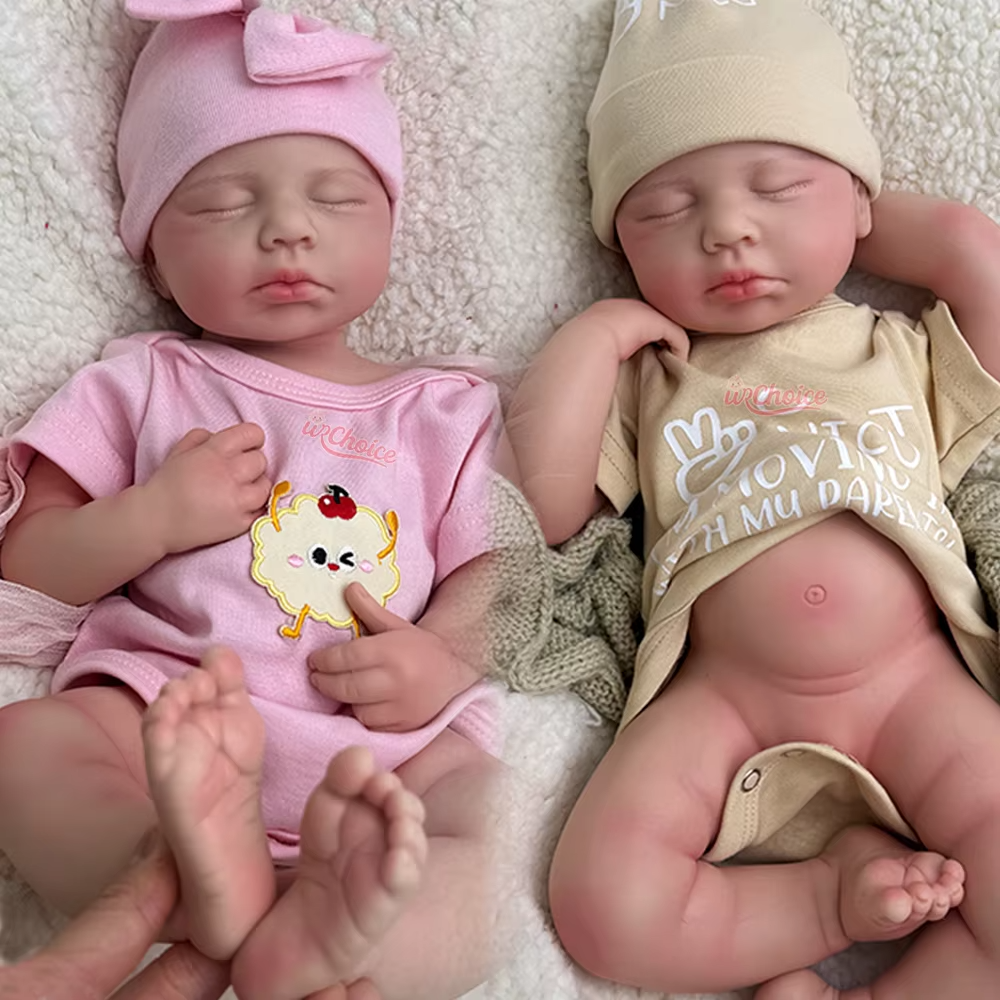
The decision comes down to four levers every buyer weighs: realism, handling and posability, longevity, und price. Full silicone maxes out realism and price; cloth bodies max out posability and affordability. Almost every purchase argument reduces to trading between these four.
Quick-Answer Comparison Table
Here’s the at-a-glance breakdown for anyone who needs the answer before the analysis.
Factor | Full Silicone | Cloth Body |
Realism (touch) | Highest | Moderate–High |
Haltbarkeit | High (tear-resistant platinum) | Material-dependent |
Weight feel | Heavy, dense | Adjustable, pliable |
Posability | Limited | Hoch |
Cleaning | Wipeable, washable | Spot-clean only |
Typical price band | $1,500–$8,000+ | $150–$1,200 |
That table captures the headline of this full silicone vs cloth body comparison. The rest of the guide explains the “why” behind each row so you can make the call for your specific project.
Realism and Sensory Experience
For most buyers, this is the whole game. How does the baby look and feel in the hand? The two construction types answer that question very differently.
Skin Feel and Surface Detail
Platinum silicone has a natural give that vinyl simply cannot replicate. Press a fingertip into a well-made silicone cheek and it yields, then rebounds — the same soft resistance you feel with a real infant. Vinyl feels firmer and cooler, and the cloth torso beneath it reads as fabric, not flesh.
Silicone also holds micro-detail differently. Capillary painting and translucent layering read as depth within the material because light penetrates the surface slightly, creating that subsurface glow. On vinyl, paint sits on top and is sealed under matte varnish, which looks stunning but reads as surface color rather than living tissue. Micro-rooting individual hairs into a silicone scalp is also possible and produces an unmatched hairline.
Weight and “Newborn Heft”
Full silicone carries its weight naturally. A full-term silicone baby typically lands between 4 and 7 pounds — dense, solid, and distributed exactly where a real infant’s mass would sit. Nothing shifts when you pick it up.
Cloth bodies achieve heft through engineered weighting. The artist places bead pouches at the bottom of the torso, in the limbs, and near the diaper area to mimic that “settles into your arms” feeling. Done well, it’s convincing. Done poorly, the weight bunches or shifts audibly, breaking the illusion instantly.
Posability and Cuddle Factor
This is where cloth bodies clearly win. A fabric torso flops, curls, and drapes over a shoulder like a sleeping newborn. You can dress it easily, pose it in a bouncer, and it cuddles naturally. Solid silicone is comparatively rigid — it holds one general shape and resists the loose, huggable positioning that therapy and comfort buyers specifically want.
Durability: Silicone Body Reborn Doll Durability vs Fabric Wear
Longevity is a real concern given these price points, and the two constructions age along completely different failure paths.
How Platinum Silicone Ages
Platinum silicone body reborn doll durability is genuinely high under normal handling. The material is tear-resistant, flexible, and washable, and quality platinum formulations resist UV yellowing far better than tin-cure. With reasonable care, a platinum silicone body holds its integrity and color for a decade or more.
The caveats are real, though. Silicone attracts dust and lint and can develop surface tackiness if a low-grade formulation or improper deadening layer was used. Tin-cure bodies — the ones that make silicone seem “cheap” — will yellow and stiffen over a few years. UV exposure accelerates degradation on any formulation, so display location matters.
Common Failure Points in Cloth Bodies
Cloth-body wear is almost always mechanical rather than material. The usual failure points:
- Seam stress— repeated posing pulls at torso seams, which can split over years.
- Limb attachment wear— zip-ties loosen and flange fabric frays where limbs meet the body.
- Bead migration— poorly contained glass beads shift or leak, ruining the weight balance.
- Stuffing compression— poly-fil flattens with handling, leaving the torso limp and thin.
The vinyl head and limbs themselves are quite durable; it’s the fabric core that ages.

Repairability and Long-Term Ownership
Cloth bodies are the more forgiving option for home repair and long-term maintenance. A collector can re-stuff, re-weight, or even swap the entire cloth body without touching the sculpt — many reborn doll manufacturers and artists provide replacement bodies for exactly this reason. That modularity is a genuine long-term ownership advantage, especially for collectors and retailers choosing Wiedergeborene Puppen for practical everyday use.
Silicone repairs are trickier. Minor tears can be patched with medical-grade silicone adhesive, but color-matching and paint restoration usually require the original artist or an experienced Silikon reborn dolls manufacturer. On resale, a full silicone reborn in excellent condition often holds value better precisely because it’s harder to replicate, while cloth-body reborn baby dolls depend heavily on the sculpt’s reputation and the paint’s condition.
For buyers working with a custom reborn dolls supplier, understanding these repair and maintenance differences can also help determine which construction is better suited to their target customers, product positioning, and long-term use.
Cleaning and Maintenance: How to Clean Silicone vs Cloth Body
Maintenance routines diverge sharply, and knowing how to clean silicone vs cloth body correctly is the difference between a doll that lasts and one you accidentally ruin.
Cleaning a Full Silicone Body
Full silicone is the more washable of the two, but “washable” doesn’t mean “bulletproof paint.” Follow a gentle routine:
- Wipe the surface with lukewarm water and a soft, lint-free cloth.
- For grime, use a tiny amount of mild, dye-free baby wash or a cleanser the artist recommends.
- Rinse gently and pat dry — never scrub sealed or painted areas.
- Never use alcohol, acetone, or solvent-based cleaners; they lift paint and can degrade the surface.
If the body has a paint-sealed matte finish, treat it as delicately as you would a cloth body’s rooted head, because aggressive rubbing removes paint layers on either construction.
Cleaning and Caring for a Cloth Body
Cloth bodies are spot-clean only. Immersion is risky because water soaks the poly-fil, invites mildew, and can rust or clump the weighting beads. To care for one:
- Spot-clean fabric with a barely-damp cloth and mild soap, then air dry fully.
- Keep water away from the vinyl-to-fabric seams.
- Protect rooted hair by cleaning around it, never soaking it, and detangling with a soft wig brush.
- Store flat or supported, away from direct sunlight and colored fabrics.
Products and Methods to Avoid on Both
- Harsh solvents— alcohol, acetone, nail polish remover, magic-eraser pads.
- Baby powder— it builds up in creases and turns gummy over time.
- Direct sunlight— fades paint and yellows silicone.
- Colored or dye-heavy fabrics— dark denim and red outfits transfer dye into both vinyl and silicone, and those stains are often permanent.
Cost, Sourcing, and Production Considerations
For artists and retailers, the construction choice is also a business decision — it changes materials, labor, skill barrier, and margin.
Material and Kit Costs
Blank silicone kits carry a steep entry cost. A quality platinum silicone kit commonly runs $600–$2,500 depending on artist reputation and size, before any paint or labor. Vinyl-and-cloth kits are far more accessible — a well-regarded vinyl kit typically sits in the $60–$300 range, with cloth bodies, beads, and mohair adding modest cost on top.
Then there’s overhead. Silicone consumes expensive platinum silicone by volume for pours and repairs, plus mold amortization if you sculpt your own. Cloth-body production keeps material spend low and predictable.
Production Time and Skill Barrier
Full silicone demands advanced technique. Cure times must be respected, de-molding is unforgiving, and paint adhesion on silicone requires specific silicone-compatible pigments and deadening layers — ordinary reborn paints won’t bond. A single mistake can waste a costly blank.
The cloth-body workflow is far more accessible. Genesis heat-set paints on vinyl are well documented, forgiving, and reversible with practice. Rooting, weighting, and assembly are learnable skills. This is why the vast majority of working reborn artists build on cloth bodies.
Margin and Market Positioning
Cloth-body reborns serve the broad hobby and gift market, typically retailing $150–$1,200 with healthy volume. Full silicone is a boutique, low-volume, high-ticket category aimed at serious collectors and specialty buyers, priced from roughly $1,500 into five figures for signature artists. Choose your construction to match the audience you actually intend to sell to — not the one you wish you had.
How to Choose: A Decision Framework
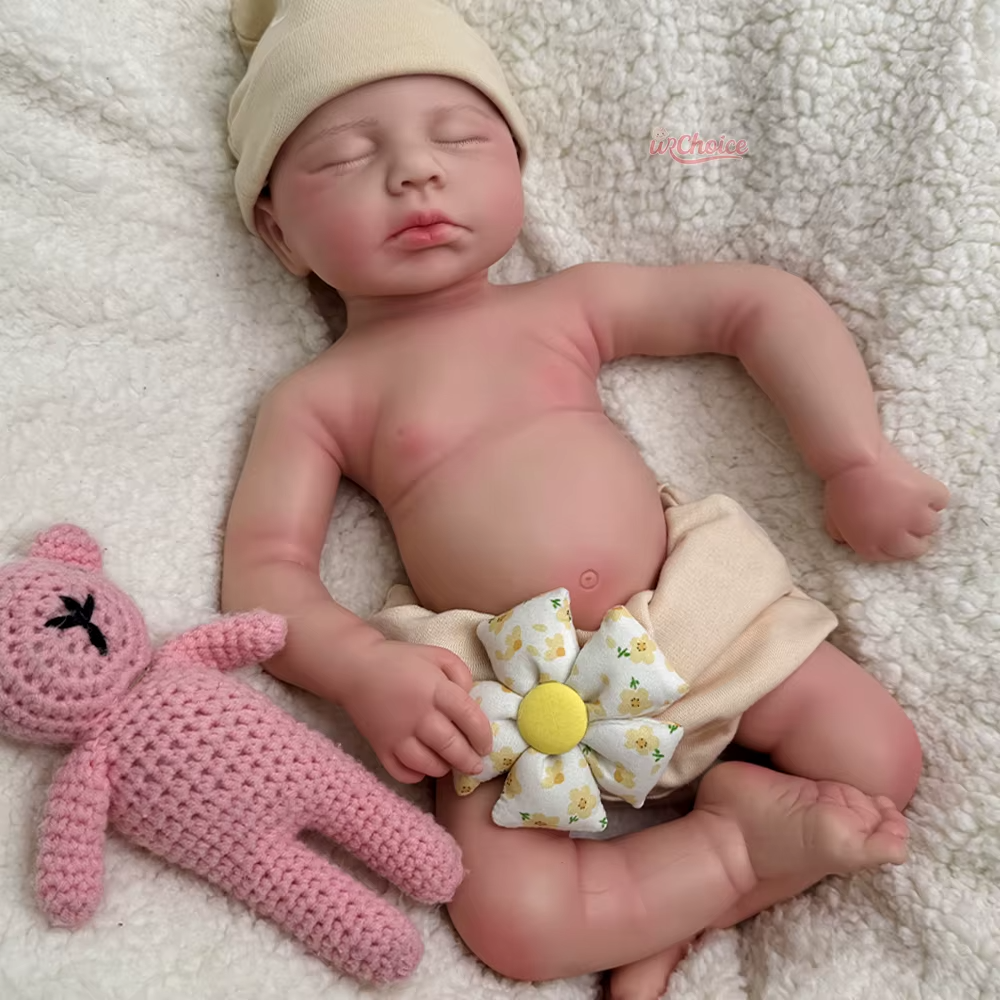
Match the construction to purpose, budget, and handling expectations. Use these profiles as a starting filter.
Choose Full Silicone If…
- You want maximum tactile and visual realism.
- The doll will be handled, washed, or displayed as a fine-art piece.
- The buyer has a premium budget and a collector’s mindset.
- Photorealism for portraiture or professional display is the goal.
Choose a Cloth Body If…
- The doll is for cuddling, dressing, or comfort/therapy use.
- Posability and huggability matter more than absolute skin realism.
- The budget is tighter and value-per-dollar is a priority.
- It’s a children-adjacent gift — with the caveat that reborns carry small parts and are collector items, not toys for very young children.
Hybrid Options Worth Considering
You don’t have to pick a pure camp. Silicone limbs on a cloth body deliver lifelike hands and feet while keeping the huggable torso and easy dressing. “Ecoflex” and soft-blend silicone variants soften the material for more cuddle-friendly full-body dolls. These hybrids often hit the sweet spot for buyers who want silicone realism at the extremities without full-silicone rigidity or cost.
Common Mistakes Artists and Buyers Make
These are the errors that show up again and again in finished work and buyer regret.
Misjudging Weighting Distribution
On a cloth body, everything depends on where the beads go. Dump the weight into one pouch and the torso sags unnaturally; overfill the limbs and the pose collapses. Proper distribution — heavier at the seat, balanced across limbs, contained in sewn compartments — is what makes a cloth baby feel real when lifted. Rushing this step is the single most common ruiner of cloth-body feel.
Using the Wrong Silicone Cure Type
Choosing tin-cure to save money is a decision you regret in a year. The body yellows, stiffens, and can develop surface tack. For any body meant to last, platinum-cure silicone is non-negotiable — the cost difference is small next to the ruined realism.
Over-Cleaning and Sealant Damage
Aggressive maintenance strips paint on both constructions. Scrubbing a matte-varnished vinyl head or a paint-sealed silicone surface removes the delicate layers that create realism. Clean gently, infrequently, and with dye-free products. When a doll looks dirty, it usually just needs a soft dusting, not a wash.
Häufig gestellte Fragen
Is a full silicone doll worth the higher price?
For buyers who prioritize touch realism, washability, and long-term color stability, yes. Full silicone delivers a sensory experience vinyl-on-cloth can’t match. For cuddling, dressing, and everyday handling, a well-made cloth body offers far better value.
Which body type is more realistic to hold?
Full silicone feels more realistic to the touch — soft, dense, and lifelike with natural weight. Cloth bodies feel more realistic to cuddle, because they drape and flop like a sleeping newborn. “Realistic” depends on whether you mean skin feel or huggable body language.
Can you give a full silicone body a bath?
Many are designed for gentle bathing, but confirm with the artist first. Use lukewarm water and mild, dye-free cleanser, avoid solvents entirely, and never bathe a doll with a fabric core. Even bathable silicone should be patted dry and kept out of direct sun.
How long does a cloth-body reborn last?
With careful handling, a cloth-body reborn can look great for 10 years or more. The vinyl outlasts the fabric, and cloth bodies can be re-stuffed, re-weighted, or replaced entirely, which extends the doll’s usable life well beyond the original torso.
Are silicone bodies safe for children?
Reborn and silicone art dolls are collector items, not certified children’s toys. They can include small parts, heavy weighting, and delicate paint. Older, supervised children may handle them, but they aren’t a substitute for age-graded toys for infants or toddlers.
The Verdict: Matching Construction to Purpose
Neither construction is objectively “better” — they solve different problems. Full silicone wins on tactile realism, washability, and premium longevity; cloth bodies win on posability, cuddle factor, affordability, and repairability. The right choice is the one that matches the doll’s purpose and the buyer’s expectations.
Use this simple matrix: if the priority is display-grade realism and a collector budget, build or buy full silicone. If it’s cuddle, comfort, dressing, and value, choose a cloth body. If you want the best of both, reach for a hybrid — silicone limbs on a cloth torso. Decide with the four levers in mind — realism, handling, longevity, price — and the construction question answers itself.

Owen ist der Gründer der Sueban Group in zweiter Generation, einem Hersteller von Reborn-Puppen mit Sitz in Guangdong, China. Mit über 20 Jahren familiärer Fertigungstradition leitet Owen die B2B-Geschäfte des Unternehmens, die Großhändler, Marken und institutionelle Käufer in über 20 Ländern beliefern.
Triff Owen
 English
  Deutsch
  Français
  Español
  Italiano
  Nederlands